






























































































Faith Home has helped me a lot, the Doctors and therapists are wonderful. I highly recommend them to anyone with addictive and or mental issues. They are very caring. Thank you Faith Home for saving my life!
About Faith Home Christian Recovery
Since the facility’s services are offered at no cost to the residents, insurance is not necessary or accepted.
The goal of this program is to offer eight weeks of residential treatment to provide recovery, restoration, and redemption to those struggling with a lifetime of addiction. Since this treatment facility isn’t a medical one, residents are encouraged to seek out detox services prior to being accepted into the program.
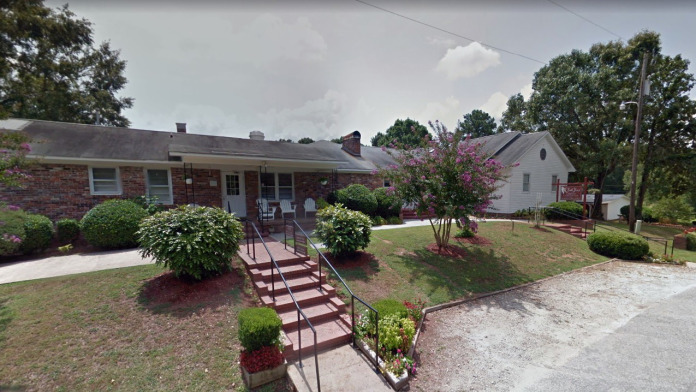
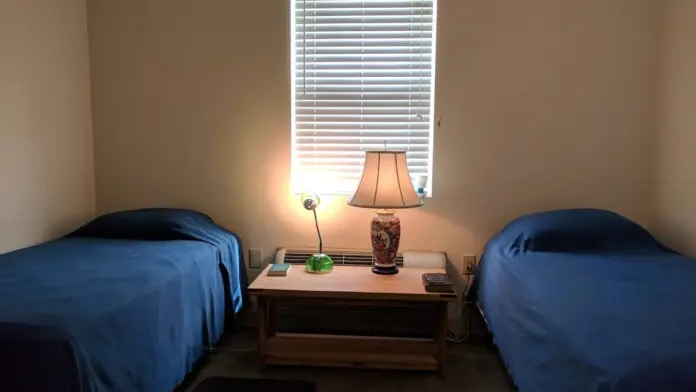
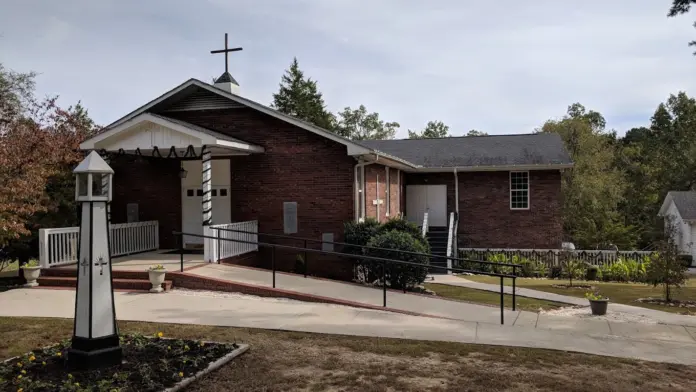
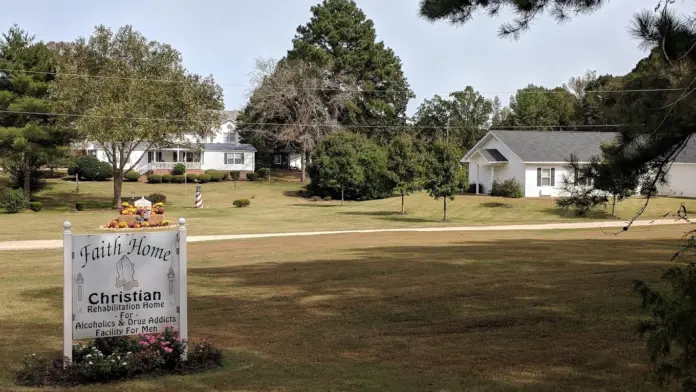
This clinic was established in 1966. Today, it provides inpatient residential recovery services. There are 135 residential beds available at the facility, and the campus is situated on 67-acres. They have exercise, sports programs, and nature hikes available for their residents.
The program is faith-based, so you’ll participate in Bible studies and daily prayer sessions. There are also traditional approaches like recovery meetings and AA groups. A choir outreach program is available.
One notable aspect of this facility is that its new Executive Director, James Gowan, knows first hand exactly what it takes to recover from addiction. He was a resident at the Faith Home in June of 2012. He was so inspired by the grace and help he received during treatment that he decided to work ministry jobs in the clinic once he graduated the program and became dedicated to a new sober life in Jesus. His years of dedication and ministry led to a unanimous vote to make him Executive Director in October of 2022.
Facility Overview
 135
135 Number of Available Beds
Latest Reviews
Best rehab I’ve ever been to it really helped me change my life
You allowed for me and her kids to have amanda garrett to have my daughter with us from 2-21 till 7-4. Mandy done so good she had her demons but she was allowed to to fight them as much as she could. We lost her 7-4-2026 and our world is so dark but we will see the light again.
Faith home is an amazing place full of God's love and people who will support and help you through your recovery. I just graduated from there and my life is forever changed for the best! The loving friendships ive made there also, was a plus. It gave my life scruture and purpose, it might have been hard for some of the girls I was around but if you REALLY want it, its so worth it. I'll forever love faith home!!!

Rehab Score
 Our Methodology
Scoring is assigned by a proprietary system which helps surface key metrics that determine quality. The 10-point scale factors in categories such as operations, customer satisfaction, and trust metrics. Read Full Methodology

7.1 / 10
Gallery


Accepted Insurance
Other Forms of Payment
Self-pay involves paying for treatment out of your own pocket. You can use savings or credit, get a personal loan, or receive help from family and friends to fund your treatment. If you don't have insurance or your insurance plan doesn't cover a specific program, self-pay can help ensure you still get the care you need.
Private insurance refers to any kind of healthcare coverage that isn't from the state or federal government. This includes individual and family plans offered by an employer or purchased from the Insurance Marketplace. Every plan will have different requirements and out of pocket costs so be sure to get the full details before you start treatment.
Addiction Treatments
Levels of Care
Residential treatment programs are those that offer housing and meals in addition to substance abuse treatment. Rehab facilities that offer residential treatment allow patients to focus solely on recovery, in an environment totally separate from their lives. Some rehab centers specialize in short-term residential treatment (a few days to a week or two), while others solely provide treatment on a long-term basis (several weeks to months). Some offer both, and tailor treatment to the patient's individual requirements.
12-step programs are addiction recovery models based on Alcoholics Anonymous (AA). A number of substance abuse programs (including some drug and alcohol rehab centers) use the 12 steps as a basis for treatment. Beginning steps involve admitting powerlessness over the addiction and creating a spiritual basis for recovery. Middle steps including making direct amends to those who've been hurt by the addiction, and the final step is to assist others in addiction recovery in the same way. 12-Step offshoots including Narcotics Anonymous (NA), Cocaine Anonymous (CA), Dual Recovery Anonymous (DRA), Sex and Love Addicts Anonymous (SLAA) and Gamblers Anonymous (GA).
Treatments
The goal of treatment for alcoholism is abstinence. Those with poor social support, poor motivation, or psychiatric disorders tend to relapse within a few years of treatment. For these people, success is measured by longer periods of abstinence, reduced use of alcohol, better health, and improved social functioning. Recovery and Maintenance are usually based on 12 step programs and AA meetings.
Choosing a drug rehab in South Carolina helps you overcome drug dependency, learn how to manage cravings, and obtain the tools needed to prevent relapse. This is accomplished through individualized treatment that addresses a full spectrum of physical, social, and emotional needs.
Substance rehabs focus on helping individuals recover from substance abuse, including alcohol and drug addiction (both illegal and prescription drugs). They often include the opportunity to engage in both individual as well as group therapy.
Programs
Adult rehab programs include therapies tailored to each client's specific needs, goals, and recovery progress. They are tailored to the specific challenges adult clients may face, including family and work pressures and commitments. From inpatient and residential treatment to various levels of outpatient services, there are many options available. Some facilities also help adults work through co-occurring conditions, like anxiety, that can accompany addiction.
Young adulthood can be an exciting, yet difficult, time of transition. Individuals in their late teens to mid-20s face unique stressors related to school, jobs, families, and social circles, which can lead to a rise in substance use. Rehab centers with dedicated young adult programs will include activities and amenities that cater to this age group, with an emphasis on specialized counseling, peer socialization, and ongoing aftercare.
Clinical Services
Experiential therapy is a form of therapy in which clients are encouraged to surface and work through subconscious issues by engaging in real-time experiences. Experiential therapy departs from traditional talk therapy by involving the body, and having clients engage in activities, movements, and physical and emotional expression. This can involve role-play or using props (which can include other people). Experiential therapy can help people process trauma, memories, and emotion quickly, deeply, and in a lasting fashion, leading to substantial and impactful healing.
Research clearly demonstrates that recovery is far more successful and sustainable when loved ones like family members participate in rehab and substance abuse treatment. Genetic factors may be at play when it comes to drug and alcohol addiction, as well as mental health issues. Family dynamics often play a critical role in addiction triggers, and if properly educated, family members can be a strong source of support when it comes to rehabilitation.
Fitness therapy blends exercise with psychotherapy for a fun, inspiring, and effective way of treating addiction and other issues. By incorporating movement into counseling sessions, clients become more empowered, motivated, and goal-oriented, all while strengthening their bodies and becoming more flexible. Fitness Therapy is usually used to complement a course of treatment (inpatient or outpatient) to make it even more successful. Increasing the connection between a patient’s mind and body helps both with healing as well as in creating new, healthy habits.
Group therapy is any therapeutic work that happens in a group (not one-on-one). There are a number of different group therapy modalities, including support groups, experiential therapy, psycho-education, and more. Group therapy involves treatment as well as processing interaction between group members.
Life skills trainings involve all the skills a person must have in order to function successfully in the world. These include time management, career guidance, money management, and effective communication. Truly successful addiction recovery is based on the ability to not only live substance-free, but to thrive. Life skills teaches the practical necessities of functioning in society, which sets clients up for success in life, and therefore sobriety.
Recreational therapy (aka therapeutic recreation) uses creative and fun activities to help with addiction recovery. Recreational therapists lead patients in entertaining and engaging activities like sports or games; art (drawing, painting, sculpture); drama, music, and dance; and/or community outings (field trips) to improve patients' physical, social, and emotional well-being.
Amenities
-
 Private Setting
 -
 Hiking
 -
 Gym
Gym
Staff
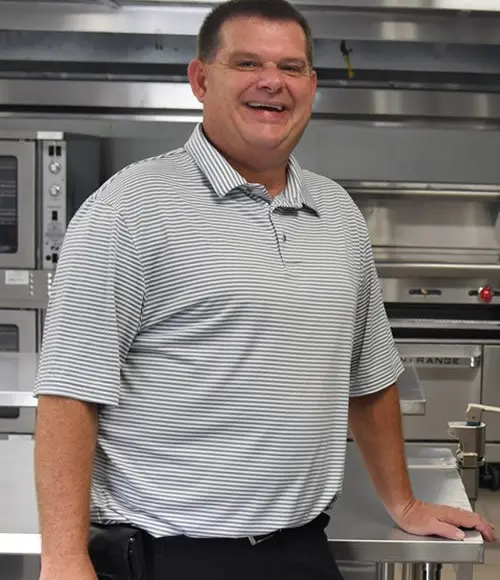
James Gowan
Executive Director
George Bley
President
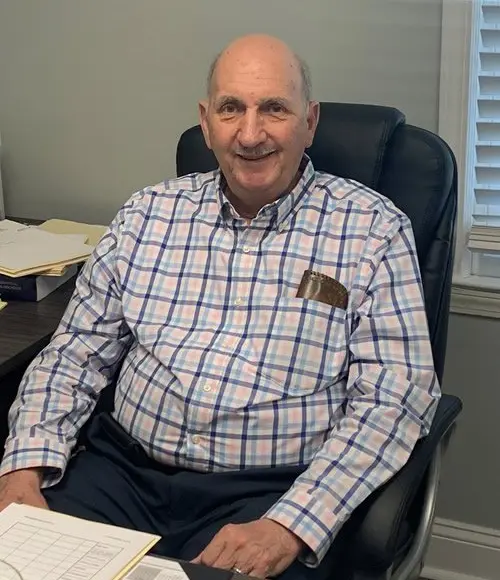
Tommy Kinard
Chief Addictions Counselor
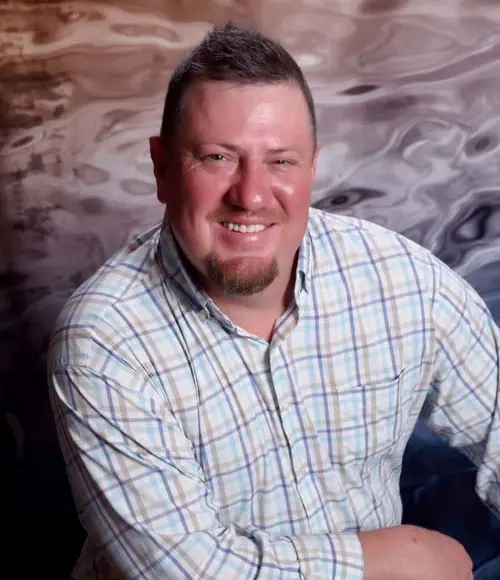
Brent McCurry
Operations Manager
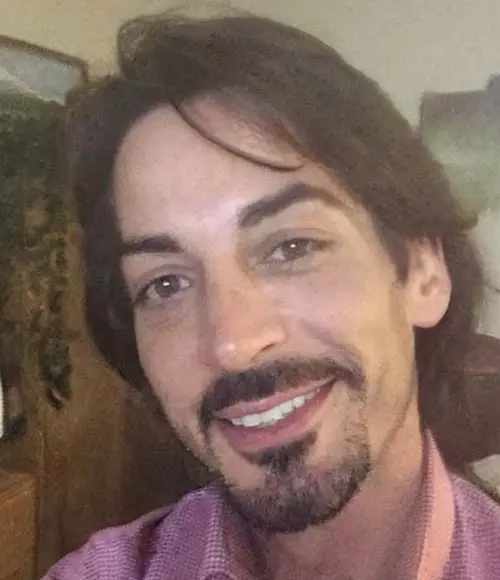
Bobby Joe Rowland
Program Manager

Keith Blanton
Spartanburg Superintendent & Chaplain
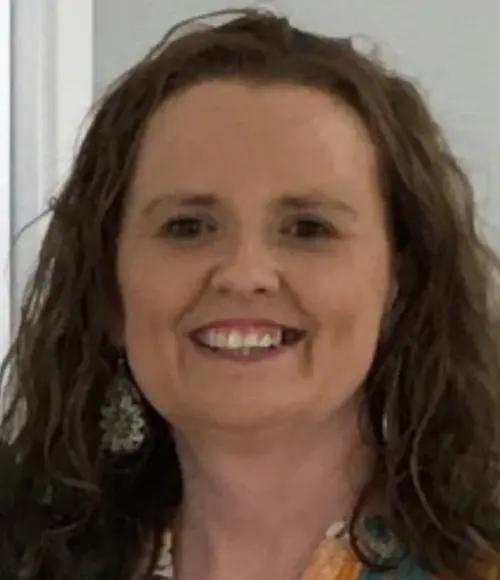
Marlene Gowan
Superintendent of Cafes’
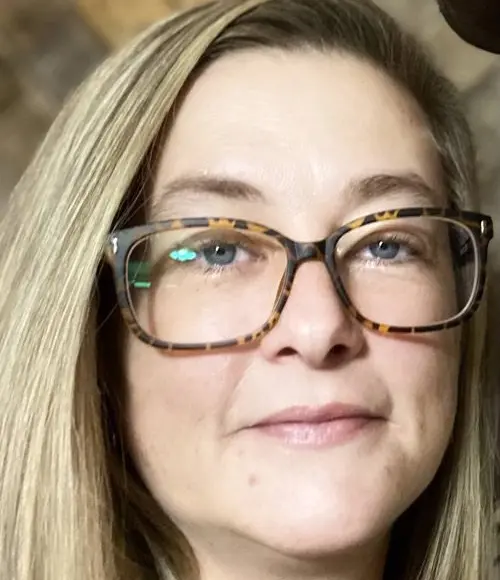
Jodi Blanton
Spartanburg Women’s Manager
Rehab.com regularly reviews this listing for accuracy but changes may occur between updates. For the most up-to-date information, please contact Faith Home Christian Recovery.
Contact Information

144 Faith Home Road
Greenwood, SC 29649
Get Help Now - 864-742-7022
Sponsored Helpline
Sponsored Helpline


