





























































































 Claimed


Home of Grace saved my brother life. After 5+ years of addiction, he is free. Thank you, the best place on Earth.
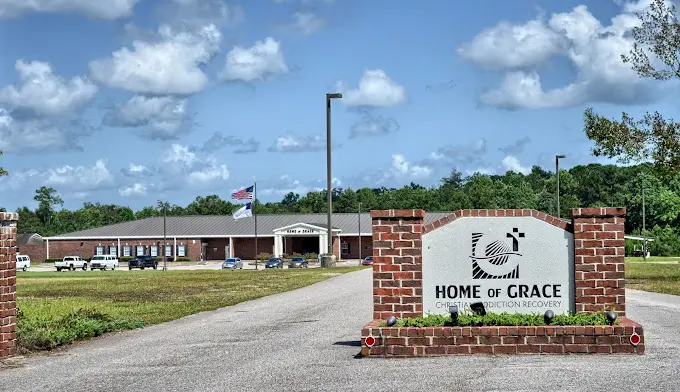
About Home of Grace
Their program is designed to heal and comfort the soul and treat the addiction. Their goal is guiding the individual to a happier, healthier life that’s free of addiction and closer to God.
Their individualized treatment plans can last from approximately one month to more than a year. It depends on the person’s situation and needs. Their program helps each participant set goals for themselves and their life. They emphasize work therapy and support their residents in developing the life skills and job skills they need to succeed.
You’ll be given the tools, resources, and support to work towards and achieve your goals. As each new goal is reached you’ll gain confidence, emotional strength, and spiritual insight. You’ll grow into your personal potential.
You’ll engage in individual and group counseling, recovery education, scripture study, and worship sessions. They also offer art, music, and spiritual or wellness activities to assist in building a sober life and sober mentality for those who trust and work the program.
Facility Overview
 110
110 Number of Available Beds
 91+
91+ Avg Length of Stay in Days
 $2650
$2650 Avg Cost per Day
Latest Reviews
The home of Grace. What a true place of people who love the Lord and points you to Christ. This place has changed my life and it has impacted my family in ways I never could have imagined. I've seen redemption forgiveness. True healing, hope, purpose in my own life. I also recommend this to ANYBODY who's looking for TRUE healing.
Looking for a place that truly cares about YOU and your journey to recovery? Look no further! Home of Grace has been a beacon of hope for over 60 years, helping countless individuals break free from substance abuse. Their program is top-notch and affordable, providing the support and tools you need to reclaim your life. If you're ready to make a change, Home of Grace is here for you every step of the way.
Incredible Spiritual Boot Camp - In the Best Way!
Wow! If you're serious about getting right with God and yourself, Home of Grace is the place. They say it's like "3 years of church in 90 days," and they aren't kidding! The intensity of the spiritual teachings, the quality of the classes, and the dedication of the teachers and preachers are unparalleled. I learned so much about faith, forgiveness, and God's grace. The beautiful grounds provided a tranquil space for prayer and contemplation, which was so important for my journey. For what they offer – a complete spiritual and personal overhaul – the cost is unbelievably reasonable. My heart is full, and my relationship with the Lord has never been stronger

Rehab Score
 Our Methodology
Scoring is assigned by a proprietary system which helps surface key metrics that determine quality. The 10-point scale factors in categories such as operations, customer satisfaction, and trust metrics. Read Full Methodology

8.5 / 10
Gallery
Other Forms of Payment
Self-pay involves paying for treatment out of your own pocket. You can use savings or credit, get a personal loan, or receive help from family and friends to fund your treatment. If you don't have insurance or your insurance plan doesn't cover a specific program, self-pay can help ensure you still get the care you need.
Financial aid can take many forms. Centers may have grants or scholarships available to clients who meet eligibility requirements. Programs that receive SAMHSA grants may have financial aid available for those who need treatment as well. Grants and scholarships can help you pai for treatment without having to repay.
Sliding scale payments are based on a client's income and family size. The goal is to make treatment affordable to everyone. By taking these factors into account, addiction recovery care providers help ensure that your treatment does not become a financial burden to you or your family, eliminating one barrier to care.
Addiction Treatments
Levels of Care
Residential treatment programs are those that offer housing and meals in addition to substance abuse treatment. Rehab facilities that offer residential treatment allow patients to focus solely on recovery, in an environment totally separate from their lives. Some rehab centers specialize in short-term residential treatment (a few days to a week or two), while others solely provide treatment on a long-term basis (several weeks to months). Some offer both, and tailor treatment to the patient's individual requirements.
Completing a drug or alcohol rehab program shouldn't spell the end of substance abuse treatment. Aftercare involves making a sustainable plan for recovery, including ongoing support. This can include sober living arrangements like halfway houses, career counseling, and setting a patient up with community programs like Alcoholics Anonymous (AA) or Narcotics Anonymous (NA).
Sober Living Houses (SLHs), aka sober homes or halfway houses, are safe, substance-free, supportive living facilities for those recovering from substance abuse. Ideal for those who've just been through inpatient or outpatient treatment, SLHs are supervised environments with rules that support sobriety, such as curfews, shared chores, and therapeutic meetings. Residents are also often trained on life skills and coping skills to make it easier to transition into society. SLHs also provide a strong sense of community that can lead to the kind of deep and lasting connections with other sober individuals that supports a new, healthy lifestyle.
Treatments
The goal of treatment for alcoholism is abstinence. Those with poor social support, poor motivation, or psychiatric disorders tend to relapse within a few years of treatment. For these people, success is measured by longer periods of abstinence, reduced use of alcohol, better health, and improved social functioning. Recovery and Maintenance are usually based on 12 step programs and AA meetings.
For those seeking help with addiction, a drug rehab in Mississippi offers the necessary care to achieve long-term recovery. Options include inpatient, residential, partial hospitalization, intensive outpatient, and long-term drug rehab in Mississippi.
Many of those suffering from addiction also suffer from mental or emotional illnesses like schizophrenia, bipolar disorder, depression, or anxiety disorders. Rehab and other substance abuse facilities treating those with a dual diagnosis or co-occurring disorder administer psychiatric treatment to address the person's mental health issue in addition to drug and alcohol rehabilitation.
A combined mental health and substance abuse rehab has the staff and resources available to handle individuals with both mental health and substance abuse issues. It can be challenging to determine where a specific symptom stems from (a mental health issue or an issue related to substance abuse), so mental health and substance abuse professionals are helpful in detangling symptoms and keeping treatment on track.
Opioid rehabs specialize in supporting those recovering from opioid addiction. They treat those suffering from addiction to illegal opioids like heroin, as well as prescription drugs like oxycodone. These centers typically combine both physical as well as mental and emotional support to help stop addiction. Physical support often includes medical detox and subsequent medical support (including medication), and mental support includes in-depth therapy to address the underlying causes of addiction.
Programs
Adult rehab programs include therapies tailored to each client's specific needs, goals, and recovery progress. They are tailored to the specific challenges adult clients may face, including family and work pressures and commitments. From inpatient and residential treatment to various levels of outpatient services, there are many options available. Some facilities also help adults work through co-occurring conditions, like anxiety, that can accompany addiction.
Young adulthood can be an exciting, yet difficult, time of transition. Individuals in their late teens to mid-20s face unique stressors related to school, jobs, families, and social circles, which can lead to a rise in substance use. Rehab centers with dedicated young adult programs will include activities and amenities that cater to this age group, with an emphasis on specialized counseling, peer socialization, and ongoing aftercare.
Men face specific challenges and concerns when seeking addiction treatment. Gender-specific recovery programs help them tackle these issues head-on in an environment that's focused, targeted, and distraction-free. It also gives them the opportunity to connect with and learn from other men who have been through a similar journey and can offer support for the next step.
Rehabs for women provide a safe, nurturing space for female clients to heal. These treatment programs consider the specific obstacles that women can face during recovery and place a special emphasis on mental, social, physical, and reproductive health. They explore how each woman's experience has shaped the trajectory of their substance use, addressing issues such as sexual abuse and past trauma.
Clinical Services
Cognitive Behavioral Therapy (CBT) is a therapy modality that focuses on the relationship between one's thoughts, feelings, and behaviors. It is used to establish and allow for healthy responses to thoughts and feelings (instead of unhealthy responses, like using drugs or alcohol). CBT has been proven effective for recovering addicts of all kinds, and is used to strengthen a patient's own self-awareness and ability to self-regulate. CBT allows individuals to monitor their own emotional state, become more adept at communicating with others, and manage stress without needing to engage in substance abuse.
Residents will never be alone in their recovery. An effective key to transformation is sharing the journey with those on a similar path. This is accomplished through focus groups, phase groups, workshops, select seminars, and cottage meetings. These multi-faceted group sessions open a window of trust, build integrity, and provide encouragement and accountability.
Home of Grace counselors are certified and trained to coordinate individual counseling services, provide instruction, and monitor a resident’s progression through the program. Counselors will assist in the identification of destructive thinking patterns and emotional wounds that have contributed to the resident’s addiction while applying Biblical solutions. Counseling sessions are individual-focused. Counseling is geared toward an action plan necessary for success after the program while stressing a deeper understanding of God and His purpose for their lives.
Motivational Interviewing (MI) is a clinical approach to helping people with substance abuse issues and other conditions shift behavior in positive ways. It is more goal-oriented than traditional psychotherapy, as MI counselors directly attempt to get clients to consider making behavioral change (rather than wait for them to come to conclusions themselves). Its primary purpose is to resolve ambivalence and help clients become able to make healthy choices freely.
Whether a marriage or other committed relationship, an intimate partnership is one of the most important aspects of a person's life. Drug and alcohol addiction affects both members of a couple in deep and meaningful ways, as does rehab and recovery. Couples therapy and other couples-focused treatment programs are significant parts of exploring triggers of addiction, as well as learning how to build healthy patterns to support ongoing sobriety.
Research clearly demonstrates that recovery is far more successful and sustainable when loved ones like family members participate in rehab and substance abuse treatment. Genetic factors may be at play when it comes to drug and alcohol addiction, as well as mental health issues. Family dynamics often play a critical role in addiction triggers, and if properly educated, family members can be a strong source of support when it comes to rehabilitation.
Life skills trainings involve all the skills a person must have in order to function successfully in the world. These include time management, career guidance, money management, and effective communication. Truly successful addiction recovery is based on the ability to not only live substance-free, but to thrive. Life skills teaches the practical necessities of functioning in society, which sets clients up for success in life, and therefore sobriety.
Recreational therapy (aka therapeutic recreation) uses creative and fun activities to help with addiction recovery. Recreational therapists lead patients in entertaining and engaging activities like sports or games; art (drawing, painting, sculpture); drama, music, and dance; and/or community outings (field trips) to improve patients' physical, social, and emotional well-being.
Nicotine Replacement Therapy (NRT) is a way of getting nicotine into the bloodstream without smoking. It uses products that supply low doses of nicotine to help people stop smoking. The goal of therapy is to cut down on cravings for nicotine and ease the symptoms of nicotine withdrawal.
Rational Behavior Therapy (RBT) is a form of cognitive behavioral therapy meant to be short-term and comprehensive. It was intended to help clients become more self-sufficent and move forward without the need for expensive, ongoing therapy. It includes an emotional self-help method called “rational self-counseling,” the purpose of which is to give clients all the skills needed to handle future emotional issues by themselves, or with significantly less professional help.
Amenities
-
 Private Rooms
 -
 Volleyball Court
Staff & Accreditations
Staff

Josh Barton
Executive Director

Clay Barton
Associate Director

Ronnie Arant
Program Director

Jessica Maddox
Women’s Program Director

Drew Hurd
Director of Finance
Accreditations

The Substance Abuse and Mental Health Services Administration (SAMHSA) is a branch of the U.S. Department of Health and Human Services. Established in 1992 by congress, SAMHSA's mission is to reduce the impact of substance abuse and mental illness on American's communities.
SAMHSA Listed: Yes
Rehab.com regularly reviews this listing for accuracy but changes may occur between updates. For the most up-to-date information, please contact Home of Grace.
Contact Information

14200 Jericho Road
Vancleave MS, 39565
Get Help Now - 228-432-4666
Sponsored Helpline
Sponsored Helpline


