






























































































This place has let me down time and time again over the years. 1st, making me out to be a drug seeker when I needed help with anxiety disorder. 2nd, telling me "there is nothing wrong" with me even though I couldn't hold down a job. 3rd, therapist I was seeing talked t ...
About La Casa Community Behavioral Health
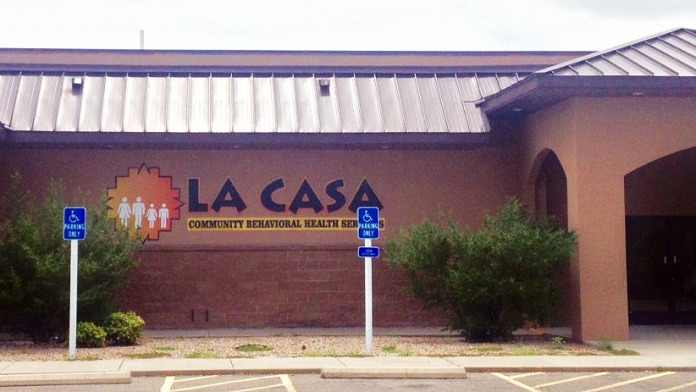
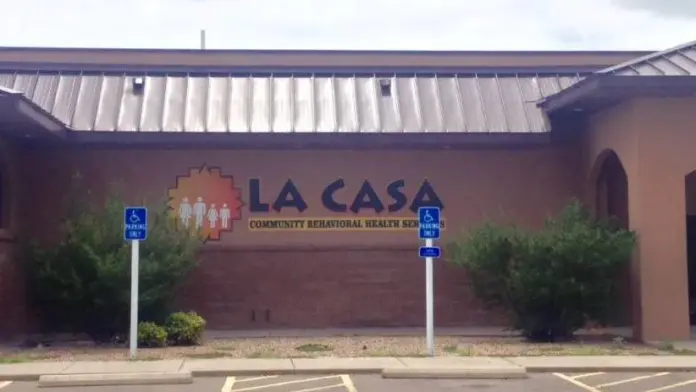
La Casa Community Behavioral Health is a community-based behavioral health center in Roswell, New Mexico.
The center offers outpatient counseling, medication management, crisis intervention, Comprehensive Community Support Services and psychosocial rehabilitation support.
La Casa is committed to making quality behavioral health care accessible to all residents, regardless of socioeconomic status.
CBT and Detox
La Casa provides outpatient substance use treatment, including intensive outpatient care, medically supervised detox support and relapse prevention.
The team also incorporates 12-step facilitation and medication assisted treatment to support clients through recovery.
Counseling sessions may draw on cognitive behavioral therapy, motivational interviewing and trauma informed care.
This blended approach helps clients address the root causes of substance use while building practical coping skills.
Community Support and Crisis Services
La Casa offers Comprehensive Community Support Services to help clients coordinate care, overcome barriers to independence and connect with rehabilitative and medical resources.
Walk in crisis intervention is available during office hours, with referrals to hospitals or inpatient centers.
Access and Getting Started
La Casa serves Roswell and southeastern New Mexico from its Mescalero Street office, with in person and telehealth options.
The Roswell behavioral health location opened in 2015 as part of La Casa Family Health Center’s broader network.
Accepted payment options include self pay, Medicaid, Medicare, sliding scale fees and financial aid.
Latest Reviews
I feel hopeful, heard and understood for the first time in a long time. It means a lot to me!
Awesome place who doesn't judge you, and Dr.Nelson and his staff or La Casa owners thank you. You guys helped change my life.. Ther all cool.
Reviewed on 03/11/2019
It was nice to have a staff that is willing to be flexible, helpful, and understanding. They were professional 24/7 (plus most of them were very open to prescribing alternative medications!)

Rehab Score
 Our Methodology
Scoring is assigned by a proprietary system which helps surface key metrics that determine quality. The 10-point scale factors in categories such as operations, customer satisfaction, and trust metrics. Read Full Methodology

6.4 / 10
Gallery
Other Forms of Payment
Medicaid is a state based program that helps lower-income individuals and families pay for healthcare. Medicaid covers addiction treatment so those enrolled can use their coverage to pay for rehab. When a program accepts Medicaid the client often pays very little or nothing out of their own pocket.
Private insurance refers to any kind of healthcare coverage that isn't from the state or federal government. This includes individual and family plans offered by an employer or purchased from the Insurance Marketplace. Every plan will have different requirements and out of pocket costs so be sure to get the full details before you start treatment.
Self-pay involves paying for treatment out of your own pocket. You can use savings or credit, get a personal loan, or receive help from family and friends to fund your treatment. If you don't have insurance or your insurance plan doesn't cover a specific program, self-pay can help ensure you still get the care you need.
Financial aid can take many forms. Centers may have grants or scholarships available to clients who meet eligibility requirements. Programs that receive SAMHSA grants may have financial aid available for those who need treatment as well. Grants and scholarships can help you pai for treatment without having to repay.
Sliding scale payments are based on a client's income and family size. The goal is to make treatment affordable to everyone. By taking these factors into account, addiction recovery care providers help ensure that your treatment does not become a financial burden to you or your family, eliminating one barrier to care.
Medicare is a federal program that provides health insurance for those 65 and older. It also serves people under 65 with chronic and disabling health challenges. To use Medicare for addiction treatment you need to find a program that accepts Medicare and is in network with your plan. Out of pocket costs and preauthorization requirements vary, so always check with your provider.
Military members, veterans, and eligible dependents have access to specific insurance programs that help them get the care they need. TRICARE and VA insurance can help you access low cost or no cost addiction and mental health treatment. Programs that accept military insurance often have targeted treatment focused on the unique challenges military members, veterans, and their families face.
Addiction Treatments
Levels of Care
Outpatient Programs (OP) are for those seeking mental rehab or drug rehab, but who also stay at home every night. The main difference between outpatient treatment (OP) and intensive outpatient treatment (IOP) lies in the amount of hours the patient spends at the facility. Most of the time an outpatient program is designed for someone who has completed an inpatient stay and is looking to continue their growth in recovery. Outpatient is not meant to be the starting point, it is commonly referred to as aftercare.
Drug and alcohol addiction often takes a heavy toll on one's body. Over time, a physical dependence can develop, meaning the body physiologically needs the substance to function. Detox is the process of removing drugs and/or alcohol from the body, a process that can be lethal if mismanaged. Medical detox is done by licensed medical professionals who monitor vital signs and keep you safe, healthy, and as comfortable as possible as you go through detox and withdrawal.
Intensive Outpatient Programs (IOP) are for those who want or need a very structured treatment program but who also wish to live at home and continue with certain responsibilities (such as work or school). IOP substance abuse treatment programs vary in duration and intensity, and certain outpatient rehab centers will offer individualized treatment programs.
12 step programs promote comprehensive and continuing care for persons in recovery through peer support and personal growth. Regular attendance at 12 step meetings is required. Participants also select a peer sponsor who mentors sponsees through the recovery journey. Though the 12 steps of recovery are rooted in the belief in a higher power, religious affiliation is not mandatory. These programs are designed to facilitate self-understanding and forgiveness, personal accountability, and acceptance of that which cannot be changed.
Rehab aftercare programs promote clients' long-term recovery by providing a robust continuum of care aligned with clients' evolving needs. Because addiction is a chronic disease prone to relapse, rehab aftercare services are highly client-focused and uniquely responsive to clients' changing medical, mental health, and social circumstances. Case managers and care teams collaborate with clients, assess their goals and needs, and provide access to recovery-focused resources, such as peer coaching, employment assistance, and relapse prevention services.
Treatments
The goal of treatment for alcoholism is abstinence. Those with poor social support, poor motivation, or psychiatric disorders tend to relapse within a few years of treatment. For these people, success is measured by longer periods of abstinence, reduced use of alcohol, better health, and improved social functioning. Recovery and Maintenance are usually based on 12 step programs and AA meetings.
Each drug rehab in New Mexico offers unique amenities and treatment methods. Common aspects of treatment include group and individual counseling, recreational therapy, medication management, and healthy living. Aftercare is often provided to prevent relapse.
Many of those suffering from addiction also suffer from mental or emotional illnesses like schizophrenia, bipolar disorder, depression, or anxiety disorders. Rehab and other substance abuse facilities treating those with a dual diagnosis or co-occurring disorder administer psychiatric treatment to address the person's mental health issue in addition to drug and alcohol rehabilitation.
A combined mental health and substance abuse rehab has the staff and resources available to handle individuals with both mental health and substance abuse issues. It can be challenging to determine where a specific symptom stems from (a mental health issue or an issue related to substance abuse), so mental health and substance abuse professionals are helpful in detangling symptoms and keeping treatment on track.
Opioid rehabs specialize in supporting those recovering from opioid addiction. They treat those suffering from addiction to illegal opioids like heroin, as well as prescription drugs like oxycodone. These centers typically combine both physical as well as mental and emotional support to help stop addiction. Physical support often includes medical detox and subsequent medical support (including medication), and mental support includes in-depth therapy to address the underlying causes of addiction.
Programs
Adult rehab programs include therapies tailored to each client's specific needs, goals, and recovery progress. They are tailored to the specific challenges adult clients may face, including family and work pressures and commitments. From inpatient and residential treatment to various levels of outpatient services, there are many options available. Some facilities also help adults work through co-occurring conditions, like anxiety, that can accompany addiction.
Clinical Services
Group therapy is any therapeutic work that happens in a group (not one-on-one). There are a number of different group therapy modalities, including support groups, experiential therapy, psycho-education, and more. Group therapy involves treatment as well as processing interaction between group members.
When you participate in cognitive behavioral therapy in New Mexico you can expect to follow a structured four step process. This involves identifying life challenges, identifying inaccurate thinking about those challenges, changing those thought patterns to healthy ones, and changing the resulting behaviors.
If you attend couples therapy in New Mexico, you can expect to work with the therapist and each other to identify emotions, explore your history, and learn new skills to help you better meet relationship challenges. These skills may include problem solving, conflict resolution, and anger management.
Therapists in New Mexico focus on creating a supportive network in family therapy sessions. This helps to support their loved one's recovery journey. By identifying dysfunctional patterns, your therapist can help you develop healthier ways of interacting with each other that significantly improve the overall treatment outcome.
Individual therapy offers men and women a customized approach to explore the root causes of their substance use and develop healthy coping mechanisms. This improves the effectiveness of treatment and helps to foster long term sobriety. Sessions usually involve an in depth exploration of your life experiences, including harmful behaviors and thoughts that drive addictive behavior.
Motivational interviewing can help you resolve indecisive feelings and develop the confidence to make changes. It is a short term counseling method that offers empathy and practical support and is often used as part of drug and alcohol rehab in New Mexico.
Staff & Accreditations
Staff
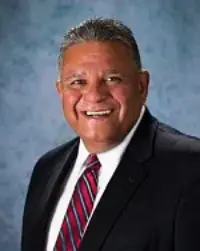
Seferino M. Montano
CEO

Dr. Giddel Thom, MD
Chief Medical Director
Accreditations

The Joint Commission, formerly known as JCAHO, is a nonprofit organization that accredits rehab organizations and programs. Founded in 1951, the Joint Commision's mission is to improve the quality of patient care and demonstrating the quality of patient care.
Joint Commission Accreditation: Yes

The Substance Abuse and Mental Health Services Administration (SAMHSA) is a branch of the U.S. Department of Health and Human Services. Established in 1992 by congress, SAMHSA's mission is to reduce the impact of substance abuse and mental illness on American's communities.
SAMHSA Listed: Yes
Rehab.com regularly reviews this listing for accuracy but changes may occur between updates. For the most up-to-date information, please contact La Casa Community Behavioral Health.
Contact Information

110 East Mescalero street
Roswell NM, 88201
Get Help Now - 575-266-4671
Sponsored Helpline
Sponsored Helpline


