





























































































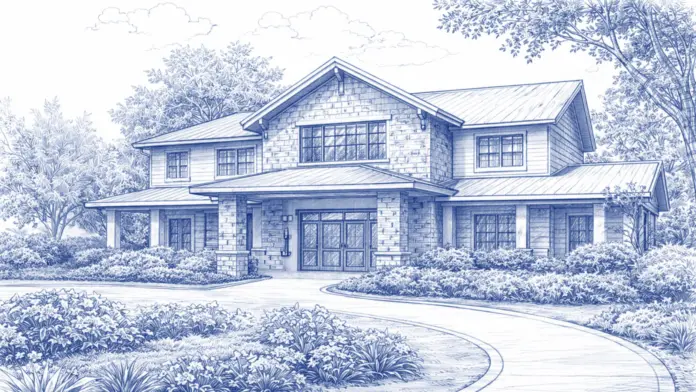


I love this place, they are passionate about rehabilitation. I would like all the addicted people of the world to know it.
About Life Changers Outreach – West Virginia Women’s Center
Life Changers Outreach Beckley is a faith based addiction recovery program in Beckley, West Virginia offering long term residential treatment and crisis stabilization services for men and women seeking freedom from substance use.
The mission centers on restoring clients and families affected by addiction through community, mentorship, and spiritual growth. The program operates from a distinctly Christian ministry perspective combining discipleship, life skills development, and work readiness to support lasting recovery.
Crisis Stabilization and Christ Centered Work Therapy
Life Changers Outreach Beckley provides a long-term residential recovery program set within a structured living environment designed to help participants build a stable foundation for sobriety.
The program also offers a Crisis Stabilization Program for those in immediate need of support and direction. Participants engage in classes, work therapy, and one-on-one mentorship as part of a discipleship-based model that emphasizes personal responsibility and spiritual development.
The Christ-centered approach addresses the whole person, helping residents develop practical life skills alongside their recovery.
Quick Facts: Life Changers Outreach Beckley
- Programs offered: Long-term residential recovery, Discipleship Program, and Crisis Stabilization Program.
- Who they serve: Men and women from diverse backgrounds seeking recovery from addiction.
- Treatment approach: Faith-based, Christ-centered recovery emphasizing discipleship, mentorship, and life-skills training.
- Additional support: Work therapy and structured classes to build personal responsibility and community reintegration.
Facility Overview
 91+
91+ Avg Length of Stay in Days
Latest Reviews
I highly recommend this program. It dies change people's lives.
Saw some bad reviews, only a few from people who were actually there. I met three ladies in outside a rural king store in Indiana. Talked with them and heard their stories and they touched my heart. Invited them to come to our Church and give their stories and they did. Had some sad beginnings but they all thanked God for what He and the program were doing in their lives.
Our congregation gave them over 2000 dollars and we have not regretted it. They state up front that they are a Christian based organization, so if you are not ready to let God take control it is not for you. Our granddaughters mother is a struggling addict, now in jail. Am praying she can go and let's God guide her life.
I have found more than a supportive community. This is a place for family to grow and be united. I was lost in addiction for so many years that it took the help of God and woman and men edifying and pushing to the feet of Jesus. More than thankful!!!

Rehab Score
 Our Methodology
Scoring is assigned by a proprietary system which helps surface key metrics that determine quality. The 10-point scale factors in categories such as operations, customer satisfaction, and trust metrics. Read Full Methodology

6.3 / 10
Gallery
Other Forms of Payment
Private insurance refers to any kind of healthcare coverage that isn't from the state or federal government. This includes individual and family plans offered by an employer or purchased from the Insurance Marketplace. Every plan will have different requirements and out of pocket costs so be sure to get the full details before you start treatment.
Self-pay involves paying for treatment out of your own pocket. You can use savings or credit, get a personal loan, or receive help from family and friends to fund your treatment. If you don't have insurance or your insurance plan doesn't cover a specific program, self-pay can help ensure you still get the care you need.
Financial aid can take many forms. Centers may have grants or scholarships available to clients who meet eligibility requirements. Programs that receive SAMHSA grants may have financial aid available for those who need treatment as well. Grants and scholarships can help you pai for treatment without having to repay.
Addiction Treatments
Levels of Care
Residential treatment programs are those that offer housing and meals in addition to substance abuse treatment. Rehab facilities that offer residential treatment allow patients to focus solely on recovery, in an environment totally separate from their lives. Some rehab centers specialize in short-term residential treatment (a few days to a week or two), while others solely provide treatment on a long-term basis (several weeks to months). Some offer both, and tailor treatment to the patient's individual requirements.
Clients who are leaving detox or intensive inpatient care often transition into a rehab aftercare program. Outpatient treatment is among the most common rehab aftercare services, but clients often continue to receive support long after being discharged from formal treatment. Clients' long-term care plans are highly individualized and designed to evolve with the clients' changing needs. Case managers and care teams typically work with the client to design their unique care strategy.
The primary rule in a sober living home in West Virginia is that residents stay sober. In addition to this rule, residents are encouraged to find work or attend school and must contribute to household chores and abide by a curfew. These rules encourage responsible behavior and help residents maintain a structured, sober lifestyle. The halfway house setting helps people in recovery avoid isolation, practice responsibility, and develop supportive relationships.
If you have become physically dependent on drugs or alcohol, quitting abruptly can cause withdrawal symptoms like anxiety, headaches, flu-like symptoms, and more. In severe cases, these withdrawal symptoms can even be dangerous. In medically assisted detox, a team of licensed professionals will monitor your vitals, provide medication if needed, and help keep you as safe and comfortable as possible during this process.
Treatments
The goal of treatment for alcoholism is abstinence. Those with poor social support, poor motivation, or psychiatric disorders tend to relapse within a few years of treatment. For these people, success is measured by longer periods of abstinence, reduced use of alcohol, better health, and improved social functioning. Recovery and Maintenance are usually based on 12 step programs and AA meetings.
Drug addiction causes psychological and physical damage through repeated and uncontrollable use of substances. Drug rehab in West Virginia focuses on providing a full continuum of care, from detox to aftercare, and treatment can take place in outpatient or inpatient settings, based on your needs.
Many of those suffering from addiction also suffer from mental or emotional illnesses like schizophrenia, bipolar disorder, depression, or anxiety disorders. Rehab and other substance abuse facilities treating those with a dual diagnosis or co-occurring disorder administer psychiatric treatment to address the person's mental health issue in addition to drug and alcohol rehabilitation.
A combined mental health and substance abuse rehab has the staff and resources available to handle individuals with both mental health and substance abuse issues. It can be challenging to determine where a specific symptom stems from (a mental health issue or an issue related to substance abuse), so mental health and substance abuse professionals are helpful in detangling symptoms and keeping treatment on track.
Opioid rehabs specialize in supporting those recovering from opioid addiction. They treat those suffering from addiction to illegal opioids like heroin, as well as prescription drugs like oxycodone. These centers typically combine both physical as well as mental and emotional support to help stop addiction. Physical support often includes medical detox and subsequent medical support (including medication), and mental support includes in-depth therapy to address the underlying causes of addiction.
Programs
Adult rehab programs include therapies tailored to each client's specific needs, goals, and recovery progress. They are tailored to the specific challenges adult clients may face, including family and work pressures and commitments. From inpatient and residential treatment to various levels of outpatient services, there are many options available. Some facilities also help adults work through co-occurring conditions, like anxiety, that can accompany addiction.
Young adulthood can be an exciting, yet difficult, time of transition. Individuals in their late teens to mid-20s face unique stressors related to school, jobs, families, and social circles, which can lead to a rise in substance use. Rehab centers with dedicated young adult programs will include activities and amenities that cater to this age group, with an emphasis on specialized counseling, peer socialization, and ongoing aftercare.
Recovery is most successful when clients feel accepted and validated by their peers and treatment providers. Facilities that offer LGBTQ-inclusive programming are committed to creating a safe space where everyone can grow and recover without fear of judgment or discrimination. They will have dedicated policies in place to create a safe and supportive environment that fosters free expression.
Clinical Services
Group therapy is any therapeutic work that happens in a group (not one-on-one). There are a number of different group therapy modalities, including support groups, experiential therapy, psycho-education, and more. Group therapy involves treatment as well as processing interaction between group members.
In individual therapy, a patient meets one-on-one with a trained psychologist or counselor. Therapy is a pivotal part of effective substance abuse treatment, as it often covers root causes of addiction, including challenges faced by the patient in their social, family, and work/school life.
Trauma therapy addresses traumatic incidents from a client's past that are likely affecting their present-day experience. Trauma is often one of the primary triggers and potential causes of addiction, and can stem from child sexual abuse, domestic violence, having a parent with a mental illness, losing one or both parents at a young age, teenage or adult sexual assault, or any number of other factors. The purpose of trauma therapy is to allow a patient to process trauma and move through and past it, with the help of trained and compassionate mental health professionals.
Research clearly demonstrates that recovery is far more successful and sustainable when loved ones like family members participate in rehab and substance abuse treatment. Genetic factors may be at play when it comes to drug and alcohol addiction, as well as mental health issues. Family dynamics often play a critical role in addiction triggers, and if properly educated, family members can be a strong source of support when it comes to rehabilitation.
The goal of nutrition therapy is to teach you how to properly care for your body so you can recover from addiction both physically and mentally. You'll learn the nutrients your body needs to recover and the foods you should eat to avoid cravings and reduce the risk of relapse.
Life skills trainings involve all the skills a person must have in order to function successfully in the world. These include time management, career guidance, money management, and effective communication. Truly successful addiction recovery is based on the ability to not only live substance-free, but to thrive. Life skills teaches the practical necessities of functioning in society, which sets clients up for success in life, and therefore sobriety.
Amenities
-
 Residential Setting
 -
 Private Rooms
Staff & Accreditations
Staff
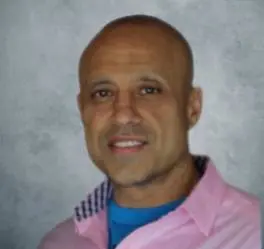
Mark Gallo
Founder, Pastor Senior Executive Director
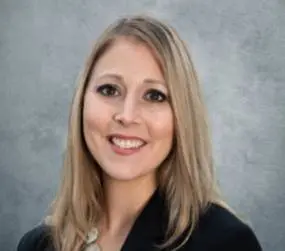
Juanell Gallo
Co Founder, Associate Pastor
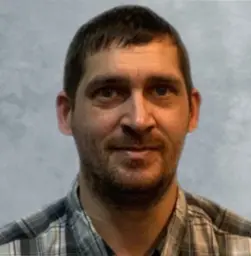
Clinton Naquin
Chief Administrator
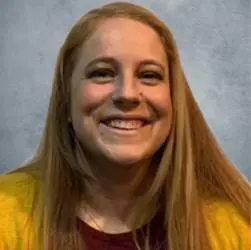
Ashley Naquin
Chief Administrator
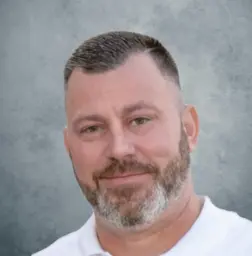
Gregory Brown
Executive Director
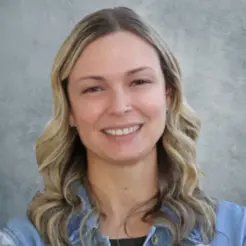
Trista Brown
Executive Director
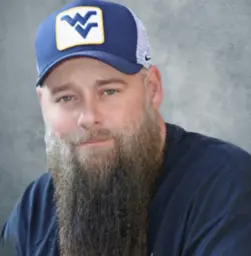
Benjamin Mckay
Program Director
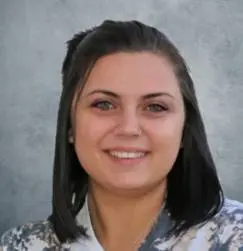
Nikki Henderson
Program Director
Accreditations

The Joint Commission, formerly known as JCAHO, is a nonprofit organization that accredits rehab organizations and programs. Founded in 1951, the Joint Commision's mission is to improve the quality of patient care and demonstrating the quality of patient care.
Joint Commission Accreditation: Yes
Rehab.com regularly reviews this listing for accuracy but changes may occur between updates. For the most up-to-date information, please contact Life Changers Outreach – West Virginia Women’s Center.
Contact Information

311 Prince St
Beckley, WV 25801
Get Help Now - 304-578-5627
Sponsored Helpline
Sponsored Helpline


