










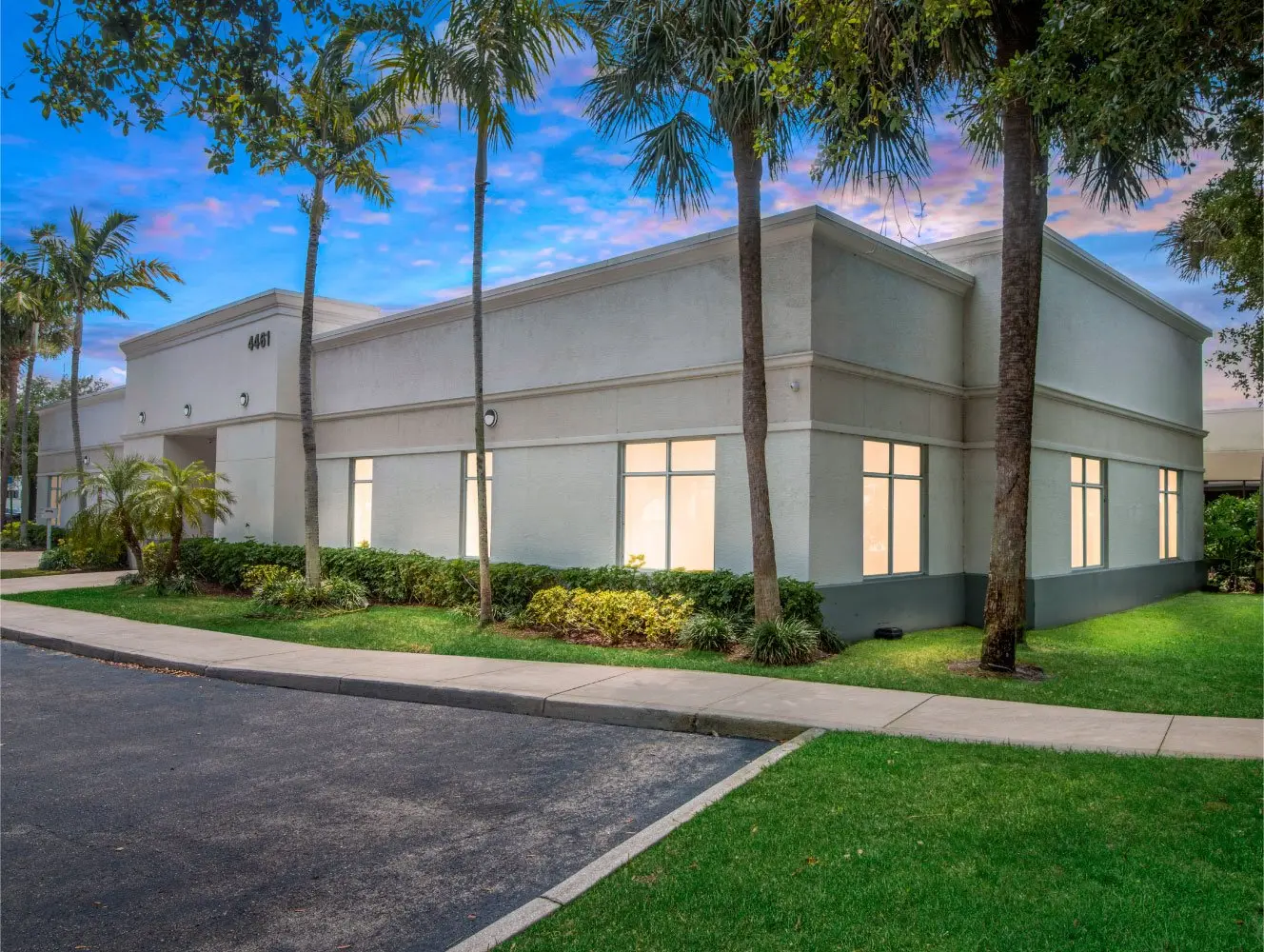
All In Solutions Wellness Center
1
Top 10 Rehab Centers In West Palm Beach



















































































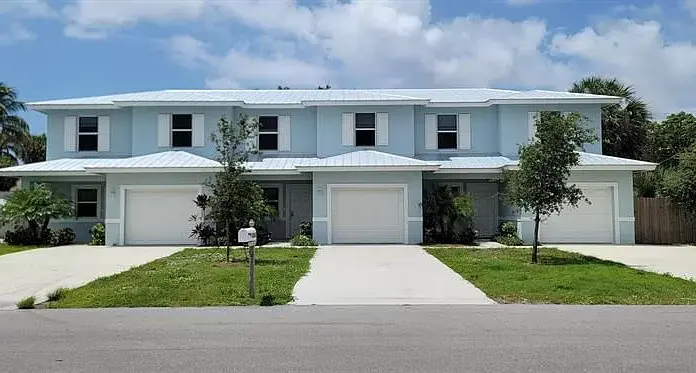
Adults come to Mark Behavioral Health, a residential rehab in Lantana, Florida, when a mental health condition needs care around the clock. The program accepts voluntary admissions only, and residents must be at least 18 and medically stable. The 14-bed residence draws people from across Florida and beyond, with complimentary airport transfers from PBI.
Mark Behavioral Health runs a dual diagnosis program that treats mental health conditions and substance use disorders together. When one team treats both, each condition is seen in light of the other. Residents receive individual, group and family therapy, and the approaches used include cognitive behavioral therapy, dialectical behavior therapy and EMDR, a therapy for trauma.
The clinical team includes licensed therapists, experienced support staff and a board-certified psychiatrist. Psychiatric care and medication management are part of treatment for every resident. Stays run 30 days or longer, with crisis stabilization, counseling and case management built into the program.
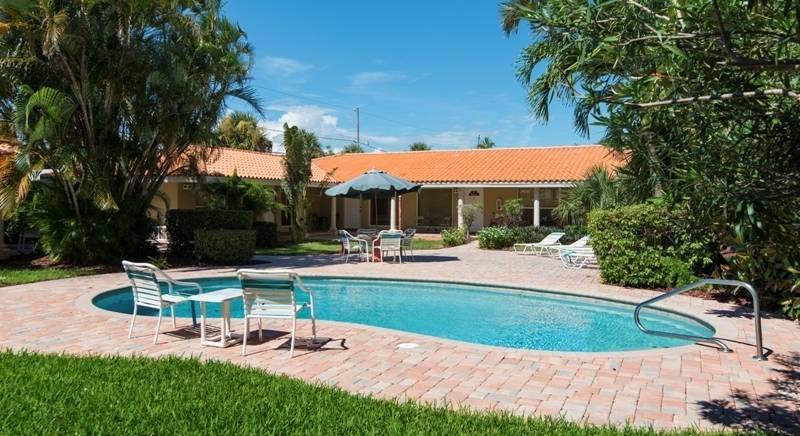
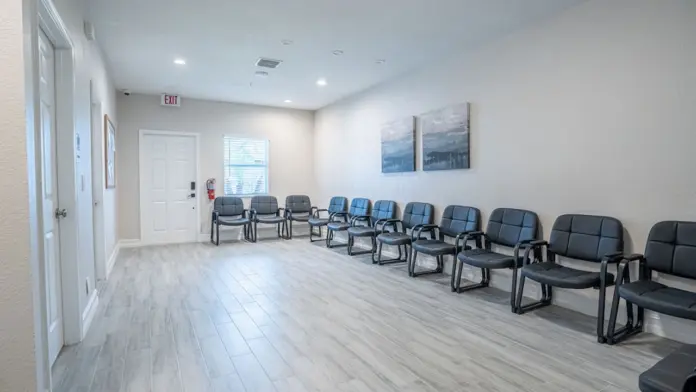
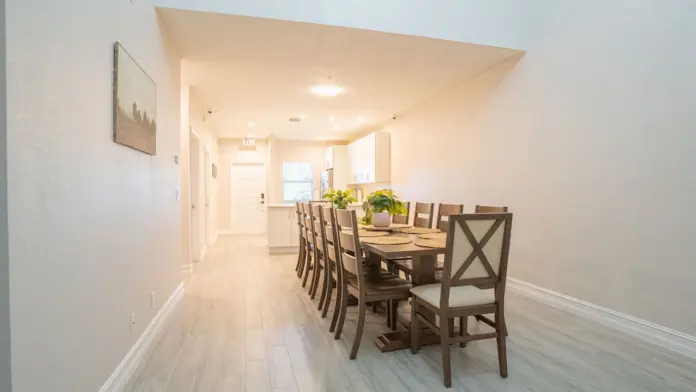
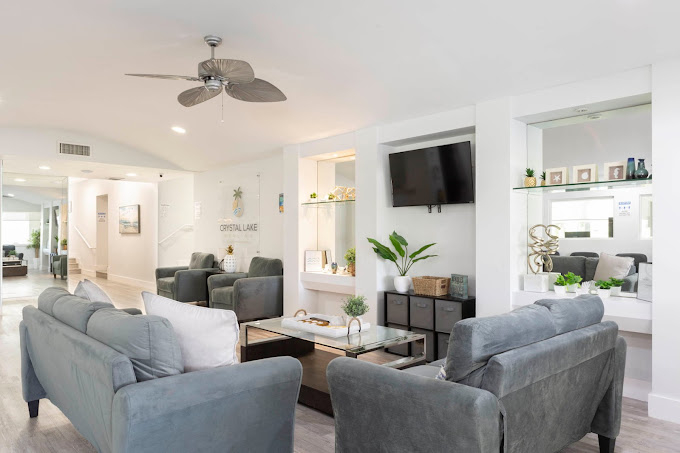
A stay of that length shows how symptoms and medication interact over time. Mark Behavioral Health is accredited by the Joint Commission. The residence offers private and semi-private rooms, gourmet meals and recreation areas.
There is no outpatient treatment on site. The program connects residents with partial hospitalization, intensive outpatient or outpatient therapy near home for continuing care. Mark Behavioral Health accepts most PPO insurance plans, and its admissions team offers a free insurance benefits check that clarifies coverage.


 Our Methodology



Private insurance refers to any kind of healthcare coverage that isn't from the state or federal government. This includes individual and family plans offered by an employer or purchased from the Insurance Marketplace. Every plan will have different requirements and out of pocket costs so be sure to get the full details before you start treatment.
Self-pay involves paying for treatment out of your own pocket. You can use savings or credit, get a personal loan, or receive help from family and friends to fund your treatment. If you don't have insurance or your insurance plan doesn't cover a specific program, self-pay can help ensure you still get the care you need.
Residential treatment here means 30 days or more in an inpatient setting, with crisis stabilization, therapy, counseling and case management built into the stay.
The dual diagnosis program treats primary mental health conditions and substance use disorders together, addressing both at once.
Residential mental health care for adults in South Florida, for people 18 and over who are medically stable and whose conditions need round-the-clock care.
Adults 18 and over. The program is built for people whose mental health conditions are serious enough to need round-the-clock care, and it runs in Palm Beach County.
Recovery is most successful when clients feel accepted and validated by their peers and treatment providers. Facilities that offer LGBTQ-inclusive programming are committed to creating a safe space where everyone can grow and recover without fear of judgment or discrimination. They will have dedicated policies in place to create a safe and supportive environment that fosters free expression.
Serving in the military is both mentally and physically challenging, and can result in trauma that persists even after combat ends. Military programs are tailored to the specific and often complex needs of active duty personnel, veterans, and military families. Clients often access these programs through the U.S. Department of Veterans Affairs (VA).
Cognitive behavioral therapy is among the modalities used, with dialectical behavior therapy, trauma-informed care, psychoeducation, grief therapy and EMDR also on the list.
Dialectical behavior therapy is on the list too, alongside cognitive behavioral therapy and the other approaches the therapists here use.
Optimal eating disorder treatment in Florida involves a multi disciplinary team. This includes a primary health care provider, a dietician, and a mental health professional. This ensures that treatment addresses the physical and behavioral aspects of the eating disorder.
 Eye Movement Desensitization and Reprocessing
During family therapy sessions, you navigate the complexities of addiction and are provided tools to help improve communication and resolve conflicts. When you work together, families can better support their loved one's recovery and restore balance and harmony within the household.
Group therapy is part of what every resident receives, next to individual therapy, psychiatric care and medication management.
Individual therapy is part of the care each resident gets. Psychiatric care and medication management sit alongside it, with group therapy in the mix.
Life skills are the core skills you need for daily success. They can include self care, stress management, daily routines, and emotion control. Rehab treatment includes the development of these skills so you have the tools you need for long term recovery.
As a short term therapeutic method, motivational interviewing in Florida requires only a couple of sessions. During these sessions, you'll have the opportunity to talk about your circumstances and any discrepancies between your current situation and future goals. You'll then decide for yourself what changes you want to make.
Recreational therapy helps you recover from addiction by giving you structured activities that promote your physical health and mental well being. These activities could range from sports and fitness to creative arts and provide a constructive outlet for your emotions and stress.
Trauma work runs through the program. Therapy is trauma-informed, and EMDR is used specifically for trauma, alongside cognitive behavioral therapy.
 Art activities
  Luxury accommodations
  Private setting
  Private transportation
  Recreation room
  Residential setting
The Joint Commission, formerly known as JCAHO, is a nonprofit organization that accredits rehab organizations and programs. Founded in 1951, the Joint Commision's mission is to improve the quality of patient care and demonstrating the quality of patient care.
Joint Commission Accreditation: Yes

State Licenses are permits issued by government agencies that allow rehab organizations to conduct business legally within a certain geographical area. Typically, the kind of program a rehab facility offers, along with its physical location, determines which licenses are required to operate legally.
State License: Florida

LegitScript has reviewed Mark Behavioral Health as part of their certification program, and has determined that it meets the LegitScript standards for legality, safety and transparency.
LegitScript verified in
Rehab.com regularly reviews this listing for accuracy but changes may occur between updates. For the most up-to-date information, please contact Mark Behavioral Health.

128 Lakeview Ave
Lantana, FL 33462
Sponsored Helpline

Exceptional services provided, qualified and caring clinical staff and team members, and a clean and sanitized property. Nature and meditative outings that assist in the healing journey. I would recommend Mark Behavioral Health as a place to begin your mental health journey. It works if you work it!

I want to think the staff, nurses and therapists for all of their help during my time of extreme emotional distress, anxiety, depression, and dysregulation. I loved how small (14 patients max) and personable treament was for me; also the catered food, snacks and popcorn machine was a big plus. The rooms, bedding and bath were nice and comfortable, making it feel like a hotel room, not a hospital! The daily group therapy really helped me understand myself, others and address my current mental health struggles. I have made life long friends here, as well as family. If you need to get away for your mental health, and are looking for mental health focussed therapy, small groups, sunshine, and personal down time, I would come to Mark Behavioral Health!

I’ve had the opportunity to work with Mark Behavioral Health through referring clients to their program, and my experience has been very positive. What stands out most is the way their staff combines professionalism with a personal, compassionate approach. Clients are provided with a supportive setting, clear structure, and the resources they need to work toward meaningful change. I’ve received positive feedback from those I’ve referred and have seen firsthand the difference their treatment can make. I would feel comfortable recommending Mark Behavioral Health to anyone looking for a quality mental health treatment program.

What an amazing facility. The staff are professional, respectful, and genuinely care about the patient experience. I would highly recommend them for care and support of a loved one.
 Back
Back
Sharing your insights and experiences can help others learn more about this rehab center.
Residential mental health treatment. Stays last 30 days or more, and the program includes crisis stabilization, therapy, counseling and case management. It’s an inpatient rehab setting, so people stay on site for the length of treatment.
Yes, most PPO plans are accepted. Aetna, Optum/UnitedHealthcare, Blue Cross Blue Shield and Cigna are among them, and a free benefits check clarifies insurance coverage for rehab. Residential care typically needs insurance or private payment, and the cost runs from $15,000 to $45,000 depending on length of stay and services.
Adults 18 and over whose mental health conditions are serious enough to need round-the-clock care, and who are medically stable when they arrive. That’s the clinical bar for admission at this program.
Yes. Residents come from across Florida and the rest of the country, and complimentary airport transfers run from Palm Beach International to the program. Rooms are private or semi-private, with meals and recreation areas on site.
No. The program doesn’t provide outpatient treatment, partial hospitalization or intensive outpatient care. It does connect people with PHP, IOP or outpatient therapy near their home.
 Written By: Susan Bertram
BA
Written By: Susan Bertram
BA
