






























































































This is the worst center that I have been to in my life. Their services are so disorganized. It is absolutely impossible for patients to see the Doctor, paperwork is always screwed up and the staff make excuses for that instead of correcting the issues. I would not recommend ...
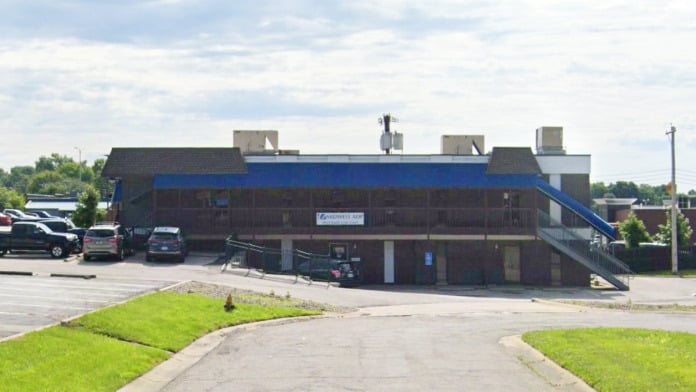
About Midwest ADP
Midwest ADP adapts to the Substance Awareness Traffic Offender Program (SATOP) monitoring protocol in a timely manner. A person’s drug and alcohol use is assessed, leading to the appropriate set of measures necessary to get help. Participants can be involved in offender education, weekend interventions or clinical intervention programs. They provide special courses for first offenders and are prepared to offer additional support to assist those who need more care.
For those who need more significant assistance, the Clinical Intervention Program (CIP) offers focused treatment group sessions designed to address deeper patterns of substance use. These sessions are guided by a licensed counselor.
The Weekend Intervention Program (WIP) is another outstanding offering. It provides a two-day intensive educational counseling experience to change attitudes toward drug use. Participants are involved in group discussions and exercises that promote introspection and the practical aspects of achieving sobriety. During these sessions, participants find out about the dangers of drug and alcohol consumption, including the bigger societal consequences. Knowledge development, combined with emotional and behavioral support, helps participants see the world in a different light by the time they leave.
Latest Reviews
I have to say during this difficult time for past few months Valerie has made it a lot easier and you can tell she really cares for her clients, and she is always trying to help. Thanks Keith C.
Great
😉

Rehab Score
 Our Methodology
Scoring is assigned by a proprietary system which helps surface key metrics that determine quality. The 10-point scale factors in categories such as operations, customer satisfaction, and trust metrics. Read Full Methodology

6.4 / 10
Gallery
Other Forms of Payment
Private insurance refers to any kind of healthcare coverage that isn't from the state or federal government. This includes individual and family plans offered by an employer or purchased from the Insurance Marketplace. Every plan will have different requirements and out of pocket costs so be sure to get the full details before you start treatment.
Medicaid is a state based program that helps lower-income individuals and families pay for healthcare. Medicaid covers addiction treatment so those enrolled can use their coverage to pay for rehab. When a program accepts Medicaid the client often pays very little or nothing out of their own pocket.
Sliding scale payments are based on a client's income and family size. The goal is to make treatment affordable to everyone. By taking these factors into account, addiction recovery care providers help ensure that your treatment does not become a financial burden to you or your family, eliminating one barrier to care.
Self-pay involves paying for treatment out of your own pocket. You can use savings or credit, get a personal loan, or receive help from family and friends to fund your treatment. If you don't have insurance or your insurance plan doesn't cover a specific program, self-pay can help ensure you still get the care you need.
Addiction Treatments
Levels of Care
Intensive Outpatient Programs (IOP) are for those who want or need a very structured treatment program but who also wish to live at home and continue with certain responsibilities (such as work or school). IOP substance abuse treatment programs vary in duration and intensity, and certain outpatient rehab centers will offer individualized treatment programs.
Outpatient Programs (OP) are for those seeking mental rehab or drug rehab, but who also stay at home every night. The main difference between outpatient treatment (OP) and intensive outpatient treatment (IOP) lies in the amount of hours the patient spends at the facility. Most of the time an outpatient program is designed for someone who has completed an inpatient stay and is looking to continue their growth in recovery. Outpatient is not meant to be the starting point, it is commonly referred to as aftercare.
12-step programs are addiction recovery models based on Alcoholics Anonymous (AA). A number of substance abuse programs (including some drug and alcohol rehab centers) use the 12 steps as a basis for treatment. Beginning steps involve admitting powerlessness over the addiction and creating a spiritual basis for recovery. Middle steps including making direct amends to those who've been hurt by the addiction, and the final step is to assist others in addiction recovery in the same way. 12-Step offshoots including Narcotics Anonymous (NA), Cocaine Anonymous (CA), Dual Recovery Anonymous (DRA), Sex and Love Addicts Anonymous (SLAA) and Gamblers Anonymous (GA).
Medical detox is the process of ridding the body of addictive substances under the supervision of licensed medical professionals. An expert medical team, which may include physicians, nurses, clinical staff, and therapists, will monitor your vitals, help maximize your comfort and safety, and provide medication if necessary to help mitigate the symptoms of withdrawal. The length of the process varies depending on your needs.
A drug intervention in Missouri is a planned meeting between a person struggling with addiction and their close friends and family members. The goal of the intervention is to motivate the individual to seek treatment. To be successful, an intervention requires careful planning which may involve intervention services from an intervention specialist. Theyl can be certified by the Association of Intervention Specialists, or they may have other expertise that qualifies them for this role.
Rehab aftercare programs offer continuing care for clients in the maintenance phase of recovery and are designed to evolve over time. Outpatient treatment is generally categorized as drug rehab aftercare, but many clients continue to receive services after being discharged from formal care. These services are customized to clients' unique recovery goals, but typically include medical, mental health, and social services. Clients' case manager and recovery team play a key role in developing the client's care plan.
Treatments
The goal of treatment for alcoholism is abstinence. Those with poor social support, poor motivation, or psychiatric disorders tend to relapse within a few years of treatment. For these people, success is measured by longer periods of abstinence, reduced use of alcohol, better health, and improved social functioning. Recovery and Maintenance are usually based on 12 step programs and AA meetings.
Drug rehab in Missouri usually involves several phases: detox, rehab, and aftercare. The rehab phase may include a combination of inpatient and outpatient treatments, as the individual moves through a continuum of care on their recovery journey.
Substance rehabs focus on helping individuals recover from substance abuse, including alcohol and drug addiction (both illegal and prescription drugs). They often include the opportunity to engage in both individual as well as group therapy.
Programs
Adult rehab programs include therapies tailored to each client's specific needs, goals, and recovery progress. They are tailored to the specific challenges adult clients may face, including family and work pressures and commitments. From inpatient and residential treatment to various levels of outpatient services, there are many options available. Some facilities also help adults work through co-occurring conditions, like anxiety, that can accompany addiction.
Young adulthood can be an exciting, yet difficult, time of transition. Individuals in their late teens to mid-20s face unique stressors related to school, jobs, families, and social circles, which can lead to a rise in substance use. Rehab centers with dedicated young adult programs will include activities and amenities that cater to this age group, with an emphasis on specialized counseling, peer socialization, and ongoing aftercare.
Clinical Services
Research clearly demonstrates that recovery is far more successful and sustainable when loved ones like family members participate in rehab and substance abuse treatment. Genetic factors may be at play when it comes to drug and alcohol addiction, as well as mental health issues. Family dynamics often play a critical role in addiction triggers, and if properly educated, family members can be a strong source of support when it comes to rehabilitation.
Group therapy is any therapeutic work that happens in a group (not one-on-one). There are a number of different group therapy modalities, including support groups, experiential therapy, psycho-education, and more. Group therapy involves treatment as well as processing interaction between group members.
In individual therapy, a patient meets one-on-one with a trained psychologist or counselor. Therapy is a pivotal part of effective substance abuse treatment, as it often covers root causes of addiction, including challenges faced by the patient in their social, family, and work/school life.
The goal of cognitive behavioral therapy in Missouri is to help clients change their thinking and behavioral patterns. Strategies of treatment include role playing, facing fears, and calming techniques.
Staff & Accreditations
Staff
Brad Rentfrow
Director
Melody Smith
Director of Operation
Molly Pellettiere
SUD Counselor
Loudon Tom
Substance Abuse Counselor
Accreditations

The Commission on Accreditation of Rehabilitation Facilities (CARF) is a non-profit organization that specifically accredits rehab organizations. Founded in 1966, CARF's, mission is to help service providers like rehab facilities maintain high standards of care.
CARF Accreditation: Yes
Rehab.com regularly reviews this listing for accuracy but changes may occur between updates. For the most up-to-date information, please contact Midwest ADP.
Contact Information

3923 South Lynn Court
Independence MO, 64055
Get Help Now - 816-892-9904
Sponsored Helpline
Sponsored Helpline



