





























































































About Na’nizhoozhi Administration
Na’nizhoozhi Administration in Gallup, New Mexico, makes it their mission “to provide humane care to the publicly intoxicated.” They achieve this through a wide range of inpatient and outpatient programs, including detox. They were founded in 1992.
Flexible Payment Options
One thing that really stood out was how they collaborate with tribal governments and the Indian Health Service for care and funding. That way, many residents won’t have to pay full prices. A wide range of payment options include Medicaid and some private insurance plans.
Culturally Sensitive Addiction Care for Native Americans
The Na’nizhoozhi Administration caters mainly to Native Americans, placing a strong emphasis on culturally sensitive care designed to meet the unique needs and traditions of the Navajo Nation and other local tribal communities. Cultural practices such as traditional healing and talking circles are integrated into care plans.
Short term crisis stabilization is the primary focus, with clients transitioned to longer term care as necessary. This means that social detox can take place for up to 72 hours while a larger inpatient residential program can last up to 60 days.
Accessible Facility Near Gallup Cultural Center
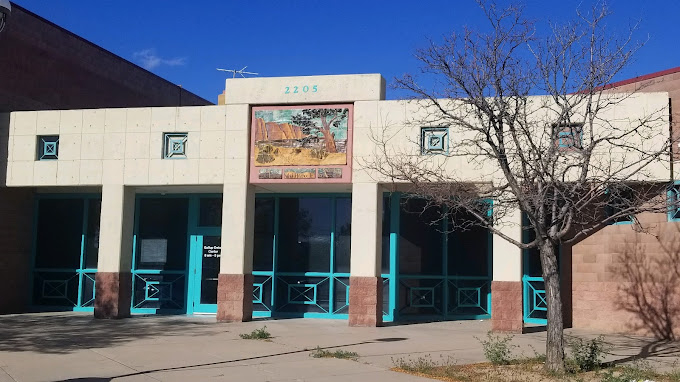
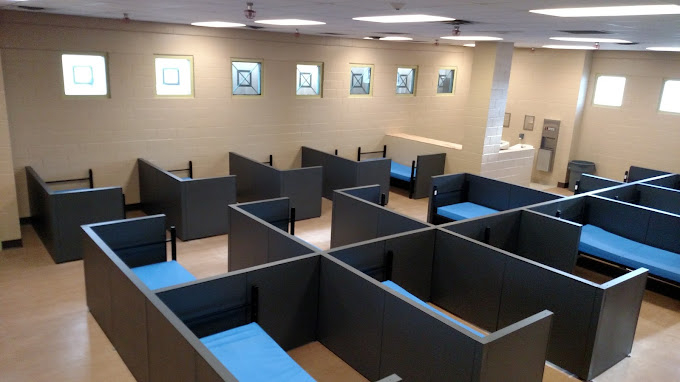
The accessibility of the facility stands out to me, located inside Gallup City limits in easy proximity of community resources. Quarters facilitate safety and privacy, with counseling rooms and common areas for group activities. Basic shelters are also available.
The facility is located near Red Rock Park and the Gallup Cultural Center as well. That way, clients can have opportunities to take in scenic views and local art during breaks in treatment.

Rehab Score
 Our Methodology


Gallery
Other Forms of Payment
Self-pay involves paying for treatment out of your own pocket. You can use savings or credit, get a personal loan, or receive help from family and friends to fund your treatment. If you don't have insurance or your insurance plan doesn't cover a specific program, self-pay can help ensure you still get the care you need.
Financial aid can take many forms. Centers may have grants or scholarships available to clients who meet eligibility requirements. Programs that receive SAMHSA grants may have financial aid available for those who need treatment as well. Grants and scholarships can help you pai for treatment without having to repay.
Addiction Treatments
Levels of Care
Outpatient Programs (OP) are for those seeking mental rehab or drug rehab, but who also stay at home every night. The main difference between outpatient treatment (OP) and intensive outpatient treatment (IOP) lies in the amount of hours the patient spends at the facility. Most of the time an outpatient program is designed for someone who has completed an inpatient stay and is looking to continue their growth in recovery. Outpatient is not meant to be the starting point, it is commonly referred to as aftercare.
Residential treatment programs are those that offer housing and meals in addition to substance abuse treatment. Rehab facilities that offer residential treatment allow patients to focus solely on recovery, in an environment totally separate from their lives. Some rehab centers specialize in short-term residential treatment (a few days to a week or two), while others solely provide treatment on a long-term basis (several weeks to months). Some offer both, and tailor treatment to the patient's individual requirements.
Drug and alcohol addiction often takes a heavy toll on one’s body. Over time, a physical dependence can develop, meaning the body physiologically needs the substance to function. Detox is the process of removing drugs and/or alcohol from the body, a process that can be lethal if mismanaged. Medical detox is done by licensed medical professionals who monitor vital signs and keep you safe, healthy, and as comfortable as possible as you go through detox and withdrawal.
Programs
Adult rehab programs include therapies tailored to each client's specific needs, goals, and recovery progress. They are tailored to the specific challenges adult clients may face, including family and work pressures and commitments. From inpatient and residential treatment to various levels of outpatient services, there are many options available. Some facilities also help adults work through co-occurring conditions, like anxiety, that can accompany addiction.
Young adulthood can be an exciting, yet difficult, time of transition. Individuals in their late teens to mid-20s face unique stressors related to school, jobs, families, and social circles, which can lead to a rise in substance use. Rehab centers with dedicated young adult programs will include activities and amenities that cater to this age group, with an emphasis on specialized counseling, peer socialization, and ongoing aftercare.
Clinical Services
Group therapy sessions in New Mexico are structured and led by professional therapists with experience in leading groups. This ensures that the group discussions are focused and productive and that therapeutic goals are consistently addressed during each session.
Individual therapy offers men and women a customized approach to explore the root causes of their substance use and develop healthy coping mechanisms. This improves the effectiveness of treatment and helps to foster long term sobriety. Sessions usually involve an in depth exploration of your life experiences, including harmful behaviors and thoughts that drive addictive behavior.
Motivational interviewing can help you resolve indecisive feelings and develop the confidence to make changes. It is a short term counseling method that offers empathy and practical support and is often used as part of drug and alcohol rehab in New Mexico.
Rehab.com regularly reviews this listing for accuracy but changes may occur between updates. For the most up-to-date information, please contact Na’nizhoozhi Administration.
Contact Information

2405 Boyd Ave
Gallup, NM 87301
Sponsored Helpline



