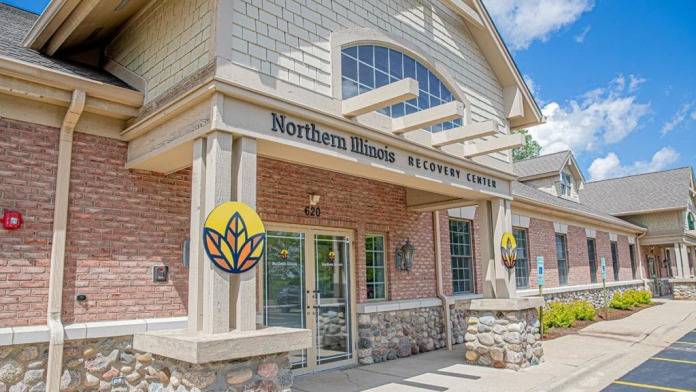
Northern Illinois Recovery Center
1
Top 10 Rehab Centers In Crystal Lake



















































































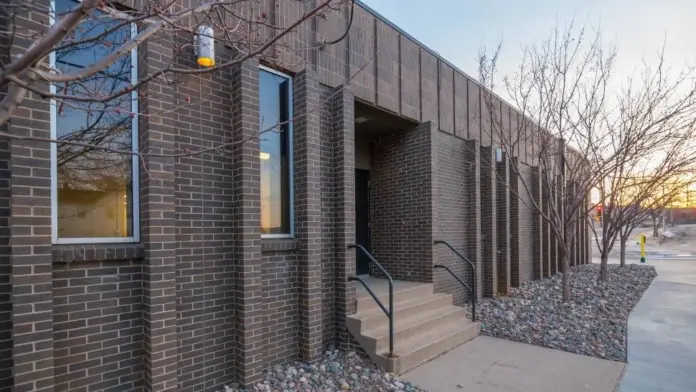
At this rehab center, individuals can expect mission-driven professionals to help them with their substance abuse recovery journey. Although this addiction treatment center only offers an intensive outpatient program (IOP), it includes numerous drug and alcohol treatment services and therapy modalities. Some of what you can expect include the following:
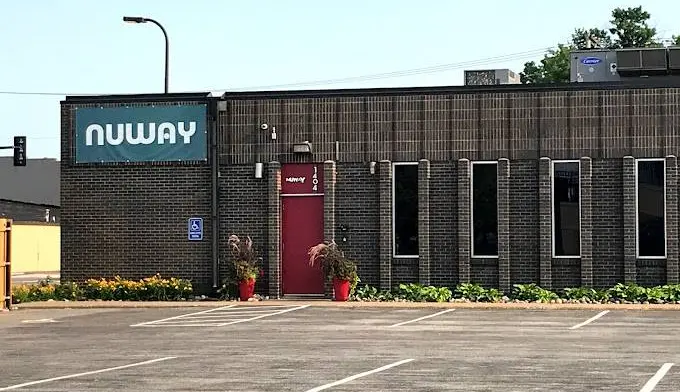
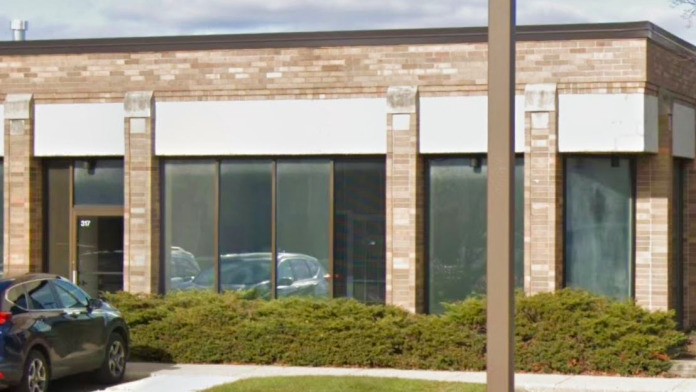
NUWAY – 3Rs Counseling Center provides an intensive outpatient treatment program (IOP) to those needing recovery help. This IOP provides various evidence-based services, including cognitive behavioral therapy, recovery management skills, individual and group counseling, gender-sensitive programming, accelerated resolution therapy, and trauma work. The length of stay for this IOP depends on a client’s recovery needs. Other services include transportation, peer support, and community resources.

 Our Methodology


Private insurance refers to any kind of healthcare coverage that isn't from the state or federal government. This includes individual and family plans offered by an employer or purchased from the Insurance Marketplace. Every plan will have different requirements and out of pocket costs so be sure to get the full details before you start treatment.
Self-pay involves paying for treatment out of your own pocket. You can use savings or credit, get a personal loan, or receive help from family and friends to fund your treatment. If you don't have insurance or your insurance plan doesn't cover a specific program, self-pay can help ensure you still get the care you need.
Financial aid can take many forms. Centers may have grants or scholarships available to clients who meet eligibility requirements. Programs that receive SAMHSA grants may have financial aid available for those who need treatment as well. Grants and scholarships can help you pai for treatment without having to repay.
Intensive Outpatient Programs (IOP) are for those who want or need a very structured treatment program but who also wish to live at home and continue with certain responsibilities (such as work or school). IOP substance abuse treatment programs vary in duration and intensity, and certain outpatient rehab centers will offer individualized treatment programs.
12 step programs support long-term recovery through personal growth. Participants are expected to regularly attend 12 step meetings, which are free, anonymous, and accessible 365 days per year in most communities. They are also mentored by self-selected sponsors who help guide them through the steps of recovery, which are rooted in spiritual principles and designed to foster self-awareness, forgiveness, accountability, and acceptance. Religious affiliation is not required and specialized formats, including age and gender specific meetings, are available.
The goal of treatment for alcoholism is abstinence. Those with poor social support, poor motivation, or psychiatric disorders tend to relapse within a few years of treatment. For these people, success is measured by longer periods of abstinence, reduced use of alcohol, better health, and improved social functioning. Recovery and Maintenance are usually based on 12 step programs and AA meetings.
Drug addiction is defined as an inability to stop using drugs even though it causes negative consequences in your life. Drug rehab in Minnesota provides treatment for drug addiction in a variety of settings including inpatient treatment and outpatient treatment.
Many of those suffering from addiction also suffer from mental or emotional illnesses like schizophrenia, bipolar disorder, depression, or anxiety disorders. Rehab and other substance abuse facilities treating those with a dual diagnosis or co-occurring disorder administer psychiatric treatment to address the person's mental health issue in addition to drug and alcohol rehabilitation.
Opioid rehabs specialize in supporting those recovering from opioid addiction. They treat those suffering from addiction to illegal opioids like heroin, as well as prescription drugs like oxycodone. These centers typically combine both physical as well as mental and emotional support to help stop addiction. Physical support often includes medical detox and subsequent medical support (including medication), and mental support includes in-depth therapy to address the underlying causes of addiction.
Substance rehabs focus on helping individuals recover from substance abuse, including alcohol and drug addiction (both illegal and prescription drugs). They often include the opportunity to engage in both individual as well as group therapy.
Adult rehab programs include therapies tailored to each client's specific needs, goals, and recovery progress. They are tailored to the specific challenges adult clients may face, including family and work pressures and commitments. From inpatient and residential treatment to various levels of outpatient services, there are many options available. Some facilities also help adults work through co-occurring conditions, like anxiety, that can accompany addiction.
Young adulthood can be an exciting, yet difficult, time of transition. Individuals in their late teens to mid-20s face unique stressors related to school, jobs, families, and social circles, which can lead to a rise in substance use. Rehab centers with dedicated young adult programs will include activities and amenities that cater to this age group, with an emphasis on specialized counseling, peer socialization, and ongoing aftercare.
Therapists often use cognitive behavioral therapy in Minnesota to treat substance use disorders because it can help clients quickly identify challenges and ways to cope with them. Its structured, specific methods require fewer sessions than other types of therapy.
Trauma therapy helps you understand and manage your mental, emotional, and physical responses to trauma. Using therapeutic interventions, you learn to reframe the experience, which in turn reduces your anxiety and helps you regain control over your life.
When conducting motivational interviewing in Minnesota, the interviewer encourages clients to discuss their reasons for making changes and their need for change in their lives. The interviewer's role is to listen and reflect, to evoke conversation about commitment to change.
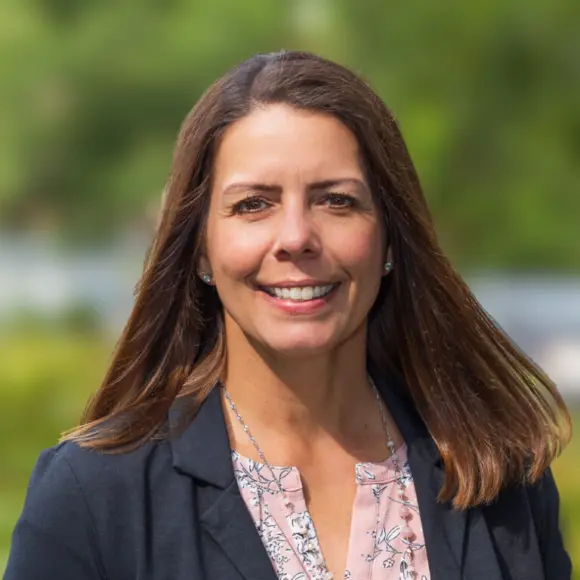
Chief Community Relations Officer
VP, Human Resources & Administration
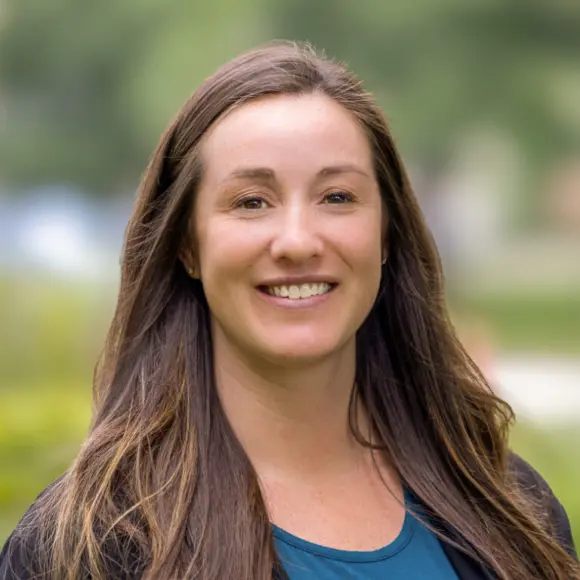
VP, Mental Health Services
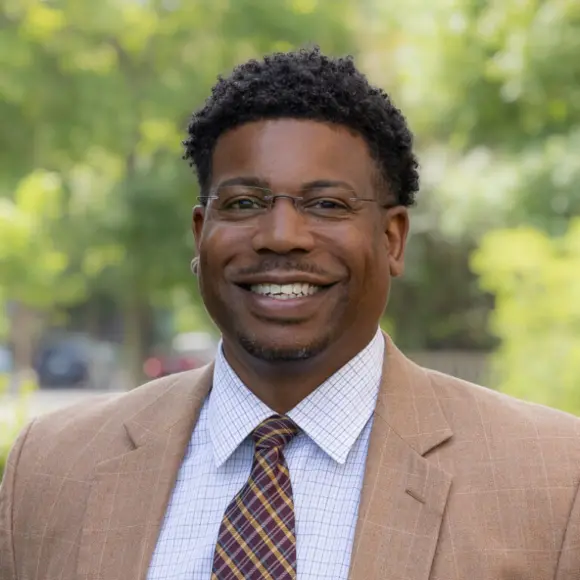
General Counsel and VP of Government Affairs
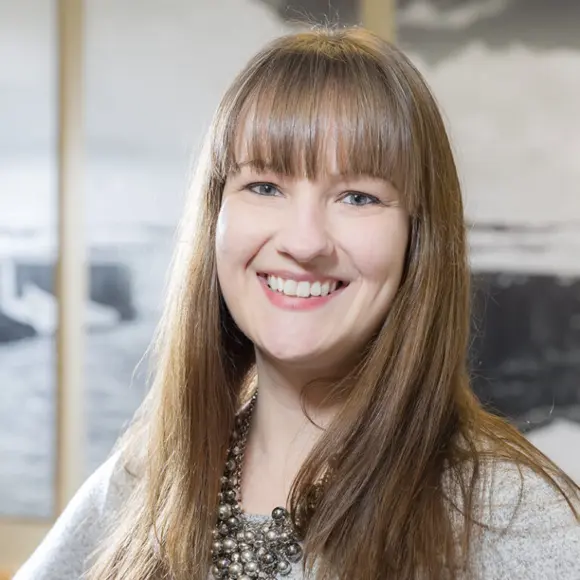
VP, Quality, Training and Compliance

CEO

Vice President, Outpatient Services

The Joint Commission, formerly known as JCAHO, is a nonprofit organization that accredits rehab organizations and programs. Founded in 1951, the Joint Commision's mission is to improve the quality of patient care and demonstrating the quality of patient care.
Joint Commission Accreditation: Yes
Rehab.com regularly reviews this listing for accuracy but changes may occur between updates. For the most up-to-date information, please contact 3R’s NUWAY Counseling Center.

1404 Central Ave NE
Minneapolis, MN 55413
Sponsored Helpline
 Back
Back
Sharing your insights and experiences can help others learn more about this rehab center.
 Written By: Jason Collins