










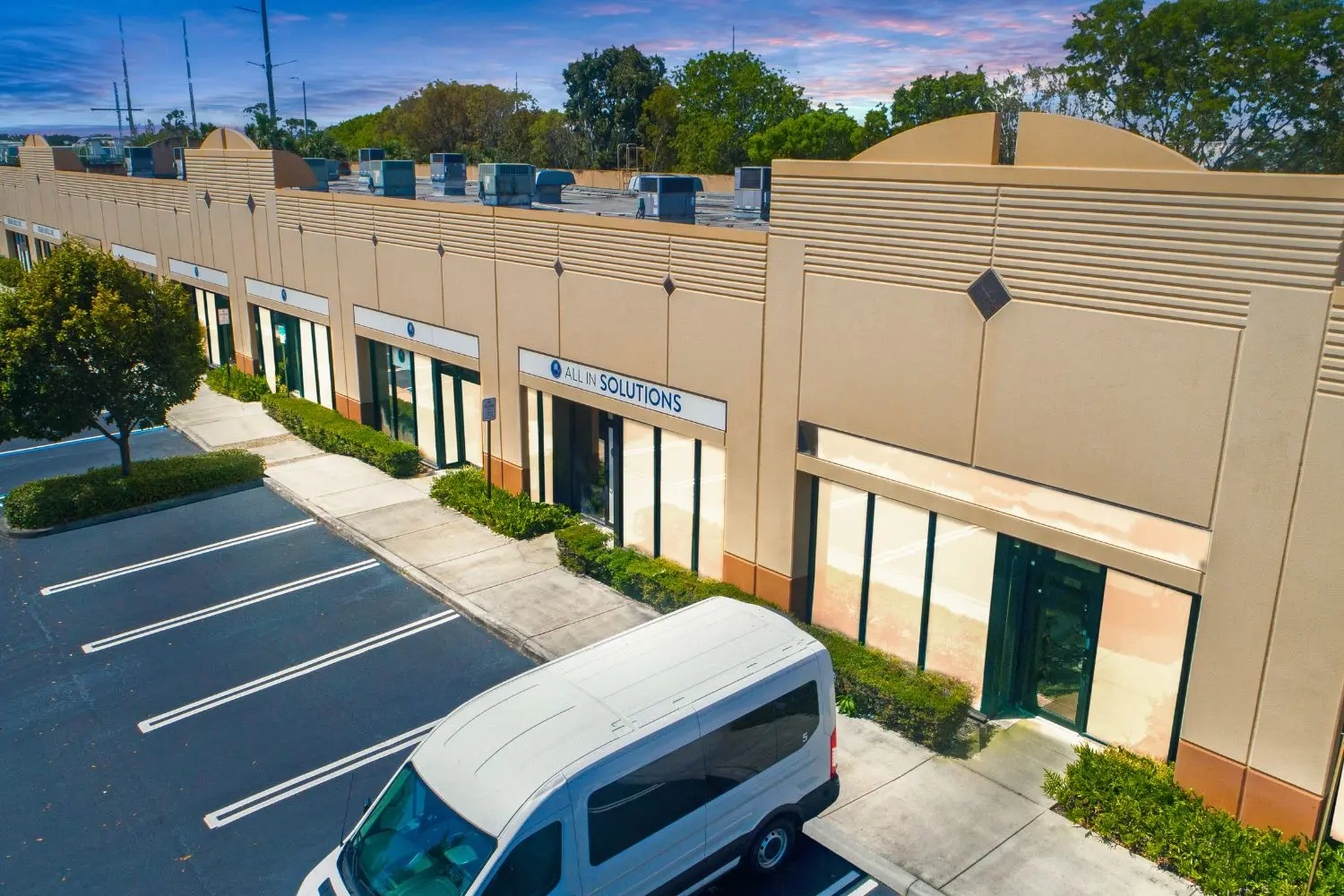
All In Solutions Counseling Center
1
Top 10 Rehab Centers In Boynton Beach



















































































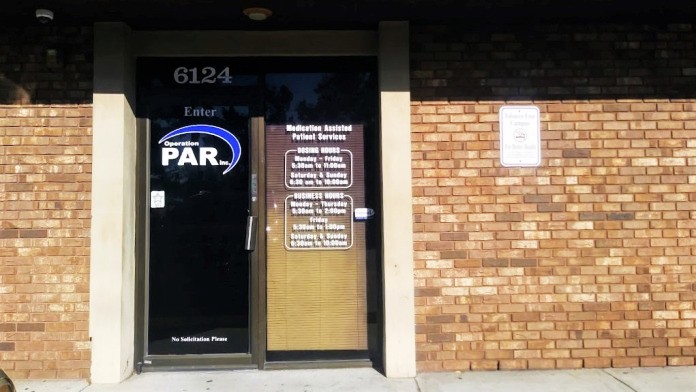
The clinic provides customized outpatient mental health programs for anxiety, depression, PTSD and dual diagnosis disorders. They provide uniquely tailored treatment by creating treatment plans specific to you. They understand that mental health conditions and substance use disorders are frequently linked, which is why their programming includes dual diagnosis treatment that treats both issues together.
Operation PAR has extensive mental health services that include therapy and medication management. These programs are staffed by seasoned professionals who are experienced with treating even the most severe emotional concerns. You’ll receive individual and group therapy, helping you connect with others facing the same problems. If you don’t need inpatient care the clinic also provides outpatient services. This lets you receive addiction medication while going about your daily life and still receiving the help you need.
They offer individual, group and family counseling for youth and adults. They also offer female specific services that recognize that there are gender specific aspects to addiction recovery. Operation PAR also personalizes its programs, which is one of the reasons they can help so many people. They work with you where you are at and set about revising the treatment plan as necessary to ensure maximum potential for recovery success.

 Our Methodology


Private insurance refers to any kind of healthcare coverage that isn't from the state or federal government. This includes individual and family plans offered by an employer or purchased from the Insurance Marketplace. Every plan will have different requirements and out of pocket costs so be sure to get the full details before you start treatment.
Medicaid is a state based program that helps lower-income individuals and families pay for healthcare. Medicaid covers addiction treatment so those enrolled can use their coverage to pay for rehab. When a program accepts Medicaid the client often pays very little or nothing out of their own pocket.
Outpatient Programs (OP) are for those seeking mental rehab or drug rehab, but who also stay at home every night. The main difference between outpatient treatment (OP) and intensive outpatient treatment (IOP) lies in the amount of hours the patient spends at the facility. Most of the time an outpatient program is designed for someone who has completed an inpatient stay and is looking to continue their growth in recovery. Outpatient is not meant to be the starting point, it is commonly referred to as aftercare.
Clients typically choose inpatient rehab when they are in early recovery or are experiencing a crisis that puts them at an increased risk of relapse. They reside at the treatment center for the length of their program, which may range from two weeks to more than 18 months, depending on the program design. Intensive psychotherapy is often the primary treatment modality, but clients in inpatient care may also receive holistic treatment and recovery-focused life skills training.
24-hour clinical care in Florida is an essential part of treatment, particularly with medical detox. Withdrawal symptoms can be severe, and supervised detox provides around the clock access to medical professionals who can adminsiter proper medications and treatment to address these symptoms and step in should an emergency occur. This intensive clinical care will help curb the withdrawal effects, minimize substance dependence, and prepare you for the next step of treatment.
If a person with a substance use disorder continually denies their problem or refuses to get treatment, a drug intervention in Florida may be necessary. Intervention services can help mediate the intervention by providing an addiction expert. This professional can de-escalate situations and facilitate a healthier discussion between the individual and their loved ones. Specialists can also help families handle issues they don't know how to navigate on their own.
Drug and alcohol addiction often takes a heavy toll on one's body. Over time, a physical dependence can develop, meaning the body physiologically needs the substance to function. Detox is the process of removing drugs and/or alcohol from the body, a process that can be lethal if mismanaged. Medical detox is done by licensed medical professionals who monitor vital signs and keep you safe, healthy, and as comfortable as possible as you go through detox and withdrawal.
Opioid rehabs specialize in supporting those recovering from opioid addiction. They treat those suffering from addiction to illegal opioids like heroin, as well as prescription drugs like oxycodone. These centers typically combine both physical as well as mental and emotional support to help stop addiction. Physical support often includes medical detox and subsequent medical support (including medication), and mental support includes in-depth therapy to address the underlying causes of addiction.
Substance rehabs focus on helping individuals recover from substance abuse, including alcohol and drug addiction (both illegal and prescription drugs). They often include the opportunity to engage in both individual as well as group therapy.
Group therapy provides a safe and supportive environment for people in Florida who are struggling with drug addiction. There you can openly discuss the challenges and progress you're making without fear of judgment from your peers who experience many of the same things you are.
In individual therapy, a patient meets one-on-one with a trained psychologist or counselor. Therapy is a pivotal part of effective substance abuse treatment, as it often covers root causes of addiction, including challenges faced by the patient in their social, family, and work/school life.
Recreational therapy helps you recover from addiction by giving you structured activities that promote your physical health and mental well being. These activities could range from sports and fitness to creative arts and provide a constructive outlet for your emotions and stress.
Types of creative arts therapy in Florida include playing music, writing poetry, journaling, dancing, painting, and sculpting. These expressive activities can help you process emotions and work through challenges with the guidance of a creative arts therapist.
 Private Setting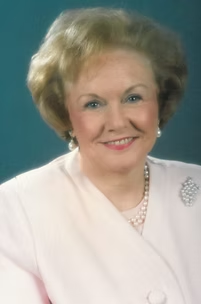
Founder and Mentor

The Commission on Accreditation of Rehabilitation Facilities (CARF) is a non-profit organization that specifically accredits rehab organizations. Founded in 1966, CARF's, mission is to help service providers like rehab facilities maintain high standards of care.
CARF Accreditation: Yes
Rehab.com regularly reviews this listing for accuracy but changes may occur between updates. For the most up-to-date information, please contact Operation PAR.

6124 South Tamiami Trail
Sarasota, FL 34231
Sponsored Helpline

After 10 years of sobriety due to the help of this clinic only to be kicked out one morning without notice because of a miss communication with an EXTREMELY inexperienced new counselor and rude male staff. Not only did they put my sobriety at risk ,but spread false rumors to other clinics.. I’m extremely concerned for anyone who thinks about going here for treatment. Aside from being terminated without reason the staff is very intimidating and counselors are inexperienced and they quit after 6 months as well as the Doctors. I’m devastated speechless and disappointed as I’m autistic ,bipolar, and suffer from PTSD,Severe Depression Severe Anxiety,Agoraphobia… hopefully I survive

I think they do a very good job, they are great treat everyone equal, very professional. Dave, Mike, Jamie, Shelby, Alana, April, Kevin all are very friendly and go above just dosing needs. They help solve problems on a human level. They go far and beyond expectations

There are better methadone and suboxone clinics in the area such as New Season's. This one is more expensive, petty, with horrible nursing staff one of the men nurses there and his supervisor are God awful and couldn't care less about their patients or keeping patients. If you want take homes, new seasons gives them to you twice as quickly and greater amounts and they actually care about you.

One of the best facilities in Florida with a outstanding staff an doctor. EVERYONE there is GREAT!!!
 Back
Back
Sharing your insights and experiences can help others learn more about this rehab center.
 Written By: Rockel Mundy

