










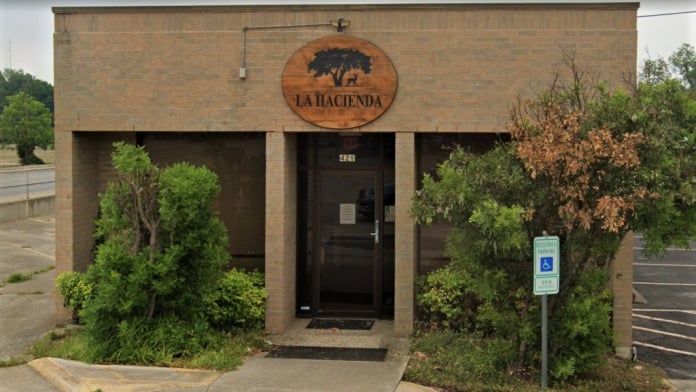
La Hacienda Treatment Center
1
Top 10 Rehab Centers In Hunt




















































































Opportunity Center for the Homeless is a nonprofit homeless services organization in El Paso, Texas offering substance use support embedded within emergency shelter and stabilization services.
Its Men’s Resource Center on Myrtle Avenue pairs overnight shelter and basic needs with substance abuse counseling and case management as well as referrals. As a barrier free 24 hour hub it welcomes homeless men who often face co-occurring mental health and substance use challenges.
The Men’s Resource Center provides substance abuse counseling and drug screening, needs assessment, case management, and referrals through a partnership with Aliviane Inc.
The center also offers WRAP (Wellness Recovery Action Plan) which is an eight-week evidence-based wellness and prevention program with intense case management and crisis planning, life skills, support groups, and peer support.
The Men’s Resource Center serves homeless men in the Paso del Norte region including those living with mental illness and physical disabilities, behavioral disorders, and substance use issues.
The broader organization also supports women and veterans, families, and elderly clients through affiliated programs on its network.
The Men’s Resource Center is at 1208 Myrtle Avenue in El Paso serving clients experiencing homelessness throughout the Paso del Norte region.
On-site medical care is available through a partnership clinic with four examination rooms and an in-house pharmacy.

 350
350 
 Our Methodology


 Free
FreeSelf-pay involves paying for treatment out of your own pocket. You can use savings or credit, get a personal loan, or receive help from family and friends to fund your treatment. If you don't have insurance or your insurance plan doesn't cover a specific program, self-pay can help ensure you still get the care you need.
24-hour clinical care in Texas provides a safe environment for medical detox. This setting is crucial to provide medical care during withdrawal. Certain withdrawal symptoms can cause life-threatening conditions, but patients in a supervised clinical setting have treatment readily available to address any symptoms before they become severe. Treatment can also be provided for co-occurring physical and mental health issues.
Inpatient rehab programs are geared toward clients in early recovery. They also provide intensive support for clients in crisis and those at an increased relapse risk. Clients receive housing and meals while in inpatient care, allowing them to focus solely on their recovery. Most programs prioritize addiction counseling but may draw on various psychotherapeutic modalities, including CBT, DBT, RBT, trauma therapy, and motivational interviewing. Life skills training and holistic therapies are also common in inpatient care.
After completing some form of inpatient care, many clients transition or step down to an outpatient rehab, while some choose to transition from detox directly into outpatient care. High-intensity outpatient programming, including partial hospitalization (PHP) and intensive outpatient (IOP) is widely available for clients in early recovery, those leaving detox, and those at an elevated relapse risk. Clients in outpatient care generally engage in robust addiction counseling and recovery education, and some also receive medication assisted treatment (MAT).
Alcoholism occurs when a person becomes physically and psychologically dependent on alcohol. Attending a professional alcohol rehab in Texas can provide customized intervention methods to address the physical, mental, and relational challenges of addiction.
During rehab in Texas, you'll deal with underlying issues that contribute to addiction. By addressing these challenges and learning healthy ways to cope with them, you'll develop strategies that help you live a drug-free lifestyle.
 Opioid Addiction
Substance abuse treatment is available in Texas for anyone who's struggling with drug or alcohol addiction. These programs usually provide a comprehensive assessment and individualized treatment plan, and include evidence-based treatments, like therapies such as cognitive-behavioral therapy (CBT) to reframe unhelpful coping strategies, and dialectical behavior therapy (DBT) to help with emotional regulation and stress.
Texas's specialized dual-diagnosis addiction treatment programs prioritize comprehensive care for individuals with co-occurring substance use disorders and mental health conditions. These programs offer diverse levels of care, including outpatient, inpatient, and partial hospitalization options. Evidence-based therapies, trauma-informed care, group work, and educational workshops help treat both conditions at the same time and give you the tools to sustain mental health and sobriety.
With a co-occurring drug or alcohol addiction and a mental health disorder, you'll want to seek out a dual diagnosis treatment center. These specialized rehabs offer services to address both conditions at the same time, including 24/7 access to medical and mental health professionals. By treating both disorders at the same time, it drastically increases your chances of successful long-term recovery.
Serving in the military is both mentally and physically challenging, and can result in trauma that persists even after combat ends. Military programs are tailored to the specific and often complex needs of active duty personnel, veterans, and military families. Clients often access these programs through the U.S. Department of Veterans Affairs (VA).
The goal of cognitive behavioral therapy (CBT) in Texas is to change thought patterns, which leads to changes in behavior. Specific techniques during CBT can include self talk, SMART goals, journaling, and positive activities.
Treatment that takes a dialectical behavior therapy approach focuses on four strategies. Distress tolerance will help you accept and tolerate intense emotions. Emotional regulation will teach you to manage those emotions. Mindfulness will keep you in the present moment instead of regret or worry. Interpersonal effectiveness will teach you to manage your relationships.
Individual therapy offers you a confidential space to address the complexities of your drug or alcohol addiction. Your therapist guides these personalized sessions to help develop self awareness and manage stress. This promotes sustained sobriety and overall well being.
Peer support is an important aspect of group therapy sessions for drug and alcohol addiction. As you and your peers share stories and encourage each other, it fosters a sense of community and belonging that helps you process your feelings and reduces the sense of isolation that is associated with addiction.
Rehab.com regularly reviews this listing for accuracy but changes may occur between updates. For the most up-to-date information, please contact Opportunity Center for the Homeless.

1208 Myrtle Ave, El Paso, TX 79901
Sponsored Helpline

This place is a facade. The only reputable staff member is a REALLY nice, beautiful black lady. She goes out of her way to make a person feel comfortable. She picks up the slack that the other "ladies" fail to mention to certain people not of their ethnic group or clique. Yes, this is more like a boarding house where 1 black and 2 white females were placed in the kitchen area, on the floor, near a door that led to the back, remained unlocked and slammed shut Everytime someone went outside to smoke. Try getting sleep next to that along with the chitter chatter all hours of the night. Noone has consideration for anyone but themselves. Maria, who is supposed to be in charge, answers a plea for clothing by saying "we don't have clothing donations anymore". Straight up LIE. No assistance with hygiene either. Racism and discrimination exists within people who are hired, even if the business claims they don't. Since ALL shelters are FULL, this is the first drop from the recently closed Welcome Center. There is open drug use right outside of the facility from the back and the front. What goes on inside is NOT picturesque of their "mission".

Beds creak and are lumpy maids are not very attentive food was bland servers were mean.

Great for water, supplies, laundry, food, coffee and bathrooms/showers. Also can use it as a mailing address.

Please stay away from this place
 Back
Back
Sharing your insights and experiences can help others learn more about this rehab center.
 Written By: Kimberly Hawkins
MSc
Written By: Kimberly Hawkins
MSc


