





























































































About Shalom House Ministries
Shalom House Ministries is a faith based residential recovery program in Belton, South Carolina dedicated to helping men find freedom from drug and alcohol addiction through a Christ centered approach.
The program offers long term structured residential treatment with phased progression, counseling, and spiritual formation. Rooted in discipleship and accountability, Shalom House emphasizes lasting life transformation rather than short term stabilization.
Long Term Residential Sober Living With Discipleship
Shalom House provides a long-term residential program structured in phases, guiding men from early sobriety and stability through increasing levels of responsibility and independence.
The program is not a medical detox facility, so residents typically enter ready to engage in structured recovery and community living on campus. Throughout the program, men participate in counseling alongside Bible studies, chapel services, and discipleship activities.
Work therapy and life-skills training are also integrated to help residents prepare for independent living after completing the program.
What to Know About Shalom House Ministries
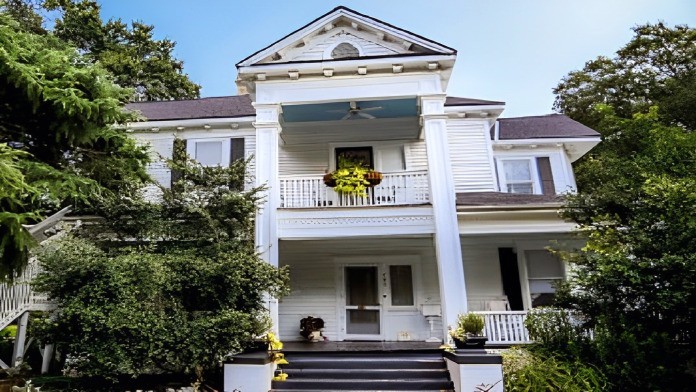
- Location: Belton, South Carolina, situated on a peaceful rural campus on Blake Dairy Road.
- Levels of care: Long-term, phased residential recovery program.
- Who they treat: Adult men struggling with drug and alcohol addiction.
- Approach: Christ-centered, faith-based recovery combining clinical counseling, spiritual formation, and life-skills development.
- Setting: On-campus residential living in a structured, community-focused environment.
Facility Overview
 11
11 Latest Reviews



Rehab Score
 Our Methodology


Gallery
Other Forms of Payment
Private insurance refers to any kind of healthcare coverage that isn't from the state or federal government. This includes individual and family plans offered by an employer or purchased from the Insurance Marketplace. Every plan will have different requirements and out of pocket costs so be sure to get the full details before you start treatment.
Self-pay involves paying for treatment out of your own pocket. You can use savings or credit, get a personal loan, or receive help from family and friends to fund your treatment. If you don't have insurance or your insurance plan doesn't cover a specific program, self-pay can help ensure you still get the care you need.
Addiction Treatments
Levels of Care
Residential treatment programs are those that offer housing and meals in addition to substance abuse treatment. Rehab facilities that offer residential treatment allow patients to focus solely on recovery, in an environment totally separate from their lives. Some rehab centers specialize in short-term residential treatment (a few days to a week or two), while others solely provide treatment on a long-term basis (several weeks to months). Some offer both, and tailor treatment to the patient's individual requirements.
A sober living home in South Carolina is a substance-free environment for individuals who are recovering from drug or alcohol abuse. Since these settings do not provide treatment services, they are not covered by insurance. However, your treatment provider may be able to offer financial support if you need assistance with rent payment. They may also refer you to a men's or women's sober living home that offers sliding scale fees.
24-hour clinical care in South Carolina is designed to protect those in recovery from health risks of withdrawal. For example, opioid withdrawal can cause vomiting and diarrhea that results in a life-threatening level of dehydration. Withdrawal from benzodiazepines can cause seizures which can be fatal. To avoid these risks, supervised medical detox is recommended. Under this care, medical professionals constantly monitor patients to ensure a safe detox process.
Treatments
Substance rehabs focus on helping individuals recover from substance abuse, including alcohol and drug addiction (both illegal and prescription drugs). They often include the opportunity to engage in both individual as well as group therapy.
Alcoholism is characterized by a lack of control over drinking habits, use of alcohol despite negative consequences, and preoccupation with alcohol. Often, alcohol use disorder occurs simultaneously with other mental health disorders. If you have a co-occurring disorder, it is important to get treatment for both. Alcohol rehab in South Carolina can provide this dual diagnosis treatment through inpatient or outpatient care.
Choosing a drug rehab in South Carolina helps you overcome drug dependency, learn how to manage cravings, and obtain the tools needed to prevent relapse. This is accomplished through individualized treatment that addresses a full spectrum of physical, social, and emotional needs.
Programs
Adult rehab programs include therapies tailored to each client's specific needs, goals, and recovery progress. They are tailored to the specific challenges adult clients may face, including family and work pressures and commitments. From inpatient and residential treatment to various levels of outpatient services, there are many options available. Some facilities also help adults work through co-occurring conditions, like anxiety, that can accompany addiction.
Young adulthood can be an exciting, yet difficult, time of transition. Individuals in their late teens to mid-20s face unique stressors related to school, jobs, families, and social circles, which can lead to a rise in substance use. Rehab centers with dedicated young adult programs will include activities and amenities that cater to this age group, with an emphasis on specialized counseling, peer socialization, and ongoing aftercare.
Rehabs for women provide a safe, nurturing space for female clients to heal. These treatment programs consider the specific obstacles that women can face during recovery and place a special emphasis on mental, social, physical, and reproductive health. They explore how each woman's experience has shaped the trajectory of their substance use, addressing issues such as sexual abuse and past trauma.
Clinical Services
Group therapy is any therapeutic work that happens in a group (not one-on-one). There are a number of different group therapy modalities, including support groups, experiential therapy, psycho-education, and more. Group therapy involves treatment as well as processing interaction between group members.
In individual therapy, a patient meets one-on-one with a trained psychologist or counselor. Therapy is a pivotal part of effective substance abuse treatment, as it often covers root causes of addiction, including challenges faced by the patient in their social, family, and work/school life.
The main basis of cognitive behavioral therapy in South Carolina is that all your thoughts, feelings, and behaviors are interconnected. Therefore, the therapist will help you change your thoughts, which will lead to different emotions and actions.
Amenities
-
 Residential Setting
 -
 Private Rooms
Staff
Stacey Carroll
Director

Melody Chambers
Chair
Jennifer Wilson
Secretary
Kevin Hoyle, MA
Treasurer
Rehab.com regularly reviews this listing for accuracy but changes may occur between updates. For the most up-to-date information, please contact Shalom House Ministries.
Contact Information


349 Blake Dairy Road
Belton, SC 29627
Sponsored Helpline

