





























































































I love SOLSTICE! They save my life, taught me how to live a sober life and left me with the tools I need to continue my recovery. I and my family are forever grateful. Thank you!
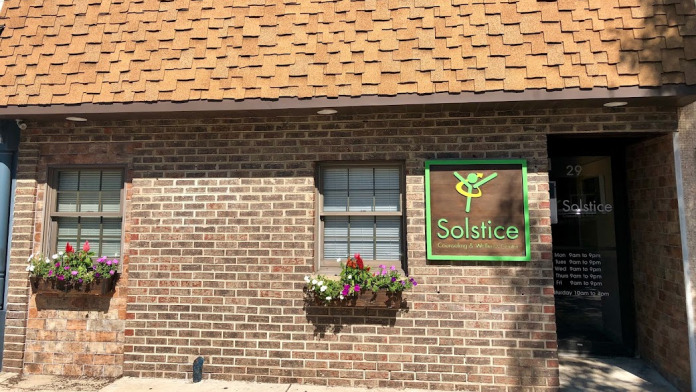
About Solstice Counseling & Wellness Center
You can be referred to this facility by a mental health care worker or you can simply call the facility and make an appointment for yourself. Your intake assessment will be given by a board-certified psychiatrist. You will have progress meetings with the psychiatrist throughout your treatment.
They offer an intensive outpatient program in which you will come in several times a week for a few hours a day. The standard outpatient program offers treatment once or twice a week for an hour. Although it varies, treatment is normally 16 weeks long. They have both day and evening hours.
They use evidence based therapy for group and individual sessions. They also provide unconventional treatments such as art therapy and yoga. One unusual thing about this place is that they also offer writing therapy.
Art therapy allows you the opportunity to create pieces that express the way you feel about your substance use. Yoga will give you a way to feel at peace without the use of substances. Writing down your feelings about your life can help you and your therapist understand what caused you to take drugs in the first place.
Latest Reviews
Solstice saved my life. Colleen is the most valuable, wonderful, caring counselor. I stayed because she guided me confidently in the direction of my dreams. Shout out to: Natalie, Nicole, and, Morgan !! Morgan helped my wife immensely in therapy. Natalie (Paris) drove me to/from group and was always there for me. Nicole is the glue. Lindsay is so educated. Alec & Brandi will make great counselors one day and are so great running group. I met so many friends. I got to learn to be my authentic self and work through my traumas. We got sober together and we stay sober together. No matter what!!!! 💖 thank you ALL!!!
We’re so grateful you felt supported by Colleen, Natalie, Nicole, Morgan, and the rest of the team. Creating a welcoming treatment environment where meaningful connections, peer support, and personal growth can happen is something we care deeply about. Thank you again for your trust, your kind words, and for sharing your recovery journey with our New Jersey recovery community.
Response from the owner1 week ago
Thank you so much for this incredibly heartfelt review, Caroline. Reading about the impact our counselors, group facilitators, and recovery support staff had on your journey truly means the world to us. At Solstice Counseling & Wellness Centers, our mission is to provide compassionate outpatient addiction treatment and behavioral health services that help individuals build healthier, more fulfilling lives and long-term recovery support systems.We’re so grateful you felt supported by Colleen, Natalie, Nicole, Morgan, and the rest of the team. Creating a welcoming treatment environment where meaningful connections, peer support, and personal growth can happen is something we care deeply about. Thank you again for your trust, your kind words, and for sharing your recovery journey with our New Jersey recovery community.
I am eternally grateful for Solstice. The program was instrumental in my recovery. I was able to make new connections and establish meaningful relationships with the community and counselors. Morgan was my counselor and she helped me with so many of my issues. She is a wonderful person and an extremely supportive and knowledgeable therapist. Colleen was also a powerhouse and a huge advocate and supporter. I also want to recognize Sly, Alec & Mike. Thank you for your hard work and dedication. It shows. I highly recommend this program to anyone who needs help. Thank you for everything you’ve done for me and my family. Thank you for helping me on my path to recovery.
Response from the owner1 week ago
❤️
Colleen is one of the best counselors at Solstice. She always makes everyone in group feel super comfortable and always finds a way to make it fun and interesting.

Rehab Score
 Our Methodology
Scoring is assigned by a proprietary system which helps surface key metrics that determine quality. The 10-point scale factors in categories such as operations, customer satisfaction, and trust metrics. Read Full Methodology

7.5 / 10
Gallery
Accepted Insurance

Horizon Blue Cross Blue Shield
Other Forms of Payment
Private insurance refers to any kind of healthcare coverage that isn't from the state or federal government. This includes individual and family plans offered by an employer or purchased from the Insurance Marketplace. Every plan will have different requirements and out of pocket costs so be sure to get the full details before you start treatment.
Self-pay involves paying for treatment out of your own pocket. You can use savings or credit, get a personal loan, or receive help from family and friends to fund your treatment. If you don't have insurance or your insurance plan doesn't cover a specific program, self-pay can help ensure you still get the care you need.
Military members, veterans, and eligible dependents have access to specific insurance programs that help them get the care they need. TRICARE and VA insurance can help you access low cost or no cost addiction and mental health treatment. Programs that accept military insurance often have targeted treatment focused on the unique challenges military members, veterans, and their families face.
Medicaid is a state based program that helps lower-income individuals and families pay for healthcare. Medicaid covers addiction treatment so those enrolled can use their coverage to pay for rehab. When a program accepts Medicaid the client often pays very little or nothing out of their own pocket.
Addiction Treatments
Levels of Care
Outpatient Programs (OP) are for those seeking mental rehab or drug rehab, but who also stay at home every night. The main difference between outpatient treatment (OP) and intensive outpatient treatment (IOP) lies in the amount of hours the patient spends at the facility. Most of the time an outpatient program is designed for someone who has completed an inpatient stay and is looking to continue their growth in recovery. Outpatient is not meant to be the starting point, it is commonly referred to as aftercare.
Intensive Outpatient Programs (IOP) are for those who want or need a very structured treatment program but who also wish to live at home and continue with certain responsibilities (such as work or school). IOP substance abuse treatment programs vary in duration and intensity, and certain outpatient rehab centers will offer individualized treatment programs.
Clients in a rehab aftercare program have typically completed detox and intensive inpatient and are medically stable. These programs are designed to address addiction recovery as a life-long process. Outpatient counseling and recovery education are typically categorized as drug rehab aftercare, but many clients continue to receive support after being discharged from formal outpatient treatment. Case managers and recovery teams facilitate clients' access to peer coaching, career counseling, 12 step program induction, and related services.
Participants in 12 step programs engage in a rigorous process of personal growth as a cornerstone of long-term recovery. They are expected to attend anonymous, peer-led 12 step meetings, which are free, open to the public, and available multiple times per day in most communities. Though these programs are rooted in spiritual principles, religious affiliation is not required. Self-selected peer sponsors mentor participants as they work through the 12 steps, learning forgiveness, understanding, acceptance, and accountability.
A drug intervention in New Jersey is more than a confrontational conversation. This organized effort is specific and goal-oriented. During the intervention, family members share specific examples of how the person's addiction has impacted their lives and spell out what they will do if the individual does not get treatment. The intervention also presents a clear treatment plan, which typically involves input from intervention services.
A medical detox is the safest way to wean your body off addictive substances. When you become physically dependent on alcohol or drugs, quitting abruptly can cause a host of challenging and uncomfortable withdrawal symptoms. In medically assisted detox, a team of medical professionals will be on hand to monitor any symptoms, to provide medication if possible, and to help keep you as safe and as comfortable as possible throughout this process.
Treatments
The goal of treatment for alcoholism is abstinence. Those with poor social support, poor motivation, or psychiatric disorders tend to relapse within a few years of treatment. For these people, success is measured by longer periods of abstinence, reduced use of alcohol, better health, and improved social functioning. Recovery and Maintenance are usually based on 12 step programs and AA meetings.
Drug rehab in New Jersey is the process of addressing the complex issues involved with addiction. Challenges are identified and addressed through individual and group counseling. Participants learn how to manage these issues without the use of substances.
Many of those suffering from addiction also suffer from mental or emotional illnesses like schizophrenia, bipolar disorder, depression, or anxiety disorders. Rehab and other substance abuse facilities treating those with a dual diagnosis or co-occurring disorder administer psychiatric treatment to address the person's mental health issue in addition to drug and alcohol rehabilitation.
Mental health rehabs focus on helping individuals recover from mental illnesses like bipolar disorder, clinical depression, anxiety disorders, schizophrenia, and more. Mental health professionals at these facilities are trained to understand and treat mental health issues, both in individual and group settings.
Substance rehabs focus on helping individuals recover from substance abuse, including alcohol and drug addiction (both illegal and prescription drugs). They often include the opportunity to engage in both individual as well as group therapy.
Programs
Adult rehab programs include therapies tailored to each client's specific needs, goals, and recovery progress. They are tailored to the specific challenges adult clients may face, including family and work pressures and commitments. From inpatient and residential treatment to various levels of outpatient services, there are many options available. Some facilities also help adults work through co-occurring conditions, like anxiety, that can accompany addiction.
Young adulthood can be an exciting, yet difficult, time of transition. Individuals in their late teens to mid-20s face unique stressors related to school, jobs, families, and social circles, which can lead to a rise in substance use. Rehab centers with dedicated young adult programs will include activities and amenities that cater to this age group, with an emphasis on specialized counseling, peer socialization, and ongoing aftercare.
Clinical Services
Group therapy is any therapeutic work that happens in a group (not one-on-one). There are a number of different group therapy modalities, including support groups, experiential therapy, psycho-education, and more. Group therapy involves treatment as well as processing interaction between group members.
Motivational interviewing helps clients find their motivation to change. It can be an effective method to work with clients who are angry or hostile or feel insecure about their ability to make changes in their lives. It is often used during addiction treatment or to manage physical health conditions.
Trauma therapy provides a structure to approach healing from past traumatic events that you may have witnessed or experienced. Your therapist will work with you to identify and process these memories. This helps promote a sense of safety and stability and helps you heal emotionally.
Research clearly demonstrates that recovery is far more successful and sustainable when loved ones like family members participate in rehab and substance abuse treatment. Genetic factors may be at play when it comes to drug and alcohol addiction, as well as mental health issues. Family dynamics often play a critical role in addiction triggers, and if properly educated, family members can be a strong source of support when it comes to rehabilitation.
Life skills trainings involve all the skills a person must have in order to function successfully in the world. These include time management, career guidance, money management, and effective communication. Truly successful addiction recovery is based on the ability to not only live substance-free, but to thrive. Life skills teaches the practical necessities of functioning in society, which sets clients up for success in life, and therefore sobriety.
The main types of creative arts therapy in New Jersey are dance, art, drama, and music. Through creative processes and active art making, this treatment provides a safe setting free of judgment for participants to explore and express their challenging thoughts and emotions.
Experiential therapy is designed to help you access creativity and analyze your motivations, emotions, and reactions to situations. With the help of your therapist, you'll reflect on your experiences to work through previous hurts or trauma and learn how to make good decisions in the future.
Amenities
-
 Private Setting
Staff & Accreditations
Staff
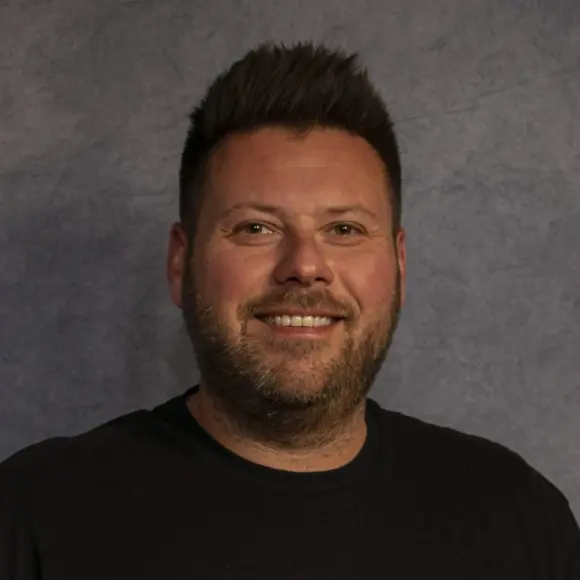
Michael Mandale
CEO
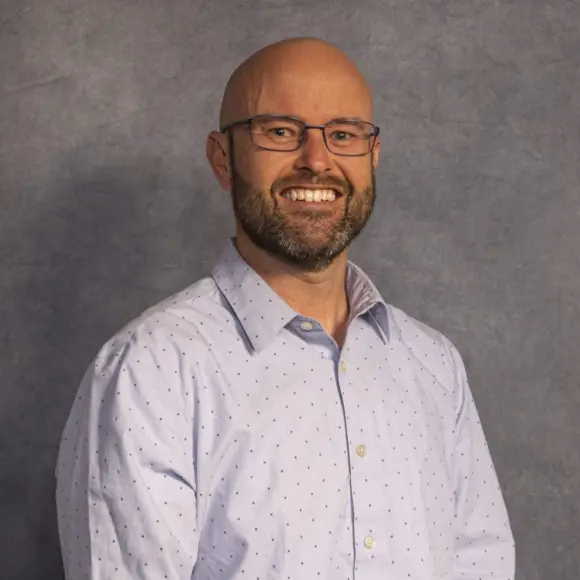
David Borek, LPC, LCADC, ACS
Clinical Director

Joseph Ranieri, DO
Medical Director
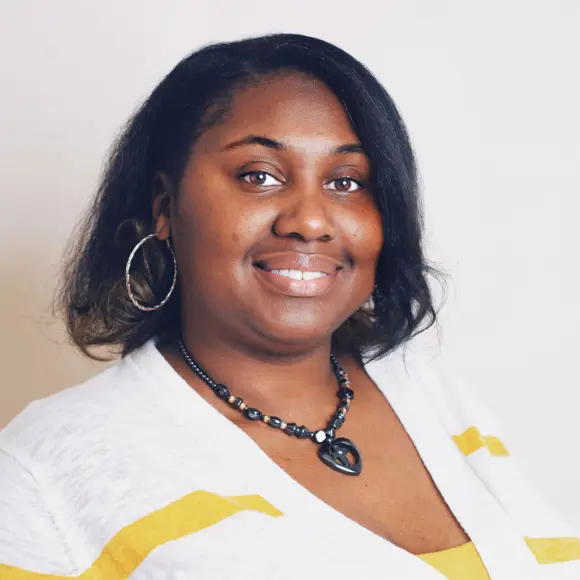
Alisia Claitt
Administrative Care Coordinator
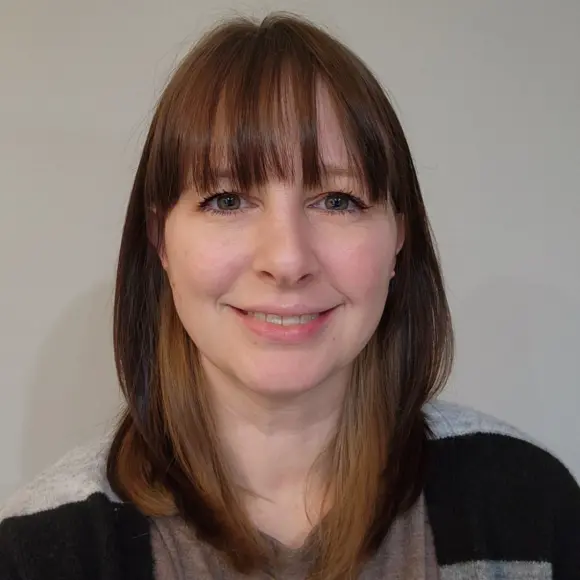
Brandi Wren
Intake Supervisor

Angelina Radice, LPC, LCADC, CCS
Clinical Supervisor for Drug & Alcohol Use Counselor
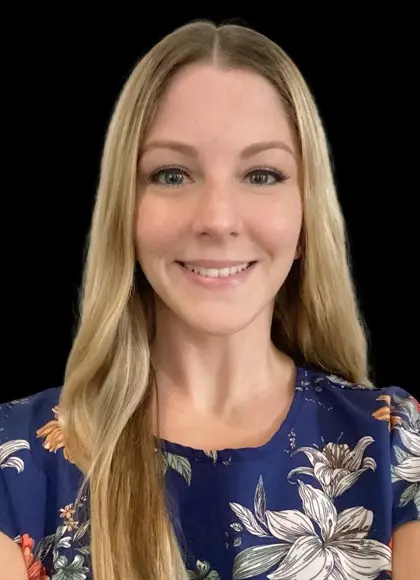
Sydney Dickerson, LCADC, LSW, CCS
Clinical Supervisor for Drug & Alcohol Use Counselor
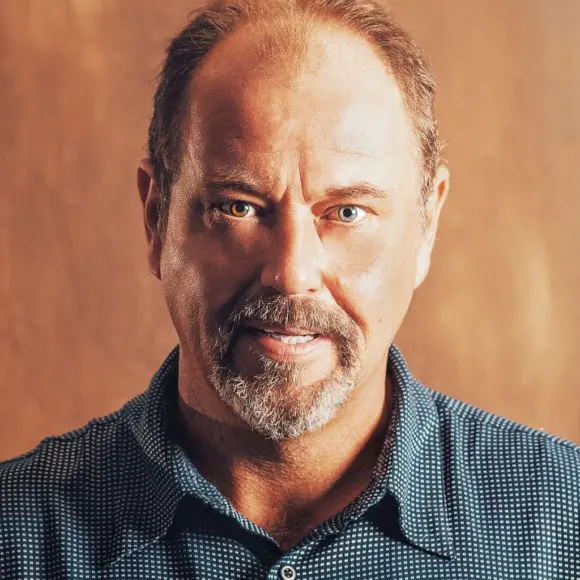
Paul Carberry, LPC
Drug & Alcohol Use Counselor
Accreditations

The Commission on Accreditation of Rehabilitation Facilities (CARF) is a non-profit organization that specifically accredits rehab organizations. Founded in 1966, CARF's, mission is to help service providers like rehab facilities maintain high standards of care.
CARF Accreditation: Yes
Rehab.com regularly reviews this listing for accuracy but changes may occur between updates. For the most up-to-date information, please contact Solstice Counseling & Wellness Center.
Contact Information

29 S. Broad Street
Woodbury, NJ 03614
Get Help Now - 856-460-9043
Sponsored Helpline
Sponsored Helpline



