Symetria — Hurst Outpatient Rehab & Suboxone Clinic
1
Top 10 Rehab Centers In Hurst



















































































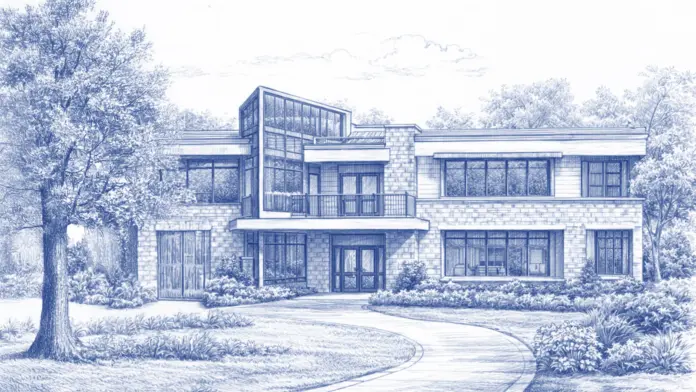
South Texas Council on Alcohol and Drug Abuse is a community based substance use treatment provider in Laredo, Texas, offering outpatient addiction treatment for adults navigating alcohol, drug and opioid-related recovery.
Located on E Saunders Street, the organization (often known as STCADA) supports clients through counseling, therapy and related recovery services delivered in a flexible, community focused setting.
Care at South Texas Council on Alcohol and Drug Abuse typically begins with an assessment to identify each client’s needs and match them with appropriate outpatient services.
The program centers on community based recovery support, allowing adults to participate in treatment while continuing to live at home and stay connected to family and work.
Clients can expect individual therapy along with broader counseling and therapeutic support for substance use challenges.
To begin treatment at South Texas Council on Alcohol and Drug Abuse in Laredo, Texas, prospective clients can request an assessment to determine the most appropriate level of outpatient care.
The intake team can review program options, explain available services and discuss Medicaid or other payment considerations.



 Our Methodology


Medicaid is a state based program that helps lower-income individuals and families pay for healthcare. Medicaid covers addiction treatment so those enrolled can use their coverage to pay for rehab. When a program accepts Medicaid the client often pays very little or nothing out of their own pocket.
The goal of treatment for alcoholism is abstinence. Those with poor social support, poor motivation, or psychiatric disorders tend to relapse within a few years of treatment. For these people, success is measured by longer periods of abstinence, reduced use of alcohol, better health, and improved social functioning. Recovery and Maintenance are usually based on 12 step programs and AA meetings.
During rehab in Texas, you'll deal with underlying issues that contribute to addiction. By addressing these challenges and learning healthy ways to cope with them, you'll develop strategies that help you live a drug-free lifestyle.
Opioid rehabs specialize in supporting those recovering from opioid addiction. They treat those suffering from addiction to illegal opioids like heroin, as well as prescription drugs like oxycodone. These centers typically combine both physical as well as mental and emotional support to help stop addiction. Physical support often includes medical detox and subsequent medical support (including medication), and mental support includes in-depth therapy to address the underlying causes of addiction.
Substance rehabs focus on helping individuals recover from substance abuse, including alcohol and drug addiction (both illegal and prescription drugs). They often include the opportunity to engage in both individual as well as group therapy.
Adult rehab programs include therapies tailored to each client's specific needs, goals, and recovery progress. They are tailored to the specific challenges adult clients may face, including family and work pressures and commitments. From inpatient and residential treatment to various levels of outpatient services, there are many options available. Some facilities also help adults work through co-occurring conditions, like anxiety, that can accompany addiction.
In individual therapy, a patient meets one-on-one with a trained psychologist or counselor. Therapy is a pivotal part of effective substance abuse treatment, as it often covers root causes of addiction, including challenges faced by the patient in their social, family, and work/school life.
Rehab.com regularly reviews this listing for accuracy but changes may occur between updates. For the most up-to-date information, please contact South Texas Council on Alcohol – Drug Abuse.

2359 E Saunders street
Laredo, TX 78041
Sponsored Helpline

Not good
 Back
Back
Sharing your insights and experiences can help others learn more about this rehab center.