





























































































About River Ridge Treatment Center
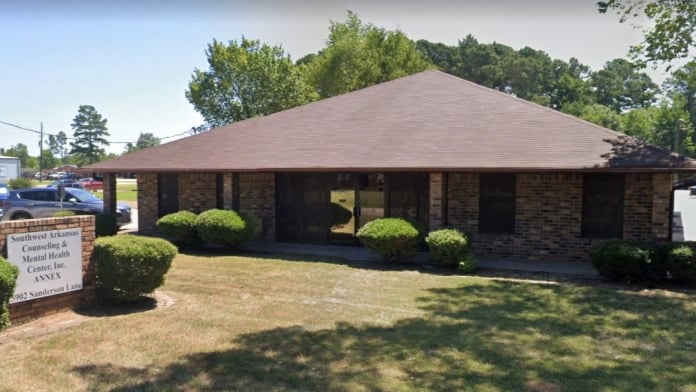
River Ridge Treatment Center provides CARF-accredited residential addiction treatment in Texarkana, Arkansas, drawing adults from 15 counties across the southwest region of the state. The facility operates gender-specific programs for men and women, pairing evidence-based therapies with integrated mental health care for people managing co-occurring substance use and behavioral health conditions. With Arkansas recording 389 drug overdose deaths in 2024 according to the state Department of Health, access to structured residential care remains a critical need in the region.
Residential Treatment and Clinical Services
River Ridge Treatment Center offers short-term and long-term residential stays in a structured, supportive setting. Clinical services include Cognitive Behavioral Therapy, Dialectical Behavior Therapy, trauma therapy, and Motivational Interviewing, with a focus on building practical coping skills alongside peer support integrated throughout the program.
Medication-assisted treatment is available on-site, including Suboxone prescribing and medication management through an onsite pharmacy. The program also addresses related physical health needs and supports clients through evidence-based approaches rooted in more than 40 years of behavioral health experience through its parent organization, Southwest Arkansas Counseling and Mental Health Center (SWACMHC).
Access and Payment
River Ridge Treatment Center accepts private insurance, Medicaid, and Medicare. A sliding-fee scale is available, and no person will be refused services for an inability to pay. The facility is located at 7000 North State Line Avenue in Texarkana, Arkansas, and serves adults aged 18 and older seeking residential substance use disorder treatment across the southwestern Arkansas region.

Rehab Score
 Our Methodology


Gallery
Other Forms of Payment
Private insurance refers to any kind of healthcare coverage that isn't from the state or federal government. This includes individual and family plans offered by an employer or purchased from the Insurance Marketplace. Every plan will have different requirements and out of pocket costs so be sure to get the full details before you start treatment.
Self-pay involves paying for treatment out of your own pocket. You can use savings or credit, get a personal loan, or receive help from family and friends to fund your treatment. If you don't have insurance or your insurance plan doesn't cover a specific program, self-pay can help ensure you still get the care you need.
Medicaid is a state based program that helps lower-income individuals and families pay for healthcare. Medicaid covers addiction treatment so those enrolled can use their coverage to pay for rehab. When a program accepts Medicaid the client often pays very little or nothing out of their own pocket.
Medicare is a federal program that provides health insurance for those 65 and older. It also serves people under 65 with chronic and disabling health challenges. To use Medicare for addiction treatment you need to find a program that accepts Medicare and is in network with your plan. Out of pocket costs and preauthorization requirements vary, so always check with your provider.
Addiction Treatments
Levels of Care
Residential treatment programs are those that offer housing and meals in addition to substance abuse treatment. Rehab facilities that offer residential treatment allow patients to focus solely on recovery, in an environment totally separate from their lives. Some rehab centers specialize in short-term residential treatment (a few days to a week or two), while others solely provide treatment on a long-term basis (several weeks to months). Some offer both, and tailor treatment to the patient's individual requirements.
Programs
Adult rehab programs include therapies tailored to each client's specific needs, goals, and recovery progress. They are tailored to the specific challenges adult clients may face, including family and work pressures and commitments. From inpatient and residential treatment to various levels of outpatient services, there are many options available. Some facilities also help adults work through co-occurring conditions, like anxiety, that can accompany addiction.
Young adulthood can be an exciting, yet difficult, time of transition. Individuals in their late teens to mid-20s face unique stressors related to school, jobs, families, and social circles, which can lead to a rise in substance use. Rehab centers with dedicated young adult programs will include activities and amenities that cater to this age group, with an emphasis on specialized counseling, peer socialization, and ongoing aftercare.
Clinical Services
One of the most common types of psychotherapy, cognitive behavioral therapy in Arkansas is an effective tool for the treatment of substance use disorder. It is a common therapeutic method that is used to treat a variety of mental and behavioral health challenges.
Developed in the 1970s, dialectical behavior therapy (DBT) is a type of psychotherapy based in cognitive behavior therapy. DBT is designed specifically to help people who experience emotions intensely. It is used to treat substance use disorder, anxiety, and depression, among other mental health disorders.
The goal of trauma therapy is to address the lingering mental, emotional, and physical lingering effects of a traumatic event. Your therapist helps you process this trauma and build resilience to face future challenges.
Rehab.com regularly reviews this listing for accuracy but changes may occur between updates. For the most up-to-date information, please contact River Ridge Treatment Center.
Contact Information

7000 North State Line Avenue
Texarkana, AK 71854
Sponsored Helpline


