





























































































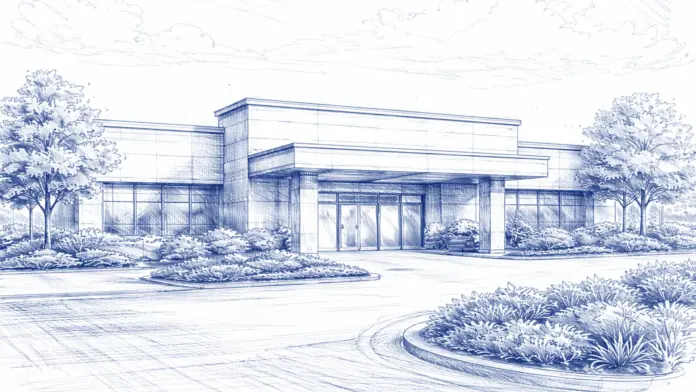
About The Bill Coffey House Sober Living
The residential program is provided through a sober living environment that offers treatment to individuals in recovery. This program focuses on the importance of long-term sobriety, emphasizing working through the underlying causes of addiction to increase the likelihood of success. Clients engage in individual therapy, group therapy, process groups, educational programming, skills building classes, and self-help groups. Each person is responsible for their recovery, and they are encouraged to take an active role in learning how to effectively manage stress, emotions, and triggers.
Upon completion of the residential program, individuals often step down into a lower level of care that allows for more freedom but keeps them connected to ongoing support. This is most frequently offered through an outpatient level of care. Clients continue to engage in mental health counseling and group therapy, along with various services such as case management or self-help groups.
The Bill Coffey House Sober Living accepts most insurance plans, including Amerigroup, Anthem, Beacon, Magellan, Cigna, ComPsych, and HCSC. Out of network benefits may vary, so it is important to verify coverage with your insurance provider prior to enrolling in treatment.
Latest Reviews



Rehab Score
 Our Methodology


Location
Addiction Treatments
Levels of Care
Sober Living Houses (SLHs), aka sober homes or halfway houses, are safe, substance-free, supportive living facilities for those recovering from substance abuse. Ideal for those who've just been through inpatient or outpatient treatment, SLHs are supervised environments with rules that support sobriety, such as curfews, shared chores, and therapeutic meetings. Residents are also often trained on life skills and coping skills to make it easier to transition into society. SLHs also provide a strong sense of community that can lead to the kind of deep and lasting connections with other sober individuals that supports a new, healthy lifestyle.
Treatments
The goal of treatment for alcoholism is abstinence. Those with poor social support, poor motivation, or psychiatric disorders tend to relapse within a few years of treatment. For these people, success is measured by longer periods of abstinence, reduced use of alcohol, better health, and improved social functioning. Recovery and Maintenance are usually based on 12 step programs and AA meetings.
Drug rehab in California teaches participants constructive ways to stay clean and sober. Treatment revolves around helping individuals stop using the substance they are addicted to and learn healthy habits to avoid relapse.
Opioid rehabs specialize in supporting those recovering from opioid addiction. They treat those suffering from addiction to illegal opioids like heroin, as well as prescription drugs like oxycodone. These centers typically combine both physical as well as mental and emotional support to help stop addiction. Physical support often includes medical detox and subsequent medical support (including medication), and mental support includes in-depth therapy to address the underlying causes of addiction.
Substance rehabs focus on helping individuals recover from substance abuse, including alcohol and drug addiction (both illegal and prescription drugs). They often include the opportunity to engage in both individual as well as group therapy.
Programs
Adult rehab programs include therapies tailored to each client's specific needs, goals, and recovery progress. They are tailored to the specific challenges adult clients may face, including family and work pressures and commitments. From inpatient and residential treatment to various levels of outpatient services, there are many options available. Some facilities also help adults work through co-occurring conditions, like anxiety, that can accompany addiction.
Young adulthood can be an exciting, yet difficult, time of transition. Individuals in their late teens to mid-20s face unique stressors related to school, jobs, families, and social circles, which can lead to a rise in substance use. Rehab centers with dedicated young adult programs will include activities and amenities that cater to this age group, with an emphasis on specialized counseling, peer socialization, and ongoing aftercare.
Clinical Services
In individual therapy, a patient meets one-on-one with a trained psychologist or counselor. Therapy is a pivotal part of effective substance abuse treatment, as it often covers root causes of addiction, including challenges faced by the patient in their social, family, and work/school life.
Rehab.com regularly reviews this listing for accuracy but changes may occur between updates. For the most up-to-date information, please contact The Bill Coffey House Sober Living.
Contact Information


836 North Detroit Street
West Hollywood, CA 90046
Sponsored Helpline


