











Footprints to Recovery Addiction Treatment Centers
1
Top 10 Rehab Centers In Centennial



















































































Corner Stone Rescue Mission is a faith based addiction recovery provider in Rapid City, South Dakota.
The mission combines a structured, Christ centered discipleship program with shelter, meals, life skills classes and long term recovery support.
Many appreciate the mission’s practical, accountability focused environment.
Corner Stone Rescue Mission provides a free, year long Christian Discipleship Program designed to help men and women overcome addiction and life controlling issues.
The residential program is structured around Bible study, mentoring, life skills classes and work therapy to support lasting change and independent living.
The mission serves men and women struggling with addiction, as well as individuals and families experiencing homelessness in the Black Hills region.
It offers gender specific services, including a Women’s Shelter, along with a homeless shelter and street outreach.
The residential Discipleship Program is free of charge to participants, reflecting the mission’s commitment to serving people in need.
Sober Living is a structured, longer term housing program with faith based requirements, including attending three chapel services, one Bible study and one church service each week.
Participants also attend two additional groups weekly: a recovery group or Bible study.
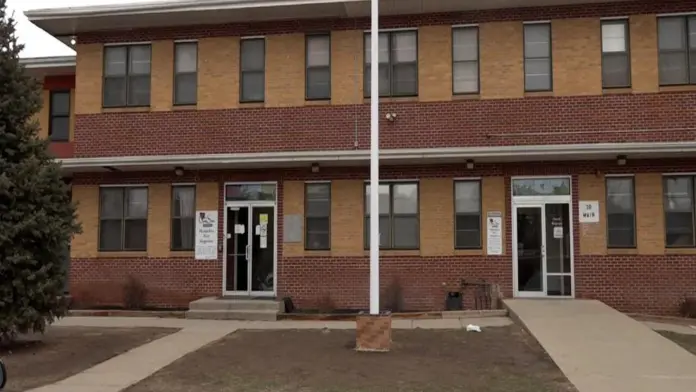
Corner Stone Rescue Mission is located on Main Street in downtown Rapid City, South Dakota.
 $7
$7 
 Our Methodology


Self-pay involves paying for treatment out of your own pocket. You can use savings or credit, get a personal loan, or receive help from family and friends to fund your treatment. If you don't have insurance or your insurance plan doesn't cover a specific program, self-pay can help ensure you still get the care you need.
 Free
FreeInpatient rehabs provide intensive clinical supervision and robust daily treatment to clients in early recovery and those who are at an elevated relapse risk. Inpatient care is often the first stage of treatment following detox, and it allows clients to focus exclusively on their recovery in a highly structured and supportive environment. Clients typically engage in daily addiction counseling and recovery-focused life skills training. Many treatment centers also offer holistic therapies, such as massage, meditation, and acupuncture.
Clients in outpatient drug rehab remain in their home and community while receiving treatment on their schedule. Many facilities offer day, evening, night, and weekend sessions, as well as virtual care. Outpatient treatment typically encompasses multiple levels of care, including partial hospitalization (PHP), intensive outpatient (IOP), sober living and supportive housing, and standard outpatient services. Most outpatient rehabs provide a range of services, including psychotherapy, medical and mental health assessments, drug testing, addiction education, and medication induction and maintenance.
The goal of treatment for alcoholism is abstinence. Those with poor social support, poor motivation, or psychiatric disorders tend to relapse within a few years of treatment. For these people, success is measured by longer periods of abstinence, reduced use of alcohol, better health, and improved social functioning. Recovery and Maintenance are usually based on 12 step programs and AA meetings.
Support provided by drug rehab in South Dakota includes social, physical, and emotional aspects. Program participants learn how to meet needs in each of these areas without turning to drugs. The goals of the program are freedom from drug dependency and long-term recovery.
Opioid rehabs specialize in supporting those recovering from opioid addiction. They treat those suffering from addiction to illegal opioids like heroin, as well as prescription drugs like oxycodone. These centers typically combine both physical as well as mental and emotional support to help stop addiction. Physical support often includes medical detox and subsequent medical support (including medication), and mental support includes in-depth therapy to address the underlying causes of addiction.
Substance rehabs focus on helping individuals recover from substance abuse, including alcohol and drug addiction (both illegal and prescription drugs). They often include the opportunity to engage in both individual as well as group therapy.
Adult rehab programs include therapies tailored to each client's specific needs, goals, and recovery progress. They are tailored to the specific challenges adult clients may face, including family and work pressures and commitments. From inpatient and residential treatment to various levels of outpatient services, there are many options available. Some facilities also help adults work through co-occurring conditions, like anxiety, that can accompany addiction.
Serving in the military is both mentally and physically challenging, and can result in trauma that persists even after combat ends. Military programs are tailored to the specific and often complex needs of active duty personnel, veterans, and military families. Clients often access these programs through the U.S. Department of Veterans Affairs (VA).
Men face specific challenges and concerns when seeking addiction treatment. Gender-specific recovery programs help them tackle these issues head-on in an environment that's focused, targeted, and distraction-free. It also gives them the opportunity to connect with and learn from other men who have been through a similar journey and can offer support for the next step.
Rehabs for women provide a safe, nurturing space for female clients to heal. These treatment programs consider the specific obstacles that women can face during recovery and place a special emphasis on mental, social, physical, and reproductive health. They explore how each woman's experience has shaped the trajectory of their substance use, addressing issues such as sexual abuse and past trauma.
Life skills trainings involve all the skills a person must have in order to function successfully in the world. These include time management, career guidance, money management, and effective communication. Truly successful addiction recovery is based on the ability to not only live substance-free, but to thrive. Life skills teaches the practical necessities of functioning in society, which sets clients up for success in life, and therefore sobriety.
When you participate in a group therapy setting, your peers offer support and shared experiences that help you learn new coping strategies. Your peers understand your struggles and can help hold you accountable and motivate you to stay committed to your goals.
You received personalized attention in individual therapy sessions so you can explore the struggles with substance use that are unique to your situation. Your therapist will help you develop effective coping mechanisms and strategies to improve your emotional regulation and resilience. These components are crucial to achieve and maintain long term recovery.
 Residential Setting
 President
Vice President
Executive Director
Rehab.com regularly reviews this listing for accuracy but changes may occur between updates. For the most up-to-date information, please contact Corner Stone Rescue Mission.

30 Main Street
Rapid City, SD 57701
Sponsored Helpline

First off, before COVID, the shelter ran by the faith of God, the people, and the donations, I myself returning back... The Atmosphere is horrible. Just needed to stay for a few days. I have issues with people thats using my personal information, and I was going to the police department and file a report. Not even if they asked me for the reason of my visit, they wanted me to convert to there religion, years earlier, I can resort by volunteering my time as a dishwasher, when no one else who signs up, either I lived there or not!! Next time I'll return, I'm doing an audit!!!! I'm done putting up with the mission did and don't s. Been helping out off and on since 2011. SMH WOW

Wopila

great place good people very helpful

The best food in town 😋
 Back
Back
Sharing your insights and experiences can help others learn more about this rehab center.