





























































































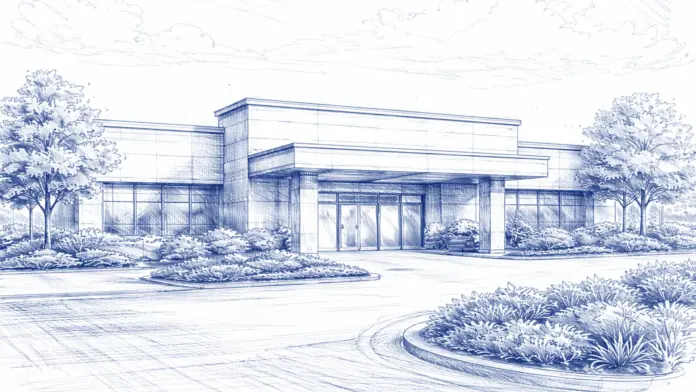
About Triad Mental Health Partners Winston-Salem
Triad Mental Health Partners is a mental health clinic that also provides addiction treatment services to teens and adults in Winston-Salem, North Carolina.
It’s an LGBTQ+ friendly facility, with the team endeavoring to offer accessible and culturally responsive care to all. Most major insurance plans are accepted, along with self-pay.
A Simple 3-Step Care Process
Support begins with your evaluation. The team assesses your mental and emotional wellbeing, but don’t worry, it’s not meant to feel like an interview. It’s not about checkbox exercises or endless forms, just real, honest conversation.
Staff will then detail how they can help, and support you in the insurance verification process as needed. You’ll be presented with appointment times to meet your schedule,
Step 2 is all about ensuring personalized care. The team explains your options and works with you to craft a plan that meets your unique needs.
If medication is the way to go for you, this might include medication-assisted treatment (MAT) and management services. They explain everything, and adjust dosages and plans as needed. Expect plenty of check-ins.
And the last step? Well, ongoing support! This means follow-up care, and regular check-ins adapted to your needs and schedule.
Accessible Care in Winston-Salem
You’ll find the facility near downtown Winston-Salem, close to various community resources, as well as major roads and public transit routes.
If you’re arriving by car, you’ll be pleased to know there are plenty of convenient parking options.

Rehab Score
 Our Methodology


Location
Accepted Insurance
Other Forms of Payment
Medicaid is a state based program that helps lower-income individuals and families pay for healthcare. Medicaid covers addiction treatment so those enrolled can use their coverage to pay for rehab. When a program accepts Medicaid the client often pays very little or nothing out of their own pocket.
Medicare is a federal program that provides health insurance for those 65 and older. It also serves people under 65 with chronic and disabling health challenges. To use Medicare for addiction treatment you need to find a program that accepts Medicare and is in network with your plan. Out of pocket costs and preauthorization requirements vary, so always check with your provider.
Private insurance refers to any kind of healthcare coverage that isn't from the state or federal government. This includes individual and family plans offered by an employer or purchased from the Insurance Marketplace. Every plan will have different requirements and out of pocket costs so be sure to get the full details before you start treatment.
Self-pay involves paying for treatment out of your own pocket. You can use savings or credit, get a personal loan, or receive help from family and friends to fund your treatment. If you don't have insurance or your insurance plan doesn't cover a specific program, self-pay can help ensure you still get the care you need.
Addiction Treatments
Levels of Care
Clients who are exiting detox or stepping down from intensive inpatient care typically transition directly into outpatient treatment. Outpatient programs are designed to allow clients to either re-enter or remain in their communities while receiving robust, personalized care. Many facilities offer evening, night, or weekend services to accommodate clients' home and work schedules. The most common outpatient treatment modalities include psychotherapy, recovery-focused life skills training, and medication assisted treatment (MAT).
Treatments
Alcohol use disorder, commonly called alcoholism, involves an inability to control the amount or frequency you drink and feeling withdrawal symptoms when you don't drink. Treatment for alcohol addiction may involve residential or outpatient alcohol rehab in North Carolina, counseling, or 12-step programs. Typically, some form of professional treatment and support is necessary to achieve long-term recovery.
There are many types of drug rehab in North Carolina. To receive treatment for addiction, you can choose from many inpatient and outpatient programs. Often, participants start with detox and work through a full continuum of care that continues with ongoing support for long-term recovery.
 Opioid Addiction
North Carolina offers substance abuse treatment programs that provide a holistic and evidence-based approach. Through a comprehensive mental health assessment, addiction experts can provide an individualized care plan specific to your needs. You can expect most rehabs programs to provide individual and group therapy, recovery meetings, and evidence-based therapies such as cognitive-behavioral therapy (CBT). Depending on your circumstances and severity of addiction, you may need more intensive care. Levels of care include outpatient, residential inpatient, intensive outpatient, and partial hospitalization. By choosing the right level of care, you're more likely to succeed in long-term recovery.
In North Carolina, dual-diagnosis addiction treatment programs focus on providing integrated care for individuals with co-occurring substance use disorders and mental health diagnoses. You can generally expect a range of programs, including intensive outpatient, inpatient residential, and partial hospitalization options. Therapies like cognitive-behavioral therapy (CBT), dialectical behavior therapy (DBT), trauma-informed therapy, and family therapy address both disorders and promote mental health and well-being, giving you the tools to sustain long-term recovery.
Clinical Services
Clients who receive cognitive behavioral therapy in North Carolina typically attend five to 20 sessions. During this time, they work with their therapist to learn healthier patterns of thinking, which can help them change their behavior related to substance use.
Rehab.com regularly reviews this listing for accuracy but changes may occur between updates. For the most up-to-date information, please contact Triad Mental Health Partners Winston-Salem.
Contact Information


102 W. Third St
Winston-Salem, NC 27101
Sponsored Helpline

