Get Help Now
Question iconSponsored Helpline

Phone icon 800-641-8351

Triumph

120 S 3rd St
Yakima, WA 98901
Claim Profile
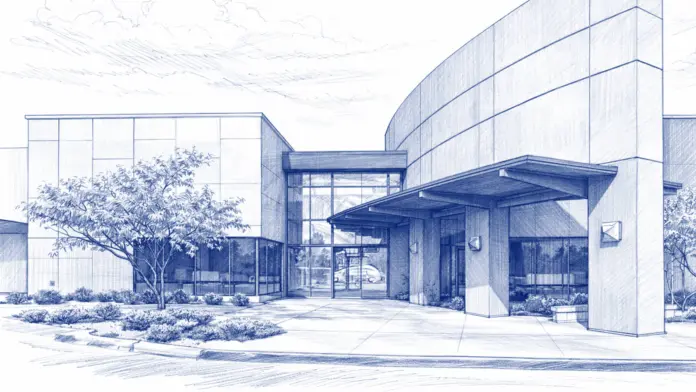
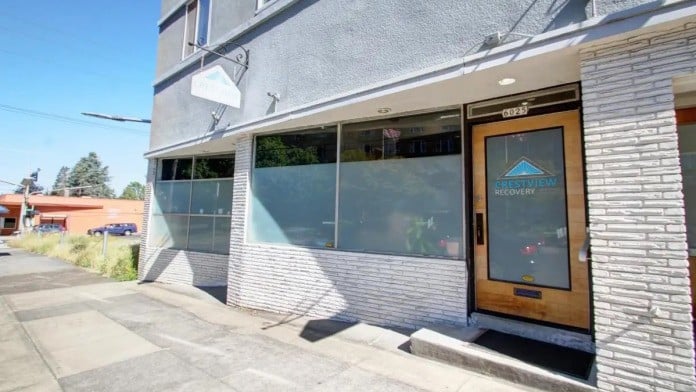
Close-up sketch of the modern glass entrance to a drug and alcohol recovery center.

About Triumph

The women’s program treats women of all ages and operates on the premise that separating substance use disorder and mental health is impossible. They offer treatment that is client centered and tailored to the individual while addressing all of your needs: mind, body and spirit.

You’ll live in a dorm style environment with closet space and bedding provided. You’ll see healthcare staff and meet with onsite substance use disorder counselors. You’ll get the support you need for any dual diagnosis such as depression, anxiety, schizophrenia or bipolar disorder.

The programs are evidence based, and you’ll learn the 12 Step model for recovery. Substance use is often a reaction to trauma or other mental health disorders. Counselors will help you get to the root of your mental health issues, such as trauma or sexual abuse. If appropriate, they can offer you medication management.

There are also peer support services where peers are mentors who offer hope that you can successfully manage your substance use and mental health issues. If you’re struggling in the program they’ll consider giving you an extension. Everything is based on your individual needs.

Similar Rehab Centers

Fact checked and written by:
Susan Bertram, BA
Edited by:
Kerry Nenn, BSW

Latest Reviews

Frank Childs
7 months ago on Google
1
A dump place is gross bathrooms stink bad
Response from the owner6 months ago
Hi Frank, Thank you so much for your valuable feedback. We agree that our men’s facility requires urgent improvement, and we want to assure you that we recognize the importance of this issue. We are actively working on renovations for both the space and the bathrooms to create a more comfortable and welcoming atmosphere that fosters healing and recovery. These concerns are our priority, and we’re committed to making these changes as quickly as possible. 
Elvina Kylyukh
10 months ago on Google
5
Absolute 5/5 stars! I stayed at Beth's place and had the most transformative experience of my life. The staff- shoutout to Chaquira and Helen- are amazing and very supportive during some of the most difficult times in the women's lives. I don't think I ever laughed (and cried) more in a period of 28 days. Highly recommend. Be prepared to be challenged, supported, and prepared to face the outside world. Thank you, Triumph.
Response from the owner6 months ago
Thank you Elvina!
Junior Rabadan
1 year ago on Google
5
Great environment
Response from the owner6 months ago
Thank you Junior!
Rehab.com icon

Rehab Score

Question iconOur Methodology
Scoring is assigned by a proprietary system which helps surface key metrics that determine quality. The 10-point scale factors in categories such as operations, customer satisfaction, and trust metrics. Read Full MethodologyCaret icon
Gauge icon
5.6 / 10

Other Forms of Payment

Medicaid is a state based program that helps lower-income individuals and families pay for healthcare. Medicaid covers addiction treatment so those enrolled can use their coverage to pay for rehab. When a program accepts Medicaid the client often pays very little or nothing out of their own pocket.

Private insurance refers to any kind of healthcare coverage that isn't from the state or federal government. This includes individual and family plans offered by an employer or purchased from the Insurance Marketplace. Every plan will have different requirements and out of pocket costs so be sure to get the full details before you start treatment.

Self-pay involves paying for treatment out of your own pocket. You can use savings or credit, get a personal loan, or receive help from family and friends to fund your treatment. If you don't have insurance or your insurance plan doesn't cover a specific program, self-pay can help ensure you still get the care you need.

Addiction Treatments

Levels of Care

Clients enrolled in an outpatient rehab program typically engage in multiple therapeutic sessions each week, but reside in their own homes and communities while receiving care. Outpatient treatment typically involves extensive addiction counseling, including family and group therapy. Most programs also emphasize recovery-focused life skills training and medical, mental health, and social support services to promote clients' sustained sobriety. Evening, night, weekend, and virtual services are widely available to accommodate the schedules of working professionals, students, and caregivers.

Residential treatment programs are those that offer housing and meals in addition to substance abuse treatment. Rehab facilities that offer residential treatment allow patients to focus solely on recovery, in an environment totally separate from their lives. Some rehab centers specialize in short-term residential treatment (a few days to a week or two), while others solely provide treatment on a long-term basis (several weeks to months). Some offer both, and tailor treatment to the patient's individual requirements.

Intensive outpatient programs (IOP) are frequently used to facilitate clients' transition from inpatient to outpatient care. Clients who are more stable may also choose to enter IOP rather than a residential rehab following detox. Intensive outpatient treatment typically consists of nine to 20 therapeutic hours per week, with services ranging from psychotherapy to recovery education to holistic care. Many programs offer medication assisted treatment (MAT) for opioid and/or alcohol addiction.

Rehab aftercare programs support clients as they focus on maintaining their sobriety after intensive (often inpatient) treatment. These programs adhere to a model of life-long recovery, addressing addiction disease as a chronic, relapsing condition. Rehab aftercare services vary widely based on the specific and evolving needs of the client, but often include peer coaching, relapse prevention support, and 12 step program induction. Clients, case managers, and care teams typically collaborate on long-term care plans.

12-step programs are addiction recovery models based on Alcoholics Anonymous (AA). A number of substance abuse programs (including some drug and alcohol rehab centers) use the 12 steps as a basis for treatment. Beginning steps involve admitting powerlessness over the addiction and creating a spiritual basis for recovery. Middle steps including making direct amends to those who've been hurt by the addiction, and the final step is to assist others in addiction recovery in the same way. 12-Step offshoots including Narcotics Anonymous (NA), Cocaine Anonymous (CA), Dual Recovery Anonymous (DRA), Sex and Love Addicts Anonymous (SLAA) and Gamblers Anonymous (GA).

Every sober living home in Washington allows for increased independence in recovery while still providing structure and accountability. Residents are expected to be responsible for themselves. They must pay for room and board and do everything they would do for themselves if they lived in a regular home. Typically, residents can live in a men's or women's sober living home for as long as they want, as long as they follow the house rules.

It can be difficult for family and friends to carry out a successful drug intervention in Washington on their own. Intervention services can help. These services typically include education about addiction and enabling behaviors, expert facilitation for interventions, and recommendations for appropriate treatment. Often, the involvement of intervention services can create a smooth transition into rehab.

Treatments

The goal of treatment for alcoholism is abstinence. Those with poor social support, poor motivation, or psychiatric disorders tend to relapse within a few years of treatment. For these people, success is measured by longer periods of abstinence, reduced use of alcohol, better health, and improved social functioning. Recovery and Maintenance are usually based on 12 step programs and AA meetings.

Effective drug rehab in Washington integrates care for the whole person, offering comprehensive solutions to addiction. Treatment methods address mental, physical, and relational aspects of substance abuse.

A combined mental health and substance abuse rehab has the staff and resources available to handle individuals with both mental health and substance abuse issues. It can be challenging to determine where a specific symptom stems from (a mental health issue or an issue related to substance abuse), so mental health and substance abuse professionals are helpful in detangling symptoms and keeping treatment on track.

Opioid rehabs specialize in supporting those recovering from opioid addiction. They treat those suffering from addiction to illegal opioids like heroin, as well as prescription drugs like oxycodone. These centers typically combine both physical as well as mental and emotional support to help stop addiction. Physical support often includes medical detox and subsequent medical support (including medication), and mental support includes in-depth therapy to address the underlying causes of addiction.

Programs

Adult rehab programs include therapies tailored to each client's specific needs, goals, and recovery progress. They are tailored to the specific challenges adult clients may face, including family and work pressures and commitments. From inpatient and residential treatment to various levels of outpatient services, there are many options available. Some facilities also help adults work through co-occurring conditions, like anxiety, that can accompany addiction.

Young adulthood can be an exciting, yet difficult, time of transition. Individuals in their late teens to mid-20s face unique stressors related to school, jobs, families, and social circles, which can lead to a rise in substance use. Rehab centers with dedicated young adult programs will include activities and amenities that cater to this age group, with an emphasis on specialized counseling, peer socialization, and ongoing aftercare.

Clinical Services

Cognitive Behavioral Therapy (CBT) is a therapy modality that focuses on the relationship between one's thoughts, feelings, and behaviors. It is used to establish and allow for healthy responses to thoughts and feelings (instead of unhealthy responses, like using drugs or alcohol). CBT has been proven effective for recovering addicts of all kinds, and is used to strengthen a patient's own self-awareness and ability to self-regulate. CBT allows individuals to monitor their own emotional state, become more adept at communicating with others, and manage stress without needing to engage in substance abuse.

Dialectical behavior therapy (DBT) is a highly structured form of therapy that teaches skills to help participants change negative thoughts and behaviors. Applying a philosophy of acceptance and change, you'll learn and practice these skills to break unhealthy patterns and establish healthy ones.

Group therapy is any therapeutic work that happens in a group (not one-on-one). There are a number of different group therapy modalities, including support groups, experiential therapy, psycho-education, and more. Group therapy involves treatment as well as processing interaction between group members.

In individual therapy, a patient meets one-on-one with a trained psychologist or counselor. Therapy is a pivotal part of effective substance abuse treatment, as it often covers root causes of addiction, including challenges faced by the patient in their social, family, and work/school life.

Couples therapy can help a couple navigate their differences. By learning powerful interpersonal skills in therapy, the couple can work together to overcome challenges and change the direction of their relationship.

Research clearly demonstrates that recovery is far more successful and sustainable when loved ones like family members participate in rehab and substance abuse treatment. Genetic factors may be at play when it comes to drug and alcohol addiction, as well as mental health issues. Family dynamics often play a critical role in addiction triggers, and if properly educated, family members can be a strong source of support when it comes to rehabilitation.

Life skills training in Washington involves relearning how to manage daily living. It boosts your abilities and confidence so you can overcome challenges both big and small, without returning to substance use.

Amenities

  • private iconPrivate Setting

Staff

Debra Madsen

Chair, BOD

Jeff Hakala

Vice Chair, BOD

Laura Crooks

Treasurer, BOD

Lynda Boggess

Secretary, BOD

Contact Information

Building icon

120 S 3rd St
Yakima, WA 98901

Explore Other Centers Near Yakima

Reviews of Triumph

3.07/5 (54 reviews)
0
Staff
0
Amenities
0
Meals
0
Value
0
Cleanliness
5
19
4
6
3
4
2
2
1
18

Reviews

5

Triumph Treatment Services has played an important role in my recovery, I never thought that sobriety could be possible for me, I made incredible changes in my life. The staff are very good people, they care about the patients and put the heart to their work.

Reviewed on 2/18/2019
Overall Experience
Date Submitted
Reviewer

Google Reviews

3.04 (53 reviews)
Kaylee Henry
2 months ago
1

If I could give zero or negative stars I would!! I am absolutely DISGUSTED with Triumph Treatment Services. My sister has fought opioid addiction for over 12 years and finally did everything right. She got on injectable Subutex in early March and walked into your program on March 26th ready to change her life. You knew her medication schedule from day one. Her shot was due April 6th and you told her she’d have to wait until April 14th or 15th. Are you kidding me? That is not a “delay,” that is straight up playing with someone’s recovery. She finally wasn’t having fentanyl cravings, and instead of protecting that progress, you put it at risk. And then to top it off other residents were openly talking about her and even bringing her daughter into it, and NOTHING was done. No one stepped in, no one shut it down. Just allowed it to happen. Imagine finally getting stable after years of addiction, finally feeling clear, and then being surrounded by judgment and disrespect in a place that’s supposed to be safe. That’s not treatment that’s failure. People come to places like this at their lowest, trying to rebuild their lives. The bare minimum is safety, respect, and competent care and somehow that still wasn’t met. Do better. Seriously. Because this kind of care? It’s unacceptable.

Response from the owner
We take concerns about medication continuity, resident safety, and confidentiality very seriously. Please reach out to info@triumphtx.org so that we can connect directly with you to listen to your concerns and document your sister’s experiences. Your feedback helps us improve, and we value the opportunity to speak with you.
Victoria Ochoa
2 months ago
5

YES IM VERY BLESSED TO HAVE GONE TO BETH'S PLACE.. IVE BEEN TO A COUPLE OF TREATMENT PLACES BEFORE BUT I HAVE TO GIVE IT TO BETH'S PLACE WAS THE FAR BEST PLACE I'VE BEEN TO... I REALLY LIKE THE FACILITY N THE WORKERS THEY ARE THE BEST N THE MENTAL HEALTH CARE WAS AWESOME TOO SPECIAL THANKS TO GRANT M AND MISS HELEN R. U PEOPLE SAVED MY LIFE FOR REALS THANK YOU SO MUCH IM FOREVER GREATFUL

Response from the owner
Thank you for sharing your experience!
Tai Tai
4 months ago
1

Response from the owner
Tai Tai, thank you for taking the time to review our services. We would like to learn more about your experience to help us improve the quality of our care. Please reach out to us at info@triumphtx.org.
martie emery
5 months ago
1

Had a relative that was there recently, I was on the approved contact list and information list...... I have yet to receive 1 phone call back from management, my relatives counselor or any person that works there after leaving messages with many phone calls about many different questions. Questions about graduation, procedures, etc. Every single time I came for a visit, staff could not get any paperwork correct, or find the correct paperwork. Would have me fill a form out, then upon return said that was wrong you need to fill this out, only to be different the next time. My I.D. was checked once, my husband's I.D. was NEVER checked! (This is a all female facility with children) and that rule is posted all over. Shouldn't that be checked every time? The child with my relative did not receive his medication that WAS PRESCRIBED by 2 of his doctors and lost ALL OF HIS BODY FAT to become all most nothing but skin and bones. My relative was told that that prescription was not enof. The child was also put back onto medication that he was taken off of and was no longer needed. Very dangerous! The 4 months the child was there, he did not receive any medical attention to his health problems and is now in worse shape then he was upon arrival. He was not allowed some of his favorite comfort items either, those were "aginst rules" were talking things like a stuffed Mikey mouse....... And somehow, my relative was allowed to meet a man and start dating while she was at the methadone clinic. Why is that not done at the facility? And why are they allowed to go mingle while on a INPATIENT treatment center? She was also allowed to go to the fair and shopping, via bus, alone and unsupervised. I watched staff being bullied by patients so they could get there way. Like patients yelling and causing a scene and the staff members doing nothing. I stood by and watched staff agree and yell at each other all due to neither not knowing what paperwork was right or how to fill it out. So much more happened, this is just a few key points. This facility and its staff is nothing more than a joke! The intake procedures i witnessed was a joke. The rules they cant even follow are a joke. Worthless program. If you arw looking to seriously get clean and want help for addiction, this would not be my choice.

Response from the owner
Martie, we’re truly sorry to hear about your recent experience, and we appreciate you taking the time to share your concerns. Providing compassionate, high-quality care is very important to us. Please reach out to us at info@triumphtx.org, and a supervisor will connect with you directly to listen to your concerns and document your negative experiences. Your feedback helps us improve, and we value the opportunity to speak with you.
Overall Experience
Date Submitted
No reviews matching the selected filter!
Get Help Now
Question iconSponsored Helpline

Phone icon 800-641-8351

Left arrow iconBack

Write a review for Triumph

Sharing your insights and experiences can help others learn more about this rehab center.

Title of Your Review
This is a required field
Your Review

Reviews comments must comply with our Review Policy Content Standards. Please do not use names (job titles / positions are acceptable) of any individual or identifying features, abusive remarks, or allegations of negligence or criminal activity.

A minimum of 200 characters and max of 2,000 characters required.
This is a required field
How would you rate the facility on the following?*
Overall Experience
Must select a star rating
Accomodations & Amenities
Must select a star rating
Meals & Nutrition
N/A
Must select a star rating
Treatment Effectiveness
Must select a star rating
Admissions Process
Must select a star rating
Staff & Friendliness
Must select a star rating
Cleanliness
Must select a star rating
Value for Cost
Must select a star rating
What is your connection to this facility?
This is a required field
Your Name*
This is a required field
Your Email*
This is a required field
Spinner icon Submitting your review...
Thumbs up icon Your review was successfully submitted.

Nearby Featured Providers

Get Help Today Phone icon 800-847-1418
Question iconSponsored Helpline