Excellent group! The new address is actually 301 NW Newton Dr Burleson, TX 76028 817-447-9600
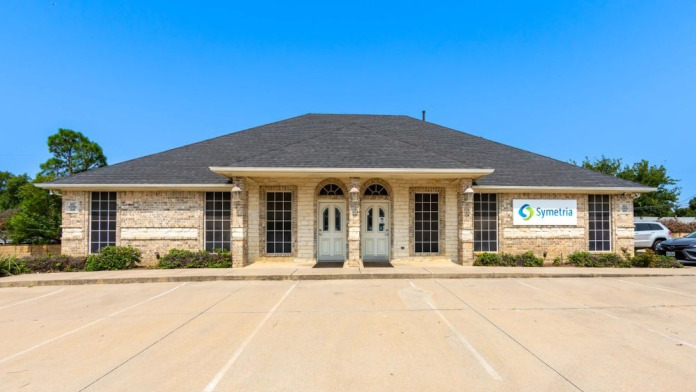
Symetria — Hurst Outpatient Rehab & Suboxone Clinic
1
Top 10 Rehab Centers In Hurst



















































































Alcoholics Anonymous (AA) is a fellowship of men and women who have had a drinking problem. They are nonprofessional, self-supporting, multiracial, apolitical, and accessible.
Alcoholic Anonymous involves partnership among groups in a community. This movement is governed by principles, which are divided into 12 steps, 12 traditions. The only requirement for membership is a desire to stop drinking. There are no dues or fees for AA membership.

 Our Methodology


 Free
FreePrivate insurance refers to any kind of healthcare coverage that isn't from the state or federal government. This includes individual and family plans offered by an employer or purchased from the Insurance Marketplace. Every plan will have different requirements and out of pocket costs so be sure to get the full details before you start treatment.
Medicaid is a state based program that helps lower-income individuals and families pay for healthcare. Medicaid covers addiction treatment so those enrolled can use their coverage to pay for rehab. When a program accepts Medicaid the client often pays very little or nothing out of their own pocket.
Self-pay involves paying for treatment out of your own pocket. You can use savings or credit, get a personal loan, or receive help from family and friends to fund your treatment. If you don't have insurance or your insurance plan doesn't cover a specific program, self-pay can help ensure you still get the care you need.
Outpatient Programs (OP) are for those seeking mental rehab or drug rehab, but who also stay at home every night. The main difference between outpatient treatment (OP) and intensive outpatient treatment (IOP) lies in the amount of hours the patient spends at the facility. Most of the time an outpatient program is designed for someone who has completed an inpatient stay and is looking to continue their growth in recovery. Outpatient is not meant to be the starting point, it is commonly referred to as aftercare.
12-step programs are addiction recovery models based on Alcoholics Anonymous (AA). A number of substance abuse programs (including some drug and alcohol rehab centers) use the 12 steps as a basis for treatment. Beginning steps involve admitting powerlessness over the addiction and creating a spiritual basis for recovery. Middle steps including making direct amends to those who've been hurt by the addiction, and the final step is to assist others in addiction recovery in the same way. 12-Step offshoots including Narcotics Anonymous (NA), Cocaine Anonymous (CA), Dual Recovery Anonymous (DRA), Sex and Love Addicts Anonymous (SLAA) and Gamblers Anonymous (GA).
Completing a drug or alcohol rehab program shouldn't spell the end of substance abuse treatment. Aftercare involves making a sustainable plan for recovery, including ongoing support. This can include sober living arrangements like halfway houses, career counseling, and setting a patient up with community programs like Alcoholics Anonymous (AA) or Narcotics Anonymous (NA).
Inpatient rehab programs are geared toward clients in early recovery. They also provide intensive support for clients in crisis and those at an increased relapse risk. Clients receive housing and meals while in inpatient care, allowing them to focus solely on their recovery. Most programs prioritize addiction counseling but may draw on various psychotherapeutic modalities, including CBT, DBT, RBT, trauma therapy, and motivational interviewing. Life skills training and holistic therapies are also common in inpatient care.
Intensive outpatient programs offer high-level care for clients as an increased risk of relapse, including those in early recovery, those with a strong history of relapse, and those experiencing a crisis. Intensive outpatient treatment typically requires clients to engage in nine to 20 hours of care weekly, with treatment modalities that combine psychotherapy and recovery education, and holistic therapies, such as acupuncture and animal therapy. Medication assisted treatment (MAT) is also common in alcohol and/or opioid recovery.
The goal of treatment for alcoholism is abstinence. Those with poor social support, poor motivation, or psychiatric disorders tend to relapse within a few years of treatment. For these people, success is measured by longer periods of abstinence, reduced use of alcohol, better health, and improved social functioning. Recovery and Maintenance are usually based on 12 step programs and AA meetings.
During rehab in Texas, you'll deal with underlying issues that contribute to addiction. By addressing these challenges and learning healthy ways to cope with them, you'll develop strategies that help you live a drug-free lifestyle.
Substance rehabs focus on helping individuals recover from substance abuse, including alcohol and drug addiction (both illegal and prescription drugs). They often include the opportunity to engage in both individual as well as group therapy.
 Opioid Addiction
Adult rehab programs include therapies tailored to each client's specific needs, goals, and recovery progress. They are tailored to the specific challenges adult clients may face, including family and work pressures and commitments. From inpatient and residential treatment to various levels of outpatient services, there are many options available. Some facilities also help adults work through co-occurring conditions, like anxiety, that can accompany addiction.
Young adulthood can be an exciting, yet difficult, time of transition. Individuals in their late teens to mid-20s face unique stressors related to school, jobs, families, and social circles, which can lead to a rise in substance use. Rehab centers with dedicated young adult programs will include activities and amenities that cater to this age group, with an emphasis on specialized counseling, peer socialization, and ongoing aftercare.
Group therapy is any therapeutic work that happens in a group (not one-on-one). There are a number of different group therapy modalities, including support groups, experiential therapy, psycho-education, and more. Group therapy involves treatment as well as processing interaction between group members.
The goal of cognitive behavioral therapy (CBT) in Texas is to change thought patterns, which leads to changes in behavior. Specific techniques during CBT can include self talk, SMART goals, journaling, and positive activities.
Treatment that takes a dialectical behavior therapy approach focuses on four strategies. Distress tolerance will help you accept and tolerate intense emotions. Emotional regulation will teach you to manage those emotions. Mindfulness will keep you in the present moment instead of regret or worry. Interpersonal effectiveness will teach you to manage your relationships.
Individual therapy offers you a confidential space to address the complexities of your drug or alcohol addiction. Your therapist guides these personalized sessions to help develop self awareness and manage stress. This promotes sustained sobriety and overall well being.
 Residential Setting
  Private Setting
 Rehab.com regularly reviews this listing for accuracy but changes may occur between updates. For the most up-to-date information, please contact Burleson Group of AA.

301 NW Newton Dr
Burleson, TX 76028
Sponsored Helpline
Excellent group! The new address is actually 301 NW Newton Dr Burleson, TX 76028 817-447-9600


The best group of ppl i meet and they more then ppl it's a family.

ATTENTION SINGLE PARENTS Children are not welcome in this AA group. I arrived at their noon meeting and it was my second time at this particular meeting with my children. I got my kids situated with their headphones and tablets when I was approached by another member. I thought she was just greeting me because she was glad to see me again but instead she whispered in my ear that children were not allowed in this meeting. My heart instantly broke. I have been to many meetings and in every preamble it says “…if you have children with you please note that you are responsible for their behavior…” My kids have never misbehaved in a meeting - I am always sure they have their entertainment and snacks. Every single time I am complimented on how well-behaved my kids are. I’m relatively new in my recovery so this was crushing for me to be turned away because I can’t afford a sitter for my children. I planned my whole day around this meeting. I am barely hanging on in my recovery as it is. Thankfully we went about ten minutes away to the Old Towne Group and they welcomed us with loving arms. The only other option Burleson Group AA gave me was to have my children in a separate room from me either alone or with a stranger who does not know any of my children’s health history. Please if you have kids just know this meeting is not for us parents. Old Towne Group or ANY AA group in Fort Worth (even Harbor), Watauga and probably every other AA meeting in the metroplex will have us and love us. I am discouraged and it’s just something else I didn’t need on my plate - recovery as a mom is hard enough. My fellow AA member who may read this please know that if I had a choice, my children would not be at meetings with me but this is the only choice I have. I want to be sober more than anything else in this world. I hit rock bottom so I’m desperate and willing enough to bring my precious children with me. I will never let them be a disturbance, we only bring love and smiles.

 Back
Back
Sharing your insights and experiences can help others learn more about this rehab center.