





























































































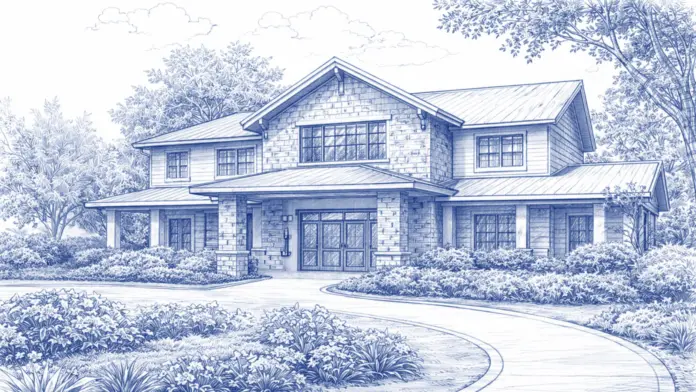
About Addictions Way
Addictions Way is an outpatient addiction treatment practice in New Canaan, Connecticut offering counseling for adults facing substance use disorders and co-occurring mental health conditions.
With an education oriented approach Addictions Way focuses on coping skills and relapse prevention with lasting recovery.
Addiction Treatment With Solution Focused Therapy
Treatment at Addictions Way centers on one-to-one outpatient counseling with a staged recovery model that guides clients from treatment initiation through advanced recovery. The overall process typically spans about ten weeks though pacing is tailored to each client’s needs.
Clients can expect counseling and help with medication treatment as well as support addressing present day challenges such as healthy relationships, employment, and nutrition.
The practice uses approaches like Cognitive Behavioral Therapy and Solution Focused Brief Therapy with a dedicated focus on dual diagnosis and family support.
Quick Facts About Addictions Way
- Location: New Canaan, Connecticut, serving nearby communities including Wilton, Pound Ridge, and Fairfield and Westchester counties.
- Levels of care: Outpatient client and group therapy with medication treatment support.
- Who they treat: Adults with substance use disorders, dual diagnosis clients, and their families.
- Approach: Customized, education focused care emphasizing coping skills and relapse prevention.
- Payment options: Private insurance and self pay accepted.
- Access: Available both in-office and online via telehealth.
Facility Overview
 15 - 30
Rehab Score
 Our Methodology


Location
Other Forms of Payment
Private insurance refers to any kind of healthcare coverage that isn't from the state or federal government. This includes individual and family plans offered by an employer or purchased from the Insurance Marketplace. Every plan will have different requirements and out of pocket costs so be sure to get the full details before you start treatment.
Self-pay involves paying for treatment out of your own pocket. You can use savings or credit, get a personal loan, or receive help from family and friends to fund your treatment. If you don't have insurance or your insurance plan doesn't cover a specific program, self-pay can help ensure you still get the care you need.
Addiction Treatments
Levels of Care
Outpatient rehabs offer a wide variety of therapeutic programs to address clients' unique and evolving needs. They are generally most effective for clients who have completed inpatient treatment and are medically stable. Most outpatient treatment centers prioritize addiction counseling and recovery-focused life skills training. Many also provide medication assisted treatment (MAT) for clients in alcohol and opioid recovery. Evening, night, and weekend sessions are commonly offered to accommodate clients' schedules.
Inpatient rehab offers intensive treatment for clients who are transitioning out of detox, in early recovery, and at risk of relapse. Housing and meals are provided, and most facilities offer round-the-clock clinical care. Clients engage in multiple counseling and therapy sessions each week, along with extensive recovery-focused life skills training. Many inpatient drug rehab programs include evidence-based complementary therapies, such as meditation, massage, creative arts therapy, nutrition therapy, and experiential therapy.
Treatments
If the body experiences withdrawal symptoms in the absense of alcohol, they are considered alcohol dependent. This is one of the defining characteristics of alcoholism, also knosn as alcohol use disorder (AUD). If a person has reached this state, they typically need professional treatment to recover. Alcohol rehab in Connecticut can provide a safe, supervised detox to withdraw from alcohol, followed by inpatient or outpatient rehab, then a maintenance program.
Drug rehab in Connecticut provides the professional support that is often necessary to break free from drug dependency. With proper treatment, individuals can make changes that restore balance and health to their lives and achieve long-term recovery.
 Opioid Addiction
In Connecticut, dual-diagnosis addiction treatment recognizes the importance of addressing both mental health and substance use disorders in their specialized rehab programs, including outpatient, inpatient, medically assisted detox, and partial hospitalization. Using evidence-based therapies like cognitive behavioral therapy, dialectical behavioral therapy, and experiential therapies, addiction experts address substance use disorders and mental health challenges simultaneously, improving recovery outcomes and reducing the risk of relapse.
Programs
Serving in the military is both mentally and physically challenging, and can result in trauma that persists even after combat ends. Military programs are tailored to the specific and often complex needs of active duty personnel, veterans, and military families. Clients often access these programs through the U.S. Department of Veterans Affairs (VA).
Clinical Services
Individual therapy uses evidence based treatment modalities to focus on building a strong therapeutic alliance between yourself and your therapist. This crucial relationship fosters trust that enables you to discuss your struggles and work together to develop effective strategies to overcome addiction.
Group therapy offers insight into behavioral patterns and triggers. This can lead to a better understanding of your addictive behaviors, which in turn promotes sobriety and sustainable recovery. You can share your experiences and strategies you use to overcome triggers and learn new strategies from your peers.
According to cognitive behavioral therapy in Connecticut, individuals can change their behaviors by changing their thoughts. Applied to substance use disorder, this can be an effective treatment method to help patients transform their thoughts and lives.
Rehab.com regularly reviews this listing for accuracy but changes may occur between updates. For the most up-to-date information, please contact Addictions Way.
Contact Information


58 Pine St, New Canaan, CT 06840
Sponsored Helpline
