











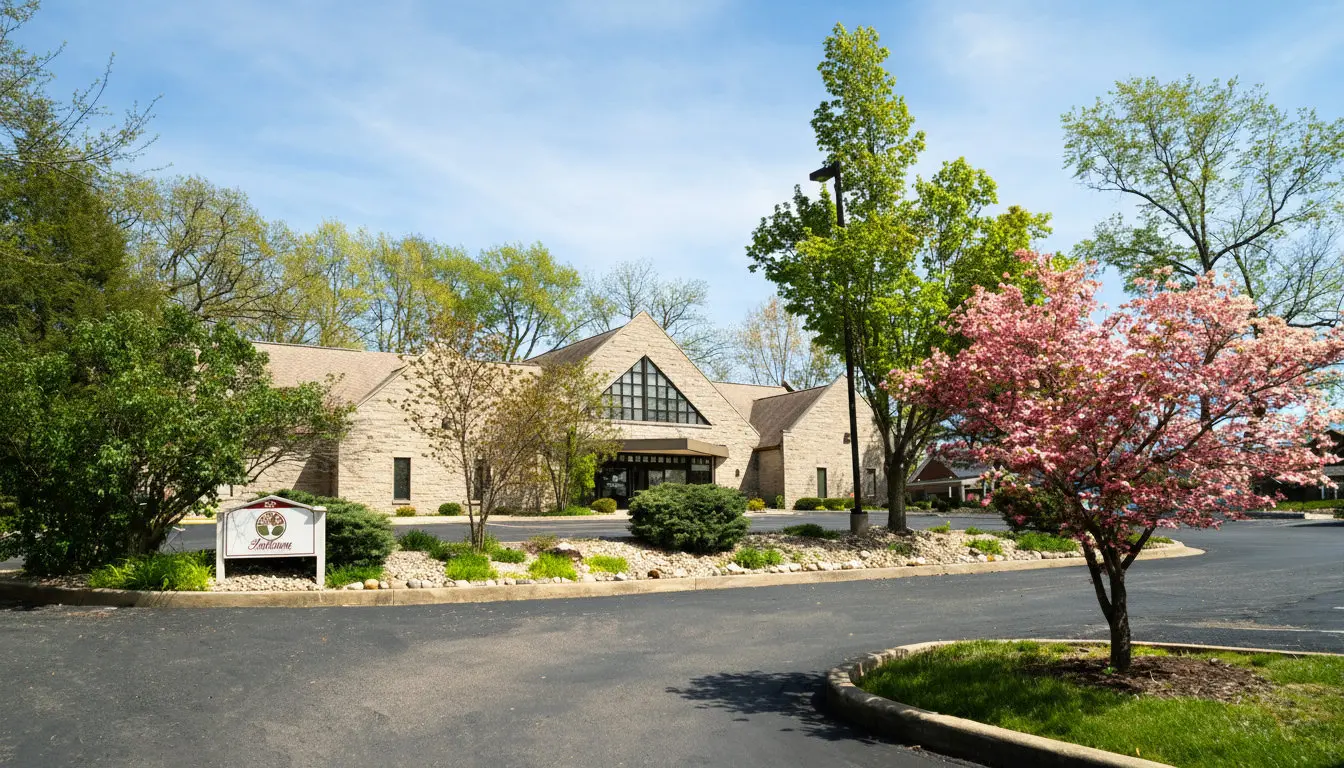
Indiana Center For Recovery – Alcohol & Drug Rehab Center – Bloomington
1
Top 10 Rehab Centers In Bloomington



















































































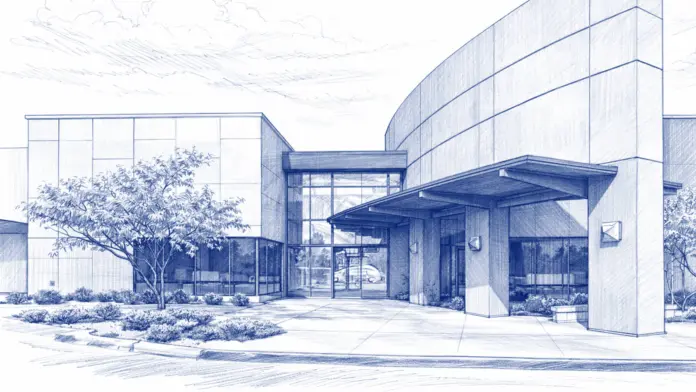
Their residential treatment includes two different phases. In the first phase, you’ll focus on healing your heart. Your days will revolve around daily therapy sessions and discipleship classes that help you understand your condition and what triggers you to use addictive substances. You’ll also learn new ways to cope with stress. You’ll talk with mentors who have been in your shoes before and can offer encouragement as you start this new journey. This phase last for seven months.
In the second phase, you’ll work on honing the life skills you need to function and thrive in society. This phase lasts around five months. Your team will help you get involved in your community, land a full time job, and plug in at a nearby church. You’ll also learn how to communicate and socialize with your peers. This program emphasizes your relationships, including social ones and the one you have with Jesus Christ.
People who have visited this center speak highly of their time there. After 22 years of addiction, one individual said they were finally able to get the help they needed through this program.
 16-30
16-30  91+
91+  $30
$30 
 Our Methodology


Private insurance refers to any kind of healthcare coverage that isn't from the state or federal government. This includes individual and family plans offered by an employer or purchased from the Insurance Marketplace. Every plan will have different requirements and out of pocket costs so be sure to get the full details before you start treatment.
Self-pay involves paying for treatment out of your own pocket. You can use savings or credit, get a personal loan, or receive help from family and friends to fund your treatment. If you don't have insurance or your insurance plan doesn't cover a specific program, self-pay can help ensure you still get the care you need.
Outpatient Programs (OP) are for those seeking mental rehab or drug rehab, but who also stay at home every night. The main difference between outpatient treatment (OP) and intensive outpatient treatment (IOP) lies in the amount of hours the patient spends at the facility. Most of the time an outpatient program is designed for someone who has completed an inpatient stay and is looking to continue their growth in recovery. Outpatient is not meant to be the starting point, it is commonly referred to as aftercare.
Rehab aftercare programs support clients' reintegration into their home, workplace, and community following inpatient and residential treatment. They also promote long-term recovery for clients who may no longer be receiving outpatient treatment. Rehab aftercare services encompass a wide range of modalities and often include various medical, mental health, and social service programs. Case managers and care teams develop clients' customized service plans based on the client's evolving needs and recovery goals.
Many rehabs base their treatment models on 12 step programs, which are often considered a gold standard in addiction recovery. 12 step recovery prioritizes participants' spiritual development as a means to heal the emotional and psychological wounds that have contributed to the addiction. Participants engage in regular, peer-led group meetings, which are free, anonymous, and accessible 24 hours per day, 365 days a year in most communities. Though these programs are spiritually-grounded, religious affiliation isn't required.
If you've become physically dependent on drugs or alcohol, quitting suddenly can cause very dangerous side effects. During a medically assisted detox, licensed medical professionals will monitor your vitals around the clock and provide medications if necessary to ensure you're as safe and comfortable as possible throughout this process.
The goal of treatment for alcoholism is abstinence. Those with poor social support, poor motivation, or psychiatric disorders tend to relapse within a few years of treatment. For these people, success is measured by longer periods of abstinence, reduced use of alcohol, better health, and improved social functioning. Recovery and Maintenance are usually based on 12 step programs and AA meetings.
Drug rehab in Iowa is available in many formats. A variety of inpatient and outpatient options provide programs that are tailored to individual needs, making recovery possible for everyone.
A combined mental health and substance abuse rehab has the staff and resources available to handle individuals with both mental health and substance abuse issues. It can be challenging to determine where a specific symptom stems from (a mental health issue or an issue related to substance abuse), so mental health and substance abuse professionals are helpful in detangling symptoms and keeping treatment on track.
Opioid rehabs specialize in supporting those recovering from opioid addiction. They treat those suffering from addiction to illegal opioids like heroin, as well as prescription drugs like oxycodone. These centers typically combine both physical as well as mental and emotional support to help stop addiction. Physical support often includes medical detox and subsequent medical support (including medication), and mental support includes in-depth therapy to address the underlying causes of addiction.
Adult rehab programs include therapies tailored to each client's specific needs, goals, and recovery progress. They are tailored to the specific challenges adult clients may face, including family and work pressures and commitments. From inpatient and residential treatment to various levels of outpatient services, there are many options available. Some facilities also help adults work through co-occurring conditions, like anxiety, that can accompany addiction.
Young adulthood can be an exciting, yet difficult, time of transition. Individuals in their late teens to mid-20s face unique stressors related to school, jobs, families, and social circles, which can lead to a rise in substance use. Rehab centers with dedicated young adult programs will include activities and amenities that cater to this age group, with an emphasis on specialized counseling, peer socialization, and ongoing aftercare.
Group therapy is any therapeutic work that happens in a group (not one-on-one). There are a number of different group therapy modalities, including support groups, experiential therapy, psycho-education, and more. Group therapy involves treatment as well as processing interaction between group members.
In individual therapy, a patient meets one-on-one with a trained psychologist or counselor. Therapy is a pivotal part of effective substance abuse treatment, as it often covers root causes of addiction, including challenges faced by the patient in their social, family, and work/school life.
Research clearly demonstrates that recovery is far more successful and sustainable when loved ones like family members participate in rehab and substance abuse treatment. Genetic factors may be at play when it comes to drug and alcohol addiction, as well as mental health issues. Family dynamics often play a critical role in addiction triggers, and if properly educated, family members can be a strong source of support when it comes to rehabilitation.
To achieve long term positive outcomes from treatment, it is important to incorporate life skills training. This equips you with new ways to manage challenges and navigate daily life. These skills encompass relationships, self care, and other day to day tasks.
 Gym
Gym  Gardens
  Walking Trails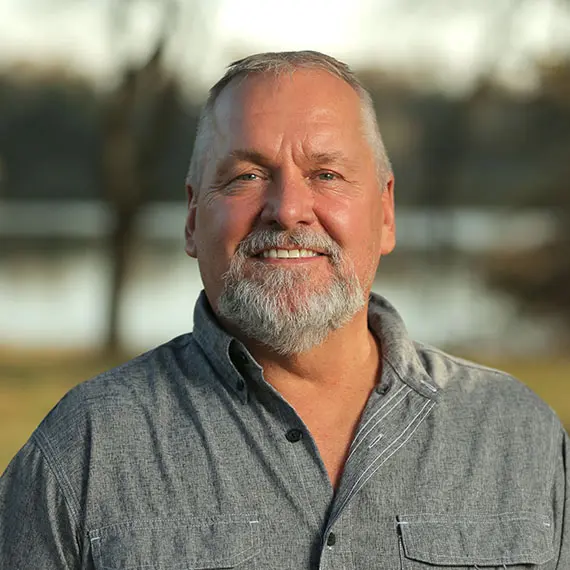
Executive Director
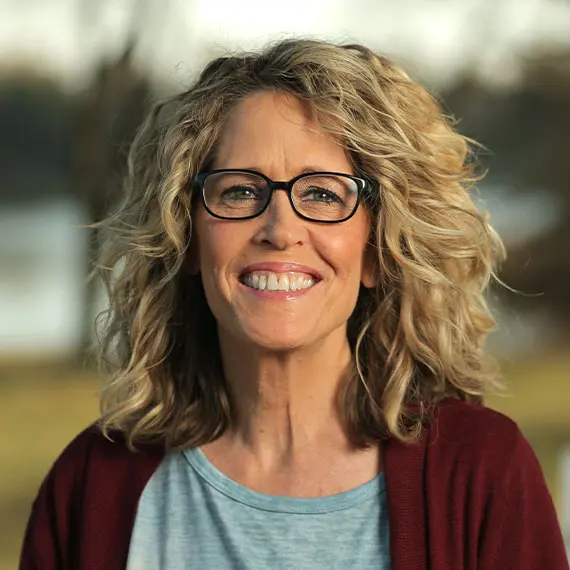
Executive Director
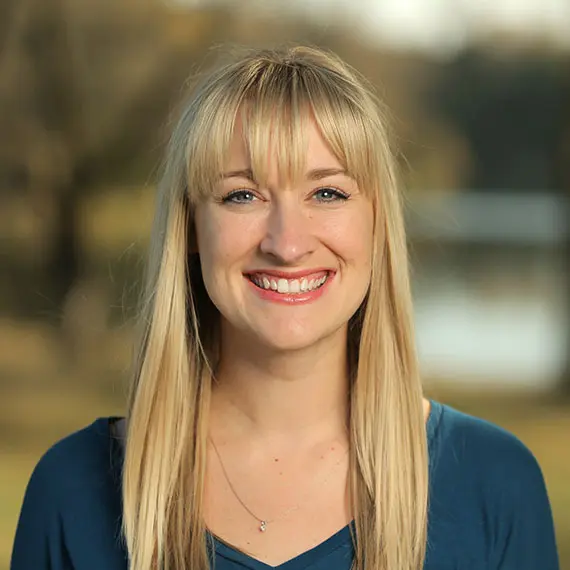
Program Coordinator

Program Staff & Administrative Assistant
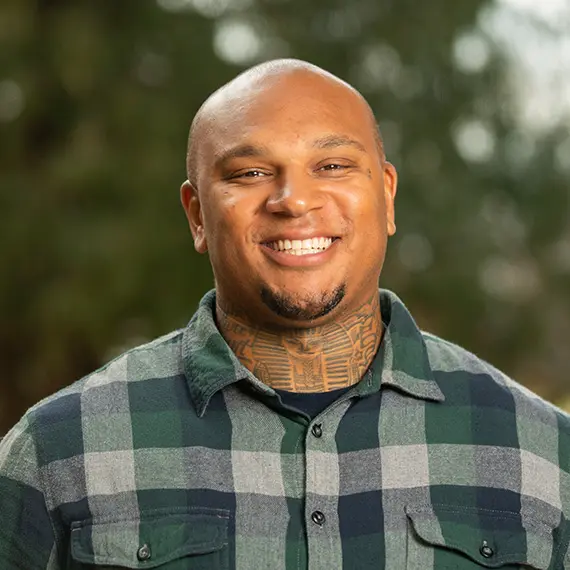
Program Director
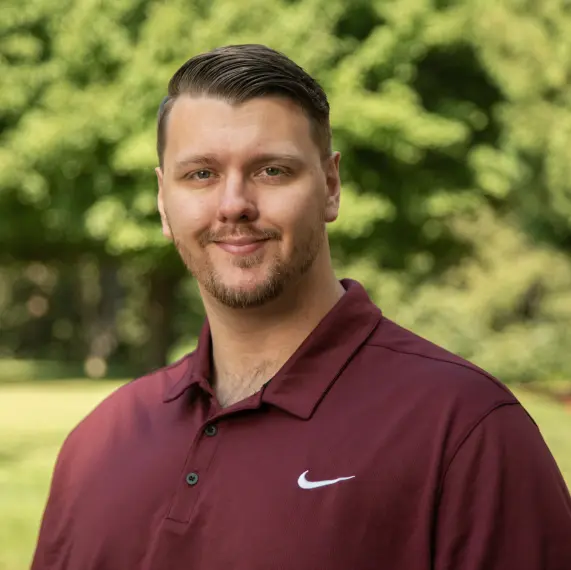
Program Staff-Education Coordinator
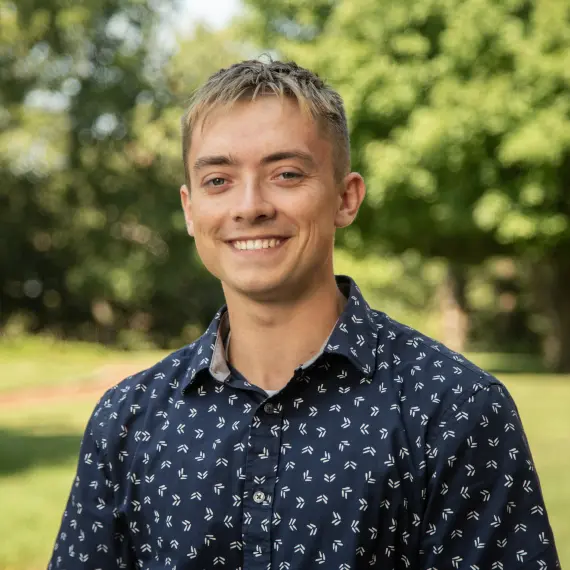
Program Staff
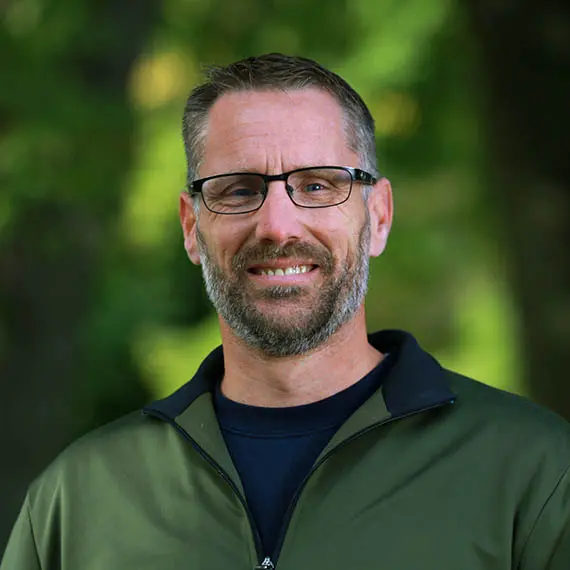
Construction Coordinator
Rehab.com regularly reviews this listing for accuracy but changes may occur between updates. For the most up-to-date information, please contact Sheepgate: A Division of Adult & Teen Challenge of the Midlands Men’s Center.

900 League Rd
Colfax, IA 50054
Sponsored Helpline

Amazing place.

This place Brought me to God and Jesus saved my life, this is not a 12 step program (it's better) give it a chance. It'll change your life for the Best if you really work it. I was a drug addict and alcoholic for a very long time and God saved me from all of my misery. And I couldn't have learned to live my life right if it wasn't for this amazing program. I love you guys and God Bless ❤️


My life was unmanageable and I was looking for a way out of this life. God used a few people in my life to get me here to Sheepgate so he could begin a good work in my life that He will be able to use for His kingdom. Through Sheepgate God has restored me to His grace and His mercy and has restored my marriage and relationships with my children. There is always more to come, and as I keep myself set to what HE has instore for me today I just want you to know HE has that for you as well if you humble yourself and come seek God out for yourself. Sheepgate can and will help point you in the way God wants you to go! Let God complete a good work in you here!
 Back
Back
Sharing your insights and experiences can help others learn more about this rehab center.
 Written By: Courtney Myers
MS
Written By: Courtney Myers
MS