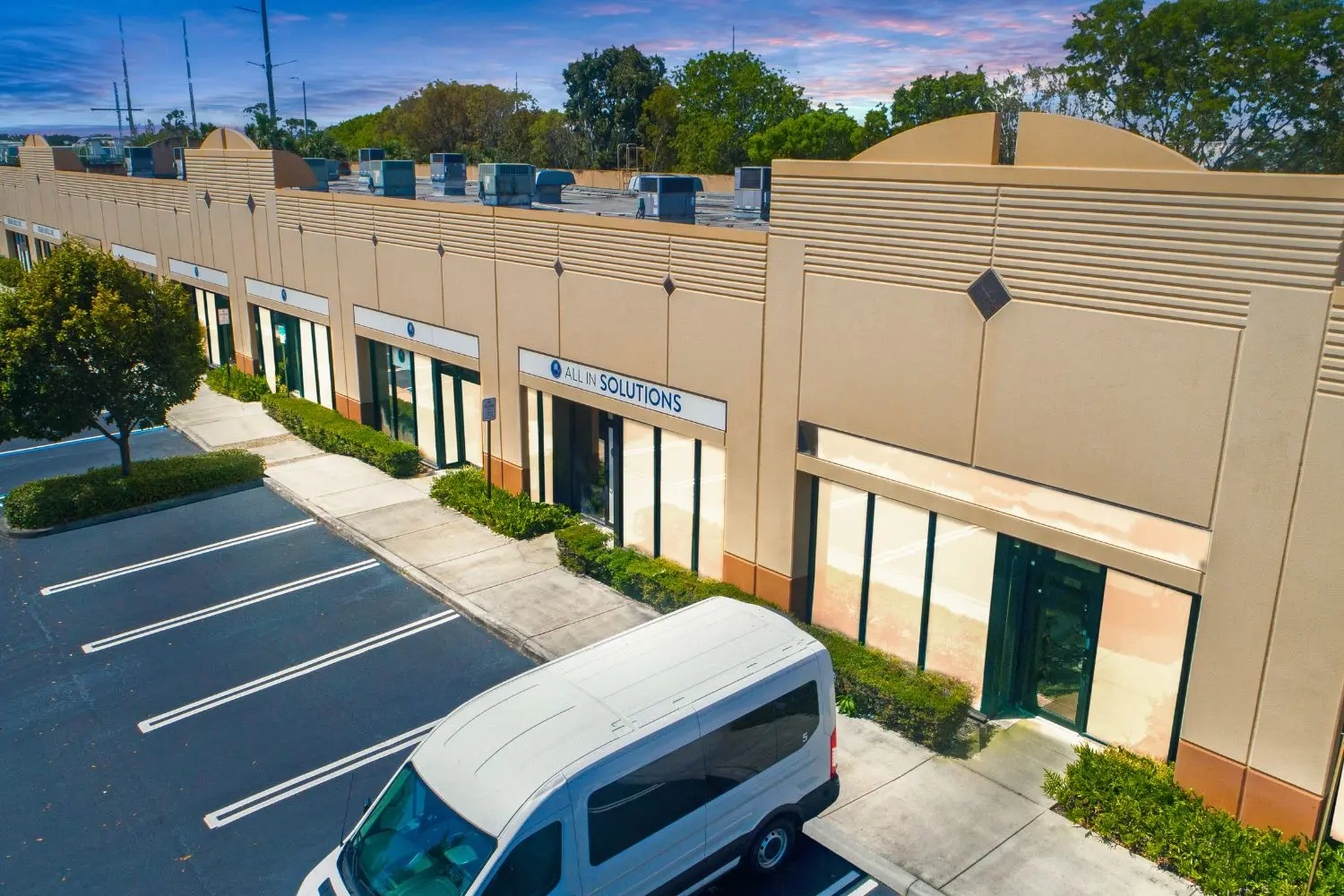
All In Solutions Counseling Center
1
Top 10 Rehab Centers In Boynton Beach



















































































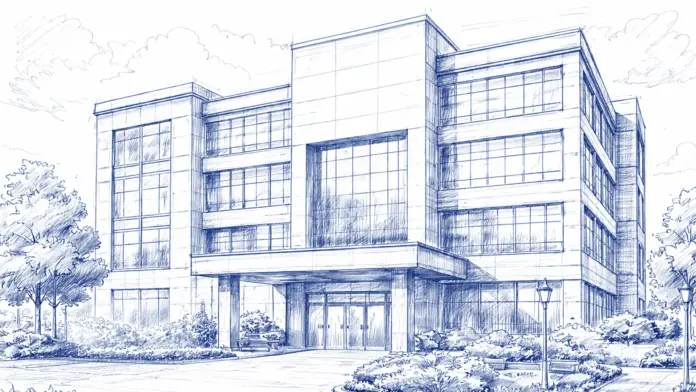
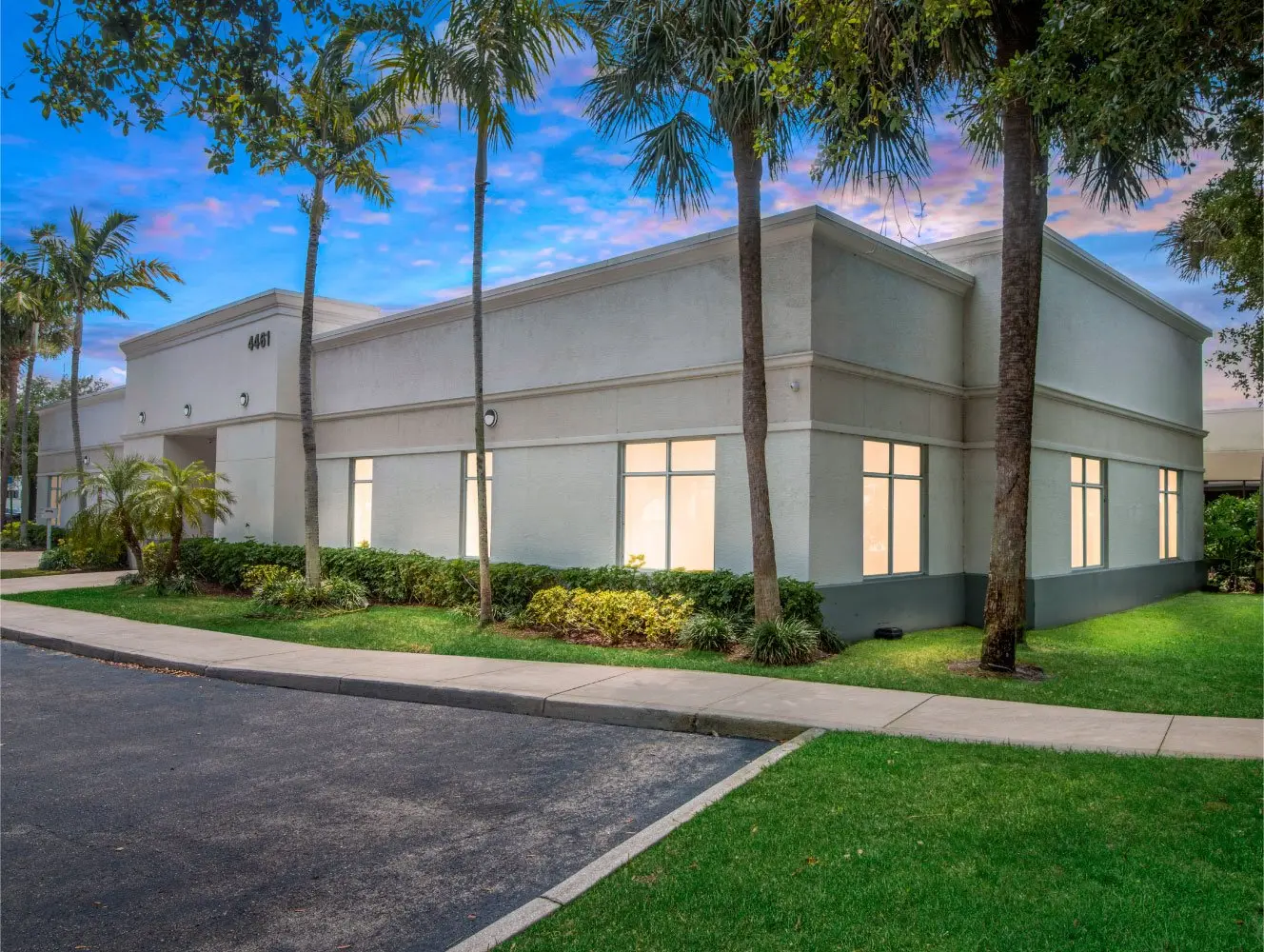
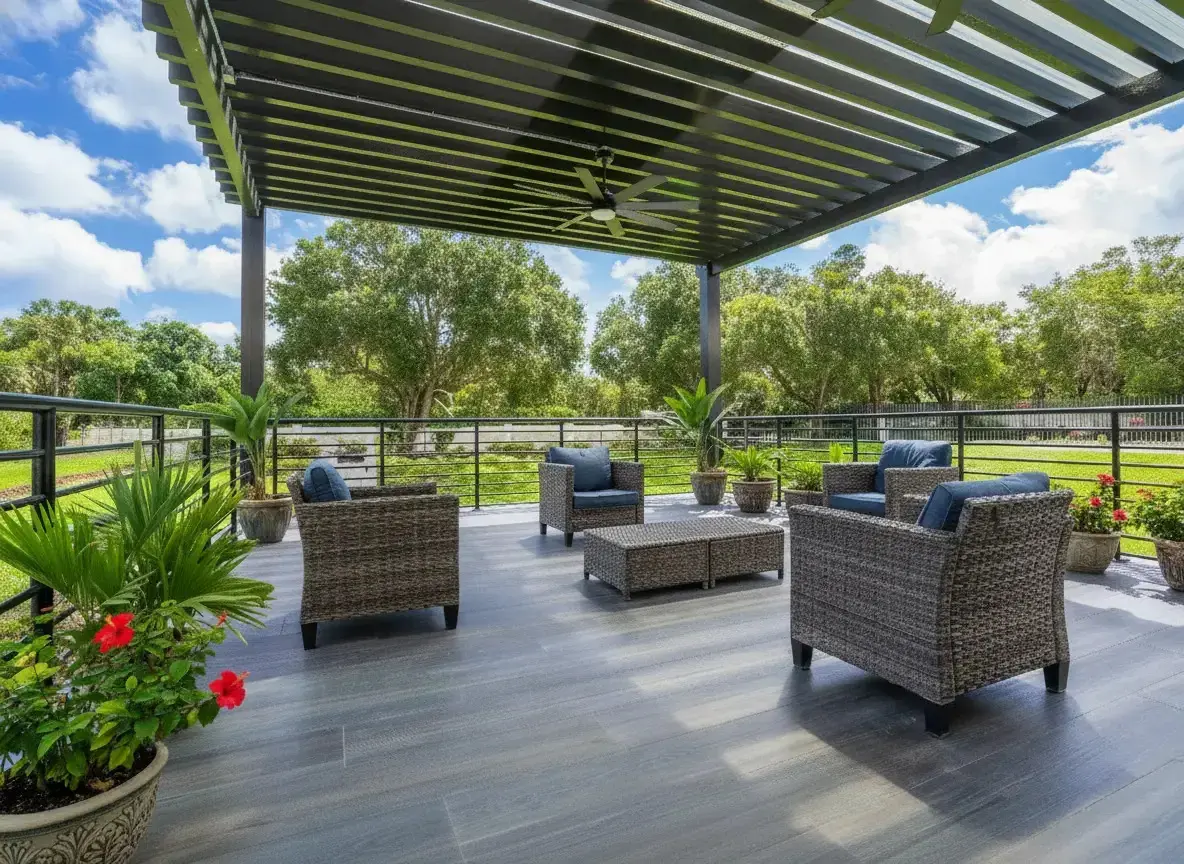
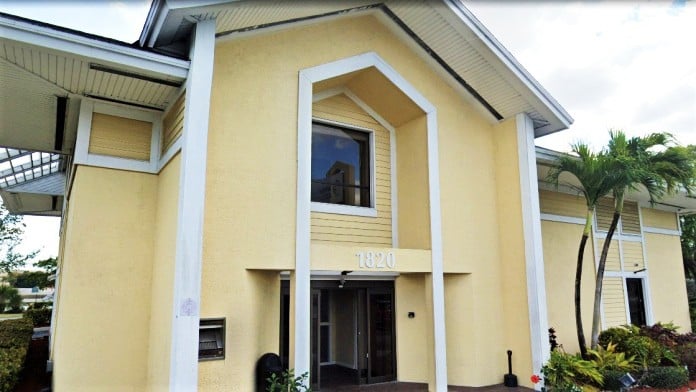
Agape Behavioral Healthcare is an all-encompassing company focusing on Mental Health & Substance Abuse care for patients. Established in 2016, Agape has grown with three locations in South Florida to serve the community better.
Agape specializes in Primary Mental Health & Substance Abuse. Our services include drug and alcohol rehab, inpatient rehab, outpatient treatment, drug and alcohol detox, and mental health treatment. Agape Behavioral Healthcare is covered by most major health insurance providers for its services.
 15 - 30
 Our Methodology


Medicaid is a state based program that helps lower-income individuals and families pay for healthcare. Medicaid covers addiction treatment so those enrolled can use their coverage to pay for rehab. When a program accepts Medicaid the client often pays very little or nothing out of their own pocket.
Medicare is a federal program that provides health insurance for those 65 and older. It also serves people under 65 with chronic and disabling health challenges. To use Medicare for addiction treatment you need to find a program that accepts Medicare and is in network with your plan. Out of pocket costs and preauthorization requirements vary, so always check with your provider.
Military members, veterans, and eligible dependents have access to specific insurance programs that help them get the care they need. TRICARE and VA insurance can help you access low cost or no cost addiction and mental health treatment. Programs that accept military insurance often have targeted treatment focused on the unique challenges military members, veterans, and their families face.
Private insurance refers to any kind of healthcare coverage that isn't from the state or federal government. This includes individual and family plans offered by an employer or purchased from the Insurance Marketplace. Every plan will have different requirements and out of pocket costs so be sure to get the full details before you start treatment.
When a person has alcohol use disorder (AUD), also referred to as alcoholism or alcohol addiction, they experience withdrawal symptoms when they stop drinking. This physical dependence results from overuse of alcohol, which may be used as a coping mechanism or escape. Individuals who have AUD can overcome the alcohol addiction through alcohol rehab in Florida. This treatment process involves essential therapy and supports to help the individual achieve and maintain recovery.
Drug rehab in Florida provides quality treatment to help individuals overcome dependency related to a wide range of addictive substances. Programs address both the physical and mental aspects of addiction in order to help you make a full recovery.
 Opioid Addiction
In Florida, substance abuse treatment focuses on treating mental health and substance use disorders concurrently to improve recovery outcomes and overall health. Levels of care include medical detox, outpatient, residential treatment, and intensive outpatient programs. Clinicians utilize evidence-based therapies such as dialectical behavioral therapy (DBT) or medication-assisted treatment, group therapy, and skills training activities. This comprehensive approach to treatment helps to ensure sustained recovery.
In Florida, dual-diagnosis addiction treatment treats mental health and substance use disorders concurrently to enhance successful recovery outcomes and improve overall health. Specialized rehab programs include medical detox, outpatient, residential treatment, and intensive outpatient programs. Using evidence-based therapies, like dialectical behavioral therapy or medication-assisted treatment, clinicians successfully treat dual-diagnosis addiction and mental health conditions. Other activities include group therapy and skills training, to equip you with the skills required to achieve and sustain your recovery.
Therapists who apply cognitive behavioral therapy in Florida believe patient thoughts and behaviors are closely linked. They use this treatment method to help clients change their thought patterns so they can also change behaviors and break free from substance abuse.
Group therapy provides a safe and supportive environment for people in Florida who are struggling with drug addiction. There you can openly discuss the challenges and progress you're making without fear of judgment from your peers who experience many of the same things you are.
Individual therapy often includes Cognitive Behavioral Therapy. This is a structured approach to identifying and changing negative thought patterns. During therapy you learn how what you think drives your actions so you can develop healthier coping strategies to manage addiction triggers and reduce drug use.
Trauma therapy helps you work through the psychological impact that traumatic events have had on your life. Your therapist helps you identify the physical, emotional, and mental triggers and develop coping mechanisms. This helps rebuild a sense of safety and trust in yourself and others.
During family therapy sessions, you navigate the complexities of addiction and are provided tools to help improve communication and resolve conflicts. When you work together, families can better support their loved one's recovery and restore balance and harmony within the household.
 Private rooms
  Residential setting
  WiFi
WiFi 
LegitScript has reviewed Agape Behavioral Healthcare | Drug and Alcohol Treatment as part of their certification program, and has determined that it meets the LegitScript standards for legality, safety and transparency.
LegitScript verified in

The National Association of Addiction Treatment Providers (NAATP) is a professional association that represents organizations in the field of addiction services. Founded in 1978, NAATP's mission is to advance addiction services and ensure that high-quality addiction treatment is available and accessible.
NAATP Member: Yes
Rehab.com regularly reviews this listing for accuracy but changes may occur between updates. For the most up-to-date information, please contact Agape Behavioral Healthcare | Drug and Alcohol Treatment.

1164 E Oakland Park Blvd
Oakland Park, FL 33334
Sponsored Helpline

Amazing place! The staff truly cares! If your sending your loved one here ask about there family program!


I am so grateful to be able to put away any shame - guilt and move forward ! After 2 yrs of sobriety - I had a relapse- I was ashamed- embarrassed- but the team at Agape immediately assured me and reminded me that I am worthy . I need to reset myself (rewired ) - there were still some underlining issues that I hadn’t dealt with or wanted too - it was the best decision to make even though I only wanted to be there for a certain time - I was able to do the timeframe that would benefit my overall mental health and continue to IOP- I appreciate the love and individual attention the team and staff give you ! You feel the love and that YOU are enough and worthy ! Thank you Agape for helping me to get right back up ! It’s OK not be OK and it Ok to reach out for help w no shame …. I and everyone deserve to be happy - feel happy and feel loved and to love yourself ! 💜💜💜

Agape is amazing. I love it here. For me, this is a place where growth doesn’t stop. Each moment for me has been a learning experience centered around love, encouragement, and direction. Even in moments where I’ve been doubtful of myself, I receive love and guidance and it pushes me to continue going.
 Back
Back
Sharing your insights and experiences can help others learn more about this rehab center.