





























































































About Amity Foundation of California
Amity Foundation of California operates Vista Ranch, a residential substance use treatment program in Vista, California serving adults seeking recovery and community reintegration. The facility specializes in long term, structured programming using a therapeutic community model, with a focus on individuals involved in the criminal justice system and those preparing for reentry. Amity’s approach emphasizes rehab, life skills development and wraparound supports that address the full spectrum of recovery needs.
Therapeutic Community Treatment
Vista Ranch uses a therapeutic community model that fosters peer support, accountability and personal growth within a structured residential setting. This evidence based approach creates a culture of mutual aid where residents learn from one another while developing the tools needed for sustainable recovery and community reintegration.
Programming is long term and immersive addressing not only substance use but also the underlying behavioral patterns and social factors that contribute to addiction. Residents participate in counseling, recovery focused activities and skill building exercises designed to strengthen resilience and independence.
Life Skills Support
Amity Foundation Vista Ranch offers specialized programming for individuals transitioning from incarceration or involvement with the criminal justice system. Services include vocational training, educational supports and wraparound reentry resources that help residents build a foundation for employment, housing stability and successful community living.
Location and Access
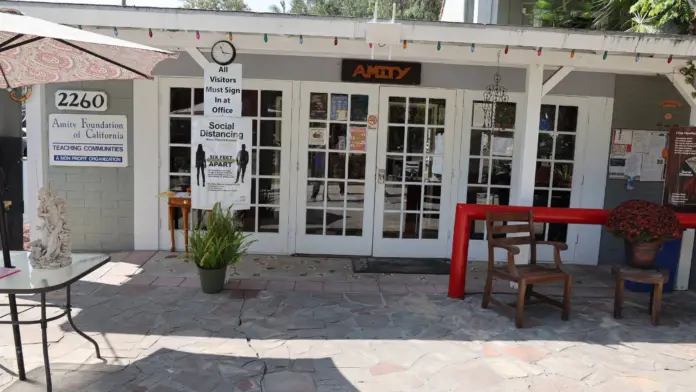
Vista Ranch is located at 2260 Watson Way in Vista, California providing residential treatment as part of the larger Amity Foundation network across California. The facility is part of a nonprofit organization with a long history of correctional and community based programming. You can reach out to Vista Ranch directly to learn more about admission, payment options and available insurance coverage.
Facility Overview
 60
60 Latest Reviews



Rehab Score
 Our Methodology


Gallery
Other Forms of Payment
Self-pay involves paying for treatment out of your own pocket. You can use savings or credit, get a personal loan, or receive help from family and friends to fund your treatment. If you don't have insurance or your insurance plan doesn't cover a specific program, self-pay can help ensure you still get the care you need.
Medicaid is a state based program that helps lower-income individuals and families pay for healthcare. Medicaid covers addiction treatment so those enrolled can use their coverage to pay for rehab. When a program accepts Medicaid the client often pays very little or nothing out of their own pocket.
Addiction Treatments
Treatments
The goal of treatment for alcoholism is abstinence. Those with poor social support, poor motivation, or psychiatric disorders tend to relapse within a few years of treatment. For these people, success is measured by longer periods of abstinence, reduced use of alcohol, better health, and improved social functioning. Recovery and Maintenance are usually based on 12 step programs and AA meetings.
Drug rehab in California teaches participants constructive ways to stay clean and sober. Treatment revolves around helping individuals stop using the substance they are addicted to and learn healthy habits to avoid relapse.
A combined mental health and substance abuse rehab has the staff and resources available to handle individuals with both mental health and substance abuse issues. It can be challenging to determine where a specific symptom stems from (a mental health issue or an issue related to substance abuse), so mental health and substance abuse professionals are helpful in detangling symptoms and keeping treatment on track.
Opioid rehabs specialize in supporting those recovering from opioid addiction. They treat those suffering from addiction to illegal opioids like heroin, as well as prescription drugs like oxycodone. These centers typically combine both physical as well as mental and emotional support to help stop addiction. Physical support often includes medical detox and subsequent medical support (including medication), and mental support includes in-depth therapy to address the underlying causes of addiction.
Programs
Adult rehab programs include therapies tailored to each client's specific needs, goals, and recovery progress. They are tailored to the specific challenges adult clients may face, including family and work pressures and commitments. From inpatient and residential treatment to various levels of outpatient services, there are many options available. Some facilities also help adults work through co-occurring conditions, like anxiety, that can accompany addiction.
Young adulthood can be an exciting, yet difficult, time of transition. Individuals in their late teens to mid-20s face unique stressors related to school, jobs, families, and social circles, which can lead to a rise in substance use. Rehab centers with dedicated young adult programs will include activities and amenities that cater to this age group, with an emphasis on specialized counseling, peer socialization, and ongoing aftercare.
Clinical Services
In individual therapy, a patient meets one-on-one with a trained psychologist or counselor. Therapy is a pivotal part of effective substance abuse treatment, as it often covers root causes of addiction, including challenges faced by the patient in their social, family, and work/school life.
Rehab.com regularly reviews this listing for accuracy but changes may occur between updates. For the most up-to-date information, please contact Amity Foundation of California.
Contact Information

2260 Watson Way
Vista, CA 92083
Sponsored Helpline
