






























































































Bin going for years until doctor fox’s daughter stated working there vary rude shouldn’t be working as a receptionist. She Doesn’t no how to talk to people at all she’s a spoiled brat going a new doctor now.
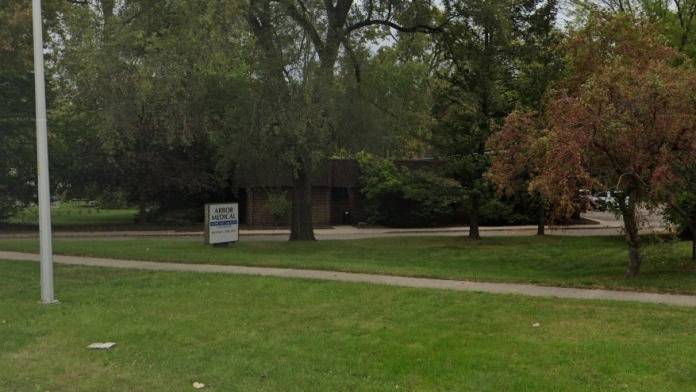
About Arbor Medical
The medical team here has extensive experience in the field of psychology. Although an osteopath, Dr. Fox is the former head of the chemical dependency unit at St. Mary Mercy Livonia. He is certified by the American Osteopathic Academy of Addiction Medicine.
They offer several different types of medication for people who are detoxifying. You may be prescribed buprenorphine which is taken in pill form under the tongue. It is an opioid used for detoxification and pain relief. The effects of this opioid are less intense and longer lasting than illicit opioids. It also does not have the euphoric effects of those drugs. Hence, it will help ease the pain of withdrawal without making you want more.
You may be treated with Vivitrol which is an injectable medication. It reduces the craving for both opioids and alcohol. It blocks the high that opioids and alcohol cause as well. It is only given to people with opioid use disorder who have already detoxified.
They can also help you get individual and group counseling. People are often treated with behavioral therapy for substance use disorder. It teaches you to think differently in order to behave in a less self-destructive way.
You will also be treated with group therapy. Networking with other people with addiction issues can help you stay sober.
Latest Reviews
Have seen all the Dr's there and everyone is help and knowledgeable on my case. Wouldn't go anywhere else .Dr.Fox is a no nonsense man who tells you like it is. The medical assistants are great as well as the girls at the front desk. Been a patient for over 2 years now.
Wonderful people, never have any issues when I come here.
They r a great team very very great people

Rehab Score
 Our Methodology
Scoring is assigned by a proprietary system which helps surface key metrics that determine quality. The 10-point scale factors in categories such as operations, customer satisfaction, and trust metrics. Read Full Methodology

5.5 / 10
Gallery
Other Forms of Payment
Private insurance refers to any kind of healthcare coverage that isn't from the state or federal government. This includes individual and family plans offered by an employer or purchased from the Insurance Marketplace. Every plan will have different requirements and out of pocket costs so be sure to get the full details before you start treatment.
Self-pay involves paying for treatment out of your own pocket. You can use savings or credit, get a personal loan, or receive help from family and friends to fund your treatment. If you don't have insurance or your insurance plan doesn't cover a specific program, self-pay can help ensure you still get the care you need.
Medicare is a federal program that provides health insurance for those 65 and older. It also serves people under 65 with chronic and disabling health challenges. To use Medicare for addiction treatment you need to find a program that accepts Medicare and is in network with your plan. Out of pocket costs and preauthorization requirements vary, so always check with your provider.
Military members, veterans, and eligible dependents have access to specific insurance programs that help them get the care they need. TRICARE and VA insurance can help you access low cost or no cost addiction and mental health treatment. Programs that accept military insurance often have targeted treatment focused on the unique challenges military members, veterans, and their families face.
Addiction Treatments
Levels of Care
Outpatient Programs (OP) are for those seeking mental rehab or drug rehab, but who also stay at home every night. The main difference between outpatient treatment (OP) and intensive outpatient treatment (IOP) lies in the amount of hours the patient spends at the facility. Most of the time an outpatient program is designed for someone who has completed an inpatient stay and is looking to continue their growth in recovery. Outpatient is not meant to be the starting point, it is commonly referred to as aftercare.
Drug and alcohol addiction often takes a heavy toll on one's body. Over time, a physical dependence can develop, meaning the body physiologically needs the substance to function. Detox is the process of removing drugs and/or alcohol from the body, a process that can be lethal if mismanaged. Medical detox is done by licensed medical professionals who monitor vital signs and keep you safe, healthy, and as comfortable as possible as you go through detox and withdrawal.
Treatments
The goal of treatment for alcoholism is abstinence. Those with poor social support, poor motivation, or psychiatric disorders tend to relapse within a few years of treatment. For these people, success is measured by longer periods of abstinence, reduced use of alcohol, better health, and improved social functioning. Recovery and Maintenance are usually based on 12 step programs and AA meetings.
Drug rehab in Michigan provides personalized treatment to help individuals break this cycle and regain control of their lives. Treatment methods are used in various levels of care, including inpatient rehab, partial hospitalization programs, intensive outpatient programs, and standard outpatient treatment.
Opioid rehabs specialize in supporting those recovering from opioid addiction. They treat those suffering from addiction to illegal opioids like heroin, as well as prescription drugs like oxycodone. These centers typically combine both physical as well as mental and emotional support to help stop addiction. Physical support often includes medical detox and subsequent medical support (including medication), and mental support includes in-depth therapy to address the underlying causes of addiction.
Substance rehabs focus on helping individuals recover from substance abuse, including alcohol and drug addiction (both illegal and prescription drugs). They often include the opportunity to engage in both individual as well as group therapy.
Programs
Adult rehab programs include therapies tailored to each client's specific needs, goals, and recovery progress. They are tailored to the specific challenges adult clients may face, including family and work pressures and commitments. From inpatient and residential treatment to various levels of outpatient services, there are many options available. Some facilities also help adults work through co-occurring conditions, like anxiety, that can accompany addiction.
Young adulthood can be an exciting, yet difficult, time of transition. Individuals in their late teens to mid-20s face unique stressors related to school, jobs, families, and social circles, which can lead to a rise in substance use. Rehab centers with dedicated young adult programs will include activities and amenities that cater to this age group, with an emphasis on specialized counseling, peer socialization, and ongoing aftercare.
Clinical Services
Group therapy is any therapeutic work that happens in a group (not one-on-one). There are a number of different group therapy modalities, including support groups, experiential therapy, psycho-education, and more. Group therapy involves treatment as well as processing interaction between group members.
Staff
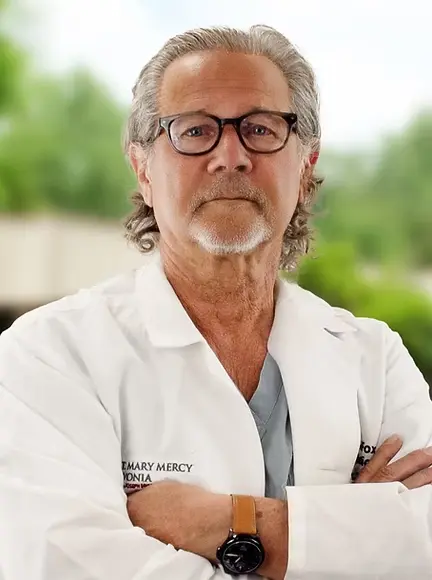
Michael Fox, D.O., D.A.B.A.M., F.A.O.A.A.M., D.F.A.S.A.M
Founder
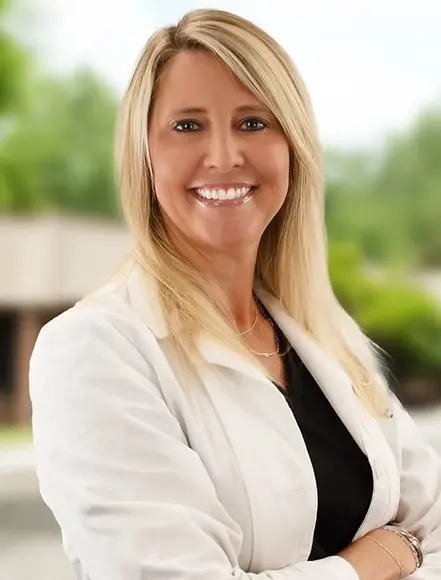
Kristi Capaldi, PA-C
Physician Assistant
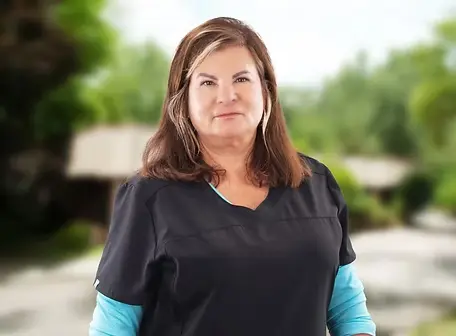
Barb Cappaert
Medical Assistant
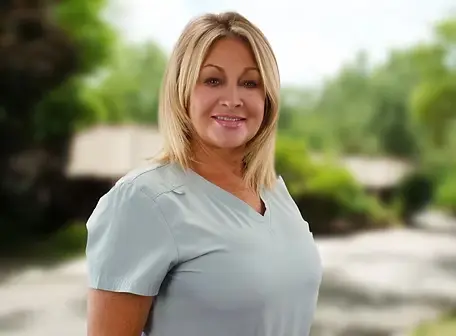
Kim Capaldi
Medical Assistant
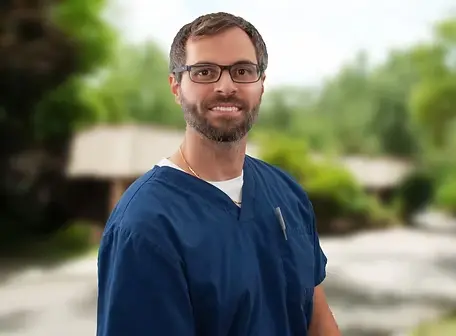
Gary Baccus
Medical Assistant
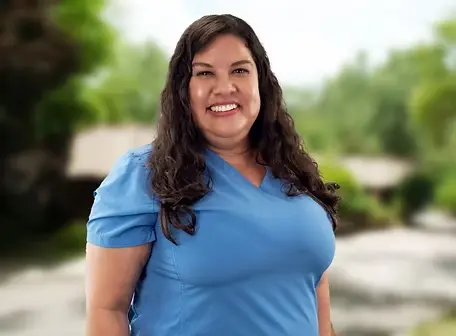
Cassandra Rosado
Front Desk Office Administrator
Rehab.com regularly reviews this listing for accuracy but changes may occur between updates. For the most up-to-date information, please contact Arbor Medical.
Contact Information

27550 Joy Road
Livonia, MI 48150
Get Help Now - 313-566-4683
Sponsored Helpline
Sponsored Helpline



