





























































































Athens Area Commencement Center helped me safely detox medically from oxycodine while providing the structure and therapy needed.
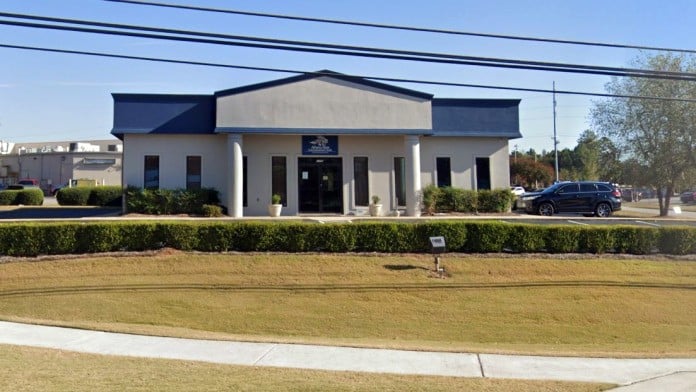
About The Athens Area Commencement Center
Counselors will use therapeutic approaches such as cognitive behavioral therapy and dialectical behavioral therapy to help clients gain knowledge and skills that will prevent them from relapsing. The highest level of care offered at Athens Area Commencement Center is the Partial Hospitalization Program. Family therapy is also provided to help heal a client’s relationship with their family and give them tools for assisting in the recovery process.
During outpatient detox, you’ll visit the facility on a daily basis to undergo medical assessments. Staff members will make sure the detox process is a safe and comfortable experience for you. Detox medications will be provided to manage your withdrawal symptoms. During this stage of treatment, you’ll also begin participating in group activities with other clients who are in similar or different stages of treatment.
The organization chooses to do this so clients can be encouraged by those who are future along in the recovery journey. Day outpatient treatment services are provided six days a week, Monday through Saturday. Evening outpatient treatment services are provided three nights a week.
In PHP, clients will undergo three to six hours of treatment a day for six days a week. Along with treatments for addiction, Athens Area Commence Center can also provide employment services and vocational training to help support your continued recovery.
When you’re not receiving treatment, you can enjoy some fine dining in Athens downtown area. They also have a great music scene and the city is home to the University of Georgia, which has various attractions for the whole family.
Latest Reviews
When I was completely hopeless and couldn't stop even when I wanted to, I didn't have anywhere to turn. My family didn't know how to help make the pain stop either but the staff at Athens Area Commencement Center did and they did so with love, compassion, and complete understanding. They saw me as a person in pain and not as a problem and helped me rebuild my life from the inside out.
Today I am a present mother and have a connection with that same family that was once as hopeless as I was, that I never thought was possible. If you want a way out, this place works miracles and I am one of them.
Response from the owner3 weeks ago
Thank you for sharing such a meaningful part of your recovery journey. It means so much to know you felt supported, understood, and treated with the compassion and respect you deserved. Seeing you rebuild your life, reconnect with your family, and become the present mother you hoped to be is why we do what we do. Thank you for trusting Athens Area Commencement Center to be part of your recovery. We wish you continued strength, health, and success as you move forward.
INCREDIBLE!!! Saved my life
Response from the owner3 weeks ago
Thank you for your kind words and for trusting Athens Area Commencement Center with your recovery. Knowing that our team made such a meaningful difference in your life is incredibly rewarding. We appreciate you sharing your experience and wish you continued strength, growth, and success in your recovery journey.
A truly wonderful program, focusing on the effective transition from active addiction to a sustainable life. Addiction Treatment Services are provided in a comfortable and affordable outpatient setting. If you or a loved one are fighting addiction don't hesitate to call and receive the help and support you deserve.
Response from the owner3 weeks ago
Thank you for your thoughtful review and recommendation. We're honored that you recognized our commitment to helping individuals build a strong foundation for long-term recovery through compassionate, individualized outpatient care. Providing effective addiction treatment in a supportive environment is at the heart of what we do. We appreciate your kind words and wish you continued health and success on your recovery journey. 
Rehab Score
 Our Methodology
Scoring is assigned by a proprietary system which helps surface key metrics that determine quality. The 10-point scale factors in categories such as operations, customer satisfaction, and trust metrics. Read Full Methodology

8 / 10
Gallery
Accepted Insurance

Oxford Health Plans
Other Forms of Payment
Private insurance refers to any kind of healthcare coverage that isn't from the state or federal government. This includes individual and family plans offered by an employer or purchased from the Insurance Marketplace. Every plan will have different requirements and out of pocket costs so be sure to get the full details before you start treatment.
Self-pay involves paying for treatment out of your own pocket. You can use savings or credit, get a personal loan, or receive help from family and friends to fund your treatment. If you don't have insurance or your insurance plan doesn't cover a specific program, self-pay can help ensure you still get the care you need.
Financial aid can take many forms. Centers may have grants or scholarships available to clients who meet eligibility requirements. Programs that receive SAMHSA grants may have financial aid available for those who need treatment as well. Grants and scholarships can help you pai for treatment without having to repay.
Addiction Treatments
Levels of Care
Outpatient Programs (OP) are for those seeking mental rehab or drug rehab, but who also stay at home every night. The main difference between outpatient treatment (OP) and intensive outpatient treatment (IOP) lies in the amount of hours the patient spends at the facility. Most of the time an outpatient program is designed for someone who has completed an inpatient stay and is looking to continue their growth in recovery. Outpatient is not meant to be the starting point, it is commonly referred to as aftercare.
Inpatient rehabs feature intensive clinical supervision and a highly structured and supportive environment, meaning they are especially well suited for clients in early recovery and those at risk of relapse. Clients reside at the treatment facility and engage in various therapeutic sessions throughout the day, including addiction counseling and recovery-focused life skills training. Many programs also offer evidence-based complementary therapies, such as meditation and massage.
Intensive Outpatient Programs (IOP) are for those who want or need a very structured treatment program but who also wish to live at home and continue with certain responsibilities (such as work or school). IOP substance abuse treatment programs vary in duration and intensity, and certain outpatient rehab centers will offer individualized treatment programs.
12-step programs are addiction recovery models based on Alcoholics Anonymous (AA). A number of substance abuse programs (including some drug and alcohol rehab centers) use the 12 steps as a basis for treatment. Beginning steps involve admitting powerlessness over the addiction and creating a spiritual basis for recovery. Middle steps including making direct amends to those who've been hurt by the addiction, and the final step is to assist others in addiction recovery in the same way. 12-Step offshoots including Narcotics Anonymous (NA), Cocaine Anonymous (CA), Dual Recovery Anonymous (DRA), Sex and Love Addicts Anonymous (SLAA) and Gamblers Anonymous (GA).
A drug intervention in Georgia is designed to encourage an individual to get the treatment they need. This effort aims to break through resistance and motivate the individual to get help. The process typically involves loved ones sharing their concerns with the individual and how their substance use has affected those who care about them. A professional interventionist can help guide this conversation and explain from the clinical side how treatment can be beneficial.
Designed for individuals who don't require round-the-clock care, a partial hospitalization program (PHP) is a form of outpatient care with a higher level of support. PHP treatment can be an alternative to inpatient hospitalization or a step-down option. With daily sessions lasting 6 to 8 hours, up to 5 days a week, a partial hospitalization program may offer medication management, relapse prevention techniques, and behavioral therapy interventions. PHP treatment can be fully or partially covered by insurance.
24-hour clinical care in Georgia reduces the risks involved in detox and addiction treatment. Without access to professional medical care, individuals may experience withdrawal symptoms that become life threatening. For example, alcohol withdrawal can cause delirium tremens, confusion, and cardiac symptoms. Without medical supervision to step in, these symptoms could potentially turn fatal.
Drug and alcohol addiction often takes a heavy toll on one's body. Over time, a physical dependence can develop, meaning the body physiologically needs the substance to function. Detox is the process of removing drugs and/or alcohol from the body, a process that can be lethal if mismanaged. Medical detox is done by licensed medical professionals who monitor vital signs and keep you safe, healthy, and as comfortable as possible as you go through detox and withdrawal.
Treatments
The goal of treatment for alcoholism is abstinence. Those with poor social support, poor motivation, or psychiatric disorders tend to relapse within a few years of treatment. For these people, success is measured by longer periods of abstinence, reduced use of alcohol, better health, and improved social functioning. Recovery and Maintenance are usually based on 12 step programs and AA meetings.
A quality drug rehab in Georgia can help you overcome addiction. This environment is designed to help you address the complex issues contributing to drug dependence. The goal of treatment is to give you the tools you need to make a full recovery.
Many of those suffering from addiction also suffer from mental or emotional illnesses like schizophrenia, bipolar disorder, depression, or anxiety disorders. Rehab and other substance abuse facilities treating those with a dual diagnosis or co-occurring disorder administer psychiatric treatment to address the person's mental health issue in addition to drug and alcohol rehabilitation.
A combined mental health and substance abuse rehab has the staff and resources available to handle individuals with both mental health and substance abuse issues. It can be challenging to determine where a specific symptom stems from (a mental health issue or an issue related to substance abuse), so mental health and substance abuse professionals are helpful in detangling symptoms and keeping treatment on track.
Opioid rehabs specialize in supporting those recovering from opioid addiction. They treat those suffering from addiction to illegal opioids like heroin, as well as prescription drugs like oxycodone. These centers typically combine both physical as well as mental and emotional support to help stop addiction. Physical support often includes medical detox and subsequent medical support (including medication), and mental support includes in-depth therapy to address the underlying causes of addiction.
Programs
Adult rehab programs include therapies tailored to each client's specific needs, goals, and recovery progress. They are tailored to the specific challenges adult clients may face, including family and work pressures and commitments. From inpatient and residential treatment to various levels of outpatient services, there are many options available. Some facilities also help adults work through co-occurring conditions, like anxiety, that can accompany addiction.
Young adulthood can be an exciting, yet difficult, time of transition. Individuals in their late teens to mid-20s face unique stressors related to school, jobs, families, and social circles, which can lead to a rise in substance use. Rehab centers with dedicated young adult programs will include activities and amenities that cater to this age group, with an emphasis on specialized counseling, peer socialization, and ongoing aftercare.
Recovery is most successful when clients feel accepted and validated by their peers and treatment providers. Facilities that offer LGBTQ-inclusive programming are committed to creating a safe space where everyone can grow and recover without fear of judgment or discrimination. They will have dedicated policies in place to create a safe and supportive environment that fosters free expression.
Clinical Services
While cognitive behavioral therapy in Georgia is unique for each person, this therapy follows a standard structure that has proven effective. Clients first learn about their substance use disorder, then learn and practice techniques such as coping, stress management, and resilience to change their thought and behavior patterns.
 Equine Therapy
Group therapy is any therapeutic work that happens in a group (not one-on-one). There are a number of different group therapy modalities, including support groups, experiential therapy, psycho-education, and more. Group therapy involves treatment as well as processing interaction between group members.
Men and women in Georgia may experience Motivational Interviewing techniques while undergoing individual therapy for drug and alcohol addiction treatment. This approach helps you explore how you feel about drug use and it strengthens your commitment to maintaining treatment. It is particularly useful in the early stages of recovery.
During rehab in Georgia, you may engage in motivational interviewing. This typically lasts one to two sessions and is designed to address any ambivalence you have toward change. It helps you explore your current situation and motivations and commit to making changes for the future.
Amenities
-
 Residential Setting
 -
 Private Rooms
Staff & Accreditations
Staff
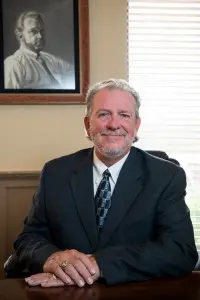
Jim Hinzman, MAC, CCDP-Diplomate
President & CEO

Farris Johnson, MD
Medical Director
Accreditations

The Commission on Accreditation of Rehabilitation Facilities (CARF) is a non-profit organization that specifically accredits rehab organizations. Founded in 1966, CARF's, mission is to help service providers like rehab facilities maintain high standards of care.
CARF Accreditation: Yes

State Licenses are permits issued by government agencies that allow rehab organizations to conduct business legally within a certain geographical area. Typically, the kind of program a rehab facility offers, along with its physical location, determines which licenses are required to operate legally.
State License: Georgia

The National Association of Addiction Treatment Providers (NAATP) is a professional association that represents organizations in the field of addiction services. Founded in 1978, NAATP's mission is to advance addiction services and ensure that high-quality addiction treatment is available and accessible.
NAATP Member: Yes
Rehab.com regularly reviews this listing for accuracy but changes may occur between updates. For the most up-to-date information, please contact The Athens Area Commencement Center.
Contact Information

1175 Mitchell Bridge Road
Athens, GA 30606
Get Help Now - 470-866-4553
Sponsored Helpline
Sponsored Helpline


