





























































































 Claimed
About Avenues Recovery Center at Richmond
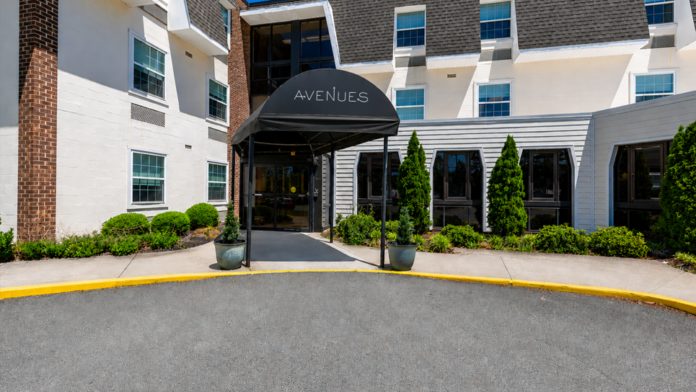
Avenues Recovery Center at Richmond is a premier addiction treatment center in Richmond, Virginia with uniquely exceptional outcomes. At Avenues’ Richmond rehab, we understand that each person’s recovery journey is as unique as they are. That’s why our devoted staff works to create fully custom treatment plans, with detox, residential, and aftercare programs that foster deep healing and long-term sobriety. This tailored treatment approach allows for comprehensive care and support, resulting in lasting recovery.
Avenues’ Richmond rehab offers gold-standard addiction treatment in a calm, soothing setting, surrounded by skilled treatment professionals and a warm community that becomes yours for life.
Facility Overview
 120
120  31 - 60
Rehab Score
 Our Methodology


Gallery
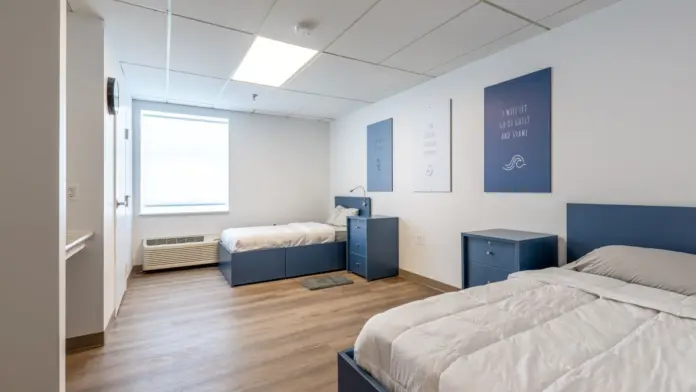
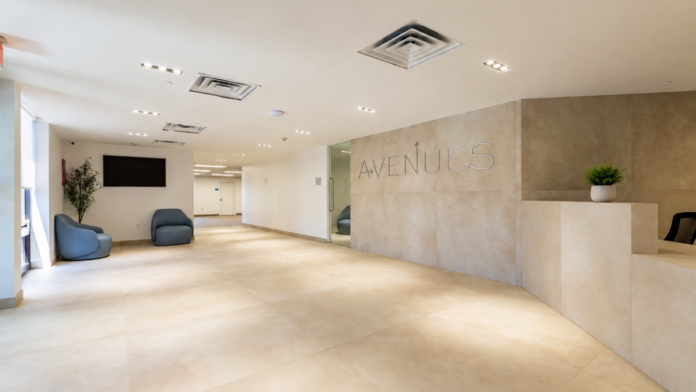
Accepted Insurance
Other Forms of Payment
Military members, veterans, and eligible dependents have access to specific insurance programs that help them get the care they need. TRICARE and VA insurance can help you access low cost or no cost addiction and mental health treatment. Programs that accept military insurance often have targeted treatment focused on the unique challenges military members, veterans, and their families face.
Self-pay involves paying for treatment out of your own pocket. You can use savings or credit, get a personal loan, or receive help from family and friends to fund your treatment. If you don't have insurance or your insurance plan doesn't cover a specific program, self-pay can help ensure you still get the care you need.
Private insurance refers to any kind of healthcare coverage that isn't from the state or federal government. This includes individual and family plans offered by an employer or purchased from the Insurance Marketplace. Every plan will have different requirements and out of pocket costs so be sure to get the full details before you start treatment.
Addiction Treatments
Levels of Care
Clients who are in early recovery, leaving detox, or experiencing a crisis often require the intensive treatment of an inpatient rehab facility. Clients in inpatient care receive robust clinical supervision, housing, and meals, allowing them to focus exclusively on their recovery while they stabilize. The primary treatment modalities used in most inpatient centers include extensive addiction counseling and recovery-focused life skills training. Many drug rehabs also offer holistic therapies, such as music, art, fitness, and experiential therapies.
Known as the first step of the addiction recovery process, medical detox is the removal of addictive drugs and alcohol from your body and helping manage physical withdrawal. Medically assisted detox takes place in an inpatient setting where you will be closely monitored by a team of medical professionals to ensure your maximum health and safety. Medications like Suboxone or Vivitrol may be administered if needed to alleviate any potential withdrawal symptoms. This process is typically at least partially covered by most insurance plans.
24-hour clinical care in Virginia features a highly trained team of professionals to treat your physical, mental, and emotional needs. Doctors and nurses are available to prescribe and administer medications. Psychologists and counselors provide professional counseling. Other experts such as nutritionists and addiction specialists may also offer support. This 24/7, comprehensive care is designed to give you the support you need to begin a successful recovery.
Once involved in a 12 step recovery program, clients can commit to a model of life-long recovery rooted in spiritual growth and intensive peer support. 12 step meetings are anonymous, peer-led, free, and accessible day and night, year-round, in most communities. Self-selected sponsors provide one-on-one coaching as participants work through the steps of recovery. These steps are based on spiritual principles used to address the origins of the addiction and to encourage self-compassion, forgiveness, acceptance, and accountability.
Clients participating in a rehab aftercare program receive comprehensive and customized support as they leave high-intensity treatment, reintegrate into their community, and focus on maintaining their sobriety. These programs offer a wide variety of services to align with the client's unique and evolving needs, often including medical, mental health, and social service program referrals. Clients typically develop their drug rehab aftercare plan in conjunction with their case manager and care team.
Treatments
Alcohol use disorder, which is often used interchangeably with the term alcoholism, is a chronic, relapsing condition. While it is characterized by harmful patterns of alcohol use and physical dependence on the substance, the condition can be managed and treated. Effective alcohol rehab in Virginia is available in a variety of formats, including inpatient, outpatient, medication-assisted therapy, and mutual-support groups.
 Mental Health And Substance Abuse
When you enroll in drug rehab in Virginia, a treatment plan is designed by professional staff in order to help you overcome drug addiction and modify addictive behaviors. This may include evidence-based treatments, group and individual therapy, and relapse prevention.
 Opioid Addiction
Virginia provides substance abuse treatment for individuals struggling with addiction and co-occurring mental health disorders. These programs incorporate evidence-based therapies such as cognitive-behavioral therapy (CBT), dialectical behavior therapy (DBT), and trauma-informed care. With a variety of treatment options available, including outpatient, inpatient, and residential programs, you can find personalized care to support you in achieving sobriety and learning the skills to maintain long-term recovery.
In Virginia, dual-diagnosis addiction treatment programs focus on providing integrated care for individuals with co-occurring substance use disorders and mental health conditions. Specialized programs offer medically monitored detox, outpatient, inpatient, and partial hospitalization. Therapies such as cognitive-behavioral therapy (CBT), dialectical behavior therapy (DBT), trauma-informed therapy, and family therapy help to address both disorders simultaneously while promoting mental health and well-being.
Dual diagnosis treatment is a specialized form of rehab where you receive care for both a substance use disorder and a mental health disorder at the same time. You're provided access to medical staff and mental health experts throughout the program. Additionally, mental health services tend to include multiple forms of therapy, including individual therapy, group counseling, relapse prevention education, and cognitive behavioral therapy (CBT).
Programs
Adult rehab programs include therapies tailored to each client's specific needs, goals, and recovery progress. They are tailored to the specific challenges adult clients may face, including family and work pressures and commitments. From inpatient and residential treatment to various levels of outpatient services, there are many options available. Some facilities also help adults work through co-occurring conditions, like anxiety, that can accompany addiction.
Serving in the military is both mentally and physically challenging, and can result in trauma that persists even after combat ends. Military programs are tailored to the specific and often complex needs of active duty personnel, veterans, and military families. Clients often access these programs through the U.S. Department of Veterans Affairs (VA).
Men face specific challenges and concerns when seeking addiction treatment. Gender-specific recovery programs help them tackle these issues head-on in an environment that's focused, targeted, and distraction-free. It also gives them the opportunity to connect with and learn from other men who have been through a similar journey and can offer support for the next step.
Rehabs for women provide a safe, nurturing space for female clients to heal. These treatment programs consider the specific obstacles that women can face during recovery and place a special emphasis on mental, social, physical, and reproductive health. They explore how each woman's experience has shaped the trajectory of their substance use, addressing issues such as sexual abuse and past trauma.
Clinical Services
 Animal Therapy
Cognitive behavioral therapy in Virginia is a short term form of talk therapy. Participants usually have homework between sessions, which may include journaling, self talk, and setting SMART goals. The aim is to transform negative thought patterns into positive ones.
If you and your partner are facing challenges, couples therapy in Virginia is designed to help you work through those in a healthy way. Common challenges that couples therapy addresses include conflict resolution, financial disagreements, intimacy challenges, health issues, and substance abuse.
Because some people find it difficult to talk about their experiences, creative arts therapy is often used to supplement talk therapy. This expressive form of therapy offers a variety of outlets to explore and communicate emotions.
A comprehensive eating disorder treatment program can help you reduce symptoms, maintain a healthy weight, and regain physical and mental health. Treatment usually involves education about eating disorders and nutrition, talk therapy, and medication.
 Eye Movement Desensitization And Reprocessing
Family therapists work with all members of the family to understand the roles they play in the addiction dynamic. Addressing these patterns is crucial to developing healthier ways to interact and support each other, as well as contributing to a more effective recovery for their loved ones.
When men and women in Virginia participate in group therapy sessions, they learn to freely express their emotions in a non judgmental setting. This helps you process your feelings and begin to understand the link between your thoughts, feelings, and behaviors that are associated with addictive behavior.
Men and women in Virginia use individual therapy to focus on addiction related challenges as a necessary part of their drug and alcohol addiction treatment. Your therapist guides you in developing coping strategies, setting realistic goals, and building a strong foundation for an improved quality of life.
If you've experienced addiction, you may have lost the skills to self manage and adapt to change. Because these basic life skills are crucial for recovery, drug rehab programs typically include life skills training as an integral part of treatment.
Recreational therapy is often a part of a holistic treatment center program for drug and alcohol addiction in Virginia. It offers structured activities that replace substance use with positive experiences like swimming, painting, and hiking. These encourage social interactions, promote physical and mental health, and help reduce stress, all of which are factors that are important to help you rebuild your life.
Amenities
-
 Art Activities
 -
 Gardens
 -
 Gym
Gym
Staff & Accreditations
Staff

Amy Handler, PsyD
Executive Director

David Viland
Operations Manager
Accreditations

The Joint Commission, formerly known as JCAHO, is a nonprofit organization that accredits rehab organizations and programs. Founded in 1951, the Joint Commision's mission is to improve the quality of patient care and demonstrating the quality of patient care.
Joint Commission Accreditation: Yes
Rehab.com regularly reviews this listing for accuracy but changes may occur between updates. For the most up-to-date information, please contact Avenues Recovery Center at Richmond.
Contact Information


11300 Mall Court
Chesterfield, Virginia 23235
Sponsored Helpline
