





























































































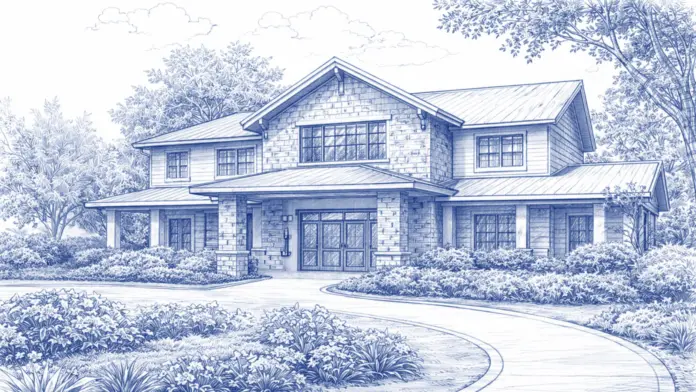
About Battlefield Counseling
Battlefield Counseling is an outpatient counseling practice that provides support for mental health, trauma and substance use concerns. They work with individuals, couples and families to address anxiety, depression and patterns of substance use. They’re located in Greensboro, North Carolina.
Therapy Dogs For Support
Their approach blends talk therapy with evidence-based methods like dialectical behavioral therapy, cognitive behavioral therapy and motivational interviewing.
They also offer trauma-focused work that includes processing memories related to loss, violence and service-related stress. I think it’s great that clients may be introduced to their two emotional support dogs during office sessions to add a sense of calm and support.
Services here include relapse prevention, skills building and support for co-occurring mental health challenges that can often accompany substance misuse. Christian counseling is available if you want faith-based support alongside clinical therapies.
DWI Support
They offer a DWI and substance use program that provides counseling and education on the risks of impaired driving and relapse prevention. Sessions help clients understand underlying patterns, develop coping skills and build accountability.
Online Sessions Offered
Battlefield Counseling provides sessions in person and online, with openings available typically within a week. They accept many major insurance plans, including Aetna, Optum and UnitedHealthcare. Flexible payment options are available.
Latest Reviews



Rehab Score
 Our Methodology


Location
Other Forms of Payment
Self-pay involves paying for treatment out of your own pocket. You can use savings or credit, get a personal loan, or receive help from family and friends to fund your treatment. If you don't have insurance or your insurance plan doesn't cover a specific program, self-pay can help ensure you still get the care you need.
Addiction Treatments
Levels of Care
Clients who are exiting detox or stepping down from intensive inpatient care typically transition directly into outpatient treatment. Outpatient programs are designed to allow clients to either re-enter or remain in their communities while receiving robust, personalized care. Many facilities offer evening, night, or weekend services to accommodate clients' home and work schedules. The most common outpatient treatment modalities include psychotherapy, recovery-focused life skills training, and medication assisted treatment (MAT).
Treatments
Alcohol use disorder, commonly called alcoholism, involves an inability to control the amount or frequency you drink and feeling withdrawal symptoms when you don't drink. Treatment for alcohol addiction may involve residential or outpatient alcohol rehab in North Carolina, counseling, or 12-step programs. Typically, some form of professional treatment and support is necessary to achieve long-term recovery.
There are many types of drug rehab in North Carolina. To receive treatment for addiction, you can choose from many inpatient and outpatient programs. Often, participants start with detox and work through a full continuum of care that continues with ongoing support for long-term recovery.
 Opioid Addiction
North Carolina offers substance abuse treatment programs that provide a holistic and evidence-based approach. Through a comprehensive mental health assessment, addiction experts can provide an individualized care plan specific to your needs. You can expect most rehabs programs to provide individual and group therapy, recovery meetings, and evidence-based therapies such as cognitive-behavioral therapy (CBT). Depending on your circumstances and severity of addiction, you may need more intensive care. Levels of care include outpatient, residential inpatient, intensive outpatient, and partial hospitalization. By choosing the right level of care, you're more likely to succeed in long-term recovery.
Programs
Adult rehab programs include therapies tailored to each client's specific needs, goals, and recovery progress. They are tailored to the specific challenges adult clients may face, including family and work pressures and commitments. From inpatient and residential treatment to various levels of outpatient services, there are many options available. Some facilities also help adults work through co-occurring conditions, like anxiety, that can accompany addiction.
Clinical Services
 Eye Movement Desensitization And Reprocessing
Trauma therapy helps you reclaim your life after experiencing or witnessing a traumatic event. Therapists help to process these memories, which promotes emotional healing and reduces anxiety in social situations. This improves your overall well being and increases your self confidence.
You usually develop a strong bond with your therapist during individual therapy sessions. This helps you explore the underlying causes of your substance use in a safe and nonjudgmental environment. Therapists help you develop effective coping strategies you can use in the community and improve your self awareness so you understand your addiction triggers.
Accreditations

State Licenses are permits issued by government agencies that allow rehab organizations to conduct business legally within a certain geographical area. Typically, the kind of program a rehab facility offers, along with its physical location, determines which licenses are required to operate legally.
State License: North Carolina
Rehab.com regularly reviews this listing for accuracy but changes may occur between updates. For the most up-to-date information, please contact Battlefield Counseling.
Contact Information


326 S Eugene St, Greensboro, NC 27401
Sponsored Helpline



