





























































































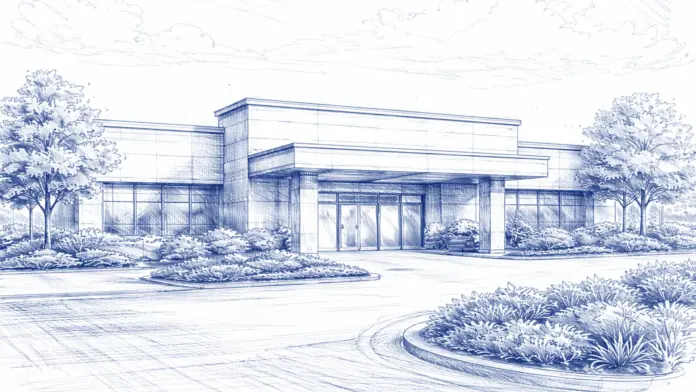
About Baywood Center
Baywood Center, located in Queensbury, New York, is a comprehensive substance use treatment program dedicated to supporting individuals on their journey toward lasting recovery. The facility offers a range of outpatient services designed to address the complexities of addiction while allowing clients to maintain their daily responsibilities. With a mission centered on compassionate care and evidence-based practices, Baywood Center serves as a vital resource for the Warren and Washington County communities.
Treatment Options at Baywood Center
The continuum of care at this facility primarily focuses on outpatient services, including intensive outpatient programs (IOP) and standard counseling. Treatment often begins with a thorough clinical assessment to determine the appropriate level of support tailored to each individual’s unique history and recovery goals. These programs are structured to provide a balance of professional guidance and personal accountability in a supportive environment.
During treatment, clients can expect to engage in individual and group therapy sessions that utilize proven therapeutic modalities to address the root causes of substance use. The clinical team works collaboratively with participants to develop coping strategies, prevent relapse, and foster emotional resilience. By integrating family support and educational components, the center ensures a holistic approach to the rehabilitation process.
Starting Your Journey at Baywood Center
Beginning the recovery process at Baywood Center in Queensbury, New York, starts with a confidential consultation to discuss specific needs and treatment availability. The admissions team assists with the intake process, including clinical evaluations and insurance verification, to ensure a seamless entry into the program. This professional guidance helps individuals and their families navigate the first steps toward a healthier, substance-free life.
Taking the first step toward change is a courageous decision that opens the door to a brighter future.
Contact Baywood Center today to learn more about their programs and how they can support your recovery goals.
Latest Reviews



Rehab Score
 Our Methodology


Location
Other Forms of Payment
Private insurance refers to any kind of healthcare coverage that isn't from the state or federal government. This includes individual and family plans offered by an employer or purchased from the Insurance Marketplace. Every plan will have different requirements and out of pocket costs so be sure to get the full details before you start treatment.
Self-pay involves paying for treatment out of your own pocket. You can use savings or credit, get a personal loan, or receive help from family and friends to fund your treatment. If you don't have insurance or your insurance plan doesn't cover a specific program, self-pay can help ensure you still get the care you need.
Financial aid can take many forms. Centers may have grants or scholarships available to clients who meet eligibility requirements. Programs that receive SAMHSA grants may have financial aid available for those who need treatment as well. Grants and scholarships can help you pai for treatment without having to repay.
Sliding scale payments are based on a client's income and family size. The goal is to make treatment affordable to everyone. By taking these factors into account, addiction recovery care providers help ensure that your treatment does not become a financial burden to you or your family, eliminating one barrier to care.
Medicare is a federal program that provides health insurance for those 65 and older. It also serves people under 65 with chronic and disabling health challenges. To use Medicare for addiction treatment you need to find a program that accepts Medicare and is in network with your plan. Out of pocket costs and preauthorization requirements vary, so always check with your provider.
Military members, veterans, and eligible dependents have access to specific insurance programs that help them get the care they need. TRICARE and VA insurance can help you access low cost or no cost addiction and mental health treatment. Programs that accept military insurance often have targeted treatment focused on the unique challenges military members, veterans, and their families face.
Medicaid is a state based program that helps lower-income individuals and families pay for healthcare. Medicaid covers addiction treatment so those enrolled can use their coverage to pay for rehab. When a program accepts Medicaid the client often pays very little or nothing out of their own pocket.
Addiction Treatments
Levels of Care
Baywood Center provides flexible, customized outpatient services for adolescents and adults. Clients engage in counseling and medication management while maintaining daily home and work responsibilities alongside community-based peer support.
Inpatient rehabs provide a space for clients to focus exclusively on their recovery while receiving intensive supervision and support. Inpatient treatment centers provide housing and food and most offer round-the-clock clinical care. Their primary treatment modalities typically consist of addiction counseling using various psychotherapeutic methods, including CBT, DBT, RBT, and motivational interviewing. Many rehabs also provide specialized services for clients with co-occurring addiction and mental illness. Recovery-focused life skills training and holistic therapies are other common services.
The intensive outpatient program at Baywood Center delivers structured, frequent clinical care for individuals requiring robust support. Clients participate in multiple weekly counseling sessions while continuing to live safely at home.
Baywood Center emphasizes comprehensive discharge planning and continuing care. Aftercare services connect clients to local peer advocates, ongoing counseling, and sober events to ensure sustained success during early recovery.
Clinicians at Baywood Center utilize 12-step facilitation within their treatment approach. They actively connect individuals with local, community-based 12-step support groups to encourage peer mentorship and sustained, long-term sobriety.
The ultimate goal of a sober living home in New York is to provide structure and support for those who want to maintain sobriety. Often, sober living homes are a transitional space for those moving from residential treatment to mainstream life. Residents typically stay at least 90 days, with most living in the halfway house for more than six months.
Baywood Center provides brief intervention services and mobile community outreach. Trained professionals help clients overcome barriers to accessing care, developing personalized plans to engage individuals in necessary substance use treatment.
The partial hospitalization program (PHP) level of care offers short-term, intensive rehab for individuals with acute symptoms that require focused management but don't require 24/7 care. PHP treatment provides structured programming (i.e. individual and group therapy) and allows you to return home in the evening. PHP treatment typically meets weekly for a minimum of 20 hours with the duration typically averaging 90 days. While PHP treatment cost can vary, it is often covered by most providers.
Medical detox involves weaning your body off of addictive substances in a medically supervised environment. If you've become dependent on alcohol and/or drugs, quitting on your own can be uncomfortable and even dangerous. In medically assisted detox, a team of licensed medical professionals will help manage potential withdrawal symptoms, ensuring that you're as safe and comfortable as possible. This process typically takes about 5-7 days, although the length will depend on your individual needs.
Treatments
Baywood Center treats alcohol use disorder through a combination of individual counseling, group therapy, and medication-assisted treatment. Providers use FDA-approved medications like Acamprosate to reduce cravings and support ongoing abstinence.
Providing comprehensive outpatient care, Baywood Center helps clients overcome drug addiction by addressing underlying psychological factors. Treatment combines evidence-based therapies, psychiatric medication management, and positive peer-based support group integration.
Baywood Center specializes in treating co-occurring mental health and substance use disorders. Their integrated approach combines psychiatric medication management with targeted substance abuse counseling to simultaneously address interconnected psychological symptoms.
To treat opioid dependence, Baywood Center offers specialized medication-assisted treatment. Clinicians prescribe FDA-approved medications like buprenorphine and naltrexone to effectively manage withdrawal symptoms, ease cravings, and support long-term recovery goals.
Programs
Baywood Center offers customized outpatient treatment plans specifically tailored for adult men and women. The facility focuses on addressing complex adult stressors while helping clients achieve and maintain lasting sobriety.
Catering to transitional age youth and adolescents, Baywood Center provides specialized counseling tailored to early-life stressors. The program emphasizes peer socialization and unique therapies to guide young adults toward recovery.
Recovery is most successful when clients feel accepted and validated by their peers and treatment providers. Facilities that offer LGBTQ-inclusive programming are committed to creating a safe space where everyone can grow and recover without fear of judgment or discrimination. They will have dedicated policies in place to create a safe and supportive environment that fosters free expression.
Serving active duty military personnel, veterans, and their families, Baywood Center delivers trauma-informed care. Specialized staff help military members address service-related trauma, adjust to civilian life, and overcome substance use.
Clinical Services
Clinicians at Baywood Center utilize Cognitive Behavioral Therapy to help clients identify and alter dysfunctional thought patterns. This goal-oriented method equips individuals with practical tools to manage deep-rooted addiction triggers.
Baywood Center incorporates Dialectical Behavior Therapy to assist clients in regulating intense emotions and developing healthy coping mechanisms. This approach is highly effective for maintaining stability during the recovery journey.
Group counseling is a core component of recovery at Baywood Center. These specialty sessions provide a connected community where clients share experiences, learn relapse prevention strategies, and foster peer support.
Clients at Baywood Center receive dedicated one-on-one individual counseling. Therapists work closely with each person to address past traumas, explore the root causes of addiction, and track personal recovery progress.
Therapists at Baywood Center use motivational interviewing to help clients explore their personal options. This collaborative method builds internal motivation, empowering individuals to confidently commit to positive lifestyle changes.
Recognizing the impact of addiction on relationships, Baywood Center provides couples counseling. This therapy helps partners address destructive relationship dynamics, heal together, and build healthy patterns that support ongoing sobriety.
Baywood Center strongly encourages family involvement throughout the treatment process. Dedicated family counseling sessions help educate loved ones, resolve underlying family dynamics, and create a supportive home environment for recovery.
Treatment at Baywood Center incorporates essential social skills development. Providers help clients learn to manage daily tasks, cope with stress effectively, and build the practical tools necessary for long-term reintegration.
Amenities
-
 Private Transportation
 -
 Residential Setting
 -
 Private Rooms
Accreditations

State Licenses are permits issued by government agencies that allow rehab organizations to conduct business legally within a certain geographical area. Typically, the kind of program a rehab facility offers, along with its physical location, determines which licenses are required to operate legally.
State License: New York
Rehab.com regularly reviews this listing for accuracy but changes may occur between updates. For the most up-to-date information, please contact Baywood Center.
Contact Information

551 Bay Rd #2
Queensbury, NY 12804
Sponsored Helpline



