






























































































My experience was exceptional with Better Days Treatment, their caring team and staff provided a safe and secure place for my recovery. I definitely would recommend this place for anyone struggling to find somewhere to recover
About Better Days Treatment Center – Alcohol and Drug Rehab
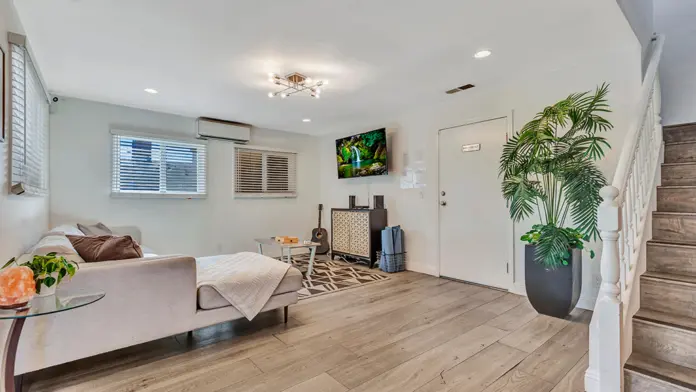
Better Days Treatment Center – Alcohol and Drug Rehab is an alcohol and drug rehabilitation center in Anaheim, California. The facility aims to give clients a calm, supportive environment in which to heal. The services available to you at Better Days Treatment Center include detox, intensive outpatient treatment and a partial hospitalization program (PHP).
Healing Through Reality Based Recovery
One of the featured treatment approaches offered at this facility is reality based recovery. This type of therapy emphasizes being in the moment to help clients make healthier choices and develop better problem solving skills. You’ll participate in multiple therapy sessions where you’ll come up with strategies to address your addiction.
The facility also believes it’s important to incorporate fun into this treatment. You and your peers will be led on outings in the southern California area where you’ll be able to connect with your peers in the program and benefit from social support.
Pet-Friendly Facility
Clients who attend inpatient treatment typically spend months away from their family and friends. In an effort to make individuals feel more comfortable, Better Days Treatment Center will allow you to bring your pet with you. Having your pet by your side as you’re undergoing the difficult process of recovery can help you with maintaining a positive spirit during times when you feel down or frustrated.
Latest Reviews
Better Days Detox truly lives up to its name. I’ve been here a few times, and every single time I’m welcomed with open arms. The staff is beyond supportive and genuinely cares — Gina, Tiffany, Earl, and John are all amazing, but my favorite is Hasya. She always goes above and beyond and makes you feel seen, safe, and supported. Detox isn’t easy, but the compassion and encouragement from this team makes a huge difference. I’m really grateful for the care I’ve received here and would recommend Better Days to anyone who’s ready to take that step.
Better.days was the best experience possible. All of the staff was so professional and so kind.
A special thanks goes out to Tiffany, Earl, Haysia, Ayasia (spelling ?) and Jeremy who I was able.to really connect with. Jon was so awesome at getting rid of my anxiety when picking me up from the airport. This place is a hidden gem and an awesome place to learn. If anyone is looking for a safe, fun, and.caring environment I whole heartedly recommend Better Days for you.
Better Dayz has been one of the greatest experiences in my journey of recovery. From all the helpful staff: Tiffany, Gina, Lauren, Hasya, John, Earl, Aisha, House Manager Matt, and last but by far not least Chef Jeremy. When make a change in life for recovery, this place does it all. Great daily groups, meetings, private chef, pool and hot tub, and wonderful outings. I cannot thank everyone enough for all that they have done for me on my path. If you feel like making a positive step in recovery, definitely choose Better Dayz!

Rehab Score
 Our Methodology
Scoring is assigned by a proprietary system which helps surface key metrics that determine quality. The 10-point scale factors in categories such as operations, customer satisfaction, and trust metrics. Read Full Methodology

7.2 / 10
Gallery





Accepted Insurance
Other Forms of Payment
Private insurance refers to any kind of healthcare coverage that isn't from the state or federal government. This includes individual and family plans offered by an employer or purchased from the Insurance Marketplace. Every plan will have different requirements and out of pocket costs so be sure to get the full details before you start treatment.
Self-pay involves paying for treatment out of your own pocket. You can use savings or credit, get a personal loan, or receive help from family and friends to fund your treatment. If you don't have insurance or your insurance plan doesn't cover a specific program, self-pay can help ensure you still get the care you need.
Financial aid can take many forms. Centers may have grants or scholarships available to clients who meet eligibility requirements. Programs that receive SAMHSA grants may have financial aid available for those who need treatment as well. Grants and scholarships can help you pai for treatment without having to repay.
Military members, veterans, and eligible dependents have access to specific insurance programs that help them get the care they need. TRICARE and VA insurance can help you access low cost or no cost addiction and mental health treatment. Programs that accept military insurance often have targeted treatment focused on the unique challenges military members, veterans, and their families face.
Addiction Treatments
Levels of Care
Outpatient Programs (OP) are for those seeking mental rehab or drug rehab, but who also stay at home every night. The main difference between outpatient treatment (OP) and intensive outpatient treatment (IOP) lies in the amount of hours the patient spends at the facility. Most of the time an outpatient program is designed for someone who has completed an inpatient stay and is looking to continue their growth in recovery. Outpatient is not meant to be the starting point, it is commonly referred to as aftercare.
Inpatient rehab provides intensive treatment for clients exiting detox, those in early recovery, and those at an elevated risk of relapse. Unlike outpatient drug rehab, clients receiving inpatient care reside at the facility for the duration of the program. The length of stay may range from two weeks to 18 months or more, depending on the client's needs and the program's design. Inpatient treatment typically involves extensive addiction education and recovery-focused life skills training.
Intensive Outpatient programs are for those who want or need a very structured treatment program but who also wish to live at home and continue with certain responsibilities (such as work or school). IOP substance abuse treatment programs vary in duration and intensity, and certain outpatient rehab centers will offer individualized treatment programs. The Intensive Outpatient Program gives patients the chance to participate in a structured treatment plan part-time while they transition back to home and work or other responsibilities.
Drug and alcohol addiction often takes a heavy toll on one’s body. Over time, a physical dependence can develop, meaning the body physiologically needs the substance to function. Detox is the process of removing drugs and/or alcohol from the body, a process that can be lethal if mismanaged. Medical detox is done by licensed medical professionals who monitor vital signs and keep you safe, healthy, and as comfortable as possible as you go through detox and withdrawal.
Programs
Adult rehab programs include therapies tailored to each client's specific needs, goals, and recovery progress. They are tailored to the specific challenges adult clients may face, including family and work pressures and commitments. From inpatient and residential treatment to various levels of outpatient services, there are many options available. Some facilities also help adults work through co-occurring conditions, like anxiety, that can accompany addiction.
Young adulthood can be an exciting, yet difficult, time of transition. Individuals in their late teens to mid-20s face unique stressors related to school, jobs, families, and social circles, which can lead to a rise in substance use. Rehab centers with dedicated young adult programs will include activities and amenities that cater to this age group, with an emphasis on specialized counseling, peer socialization, and ongoing aftercare.
Clinical Services
During group therapy, men and women learn to express their emotions openly in a non judgmental setting. This helps you process your feelings and reduces feelings of social isolation that are often associated with addiction.
Individual therapy for drug addiction includes a customized treatment plan that considers your history and life circumstances. During your therapy sessions, the therapist helps you uncover underlying issues and triggers for addictive behavior that support a holistic approach to recovery.
Family therapy offers a platform for members to have an open dialogue about the challenges that addiction has placed on the family unit. Through guided sessions, therapists can help families develop healthy communication skills and address unresolved issues. By working together toward a common goal, they help to support their loved one's sobriety.
Amenities
-
 Residential Setting
Staff

Naficy, PhD
Medical Director
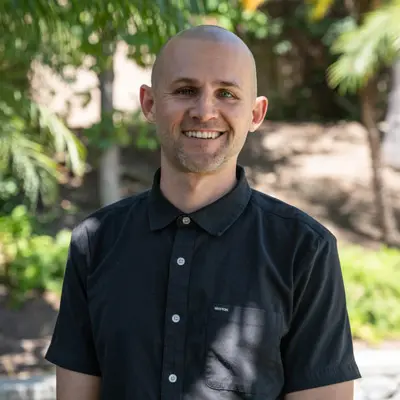
Clint Kreider
Clinical Director
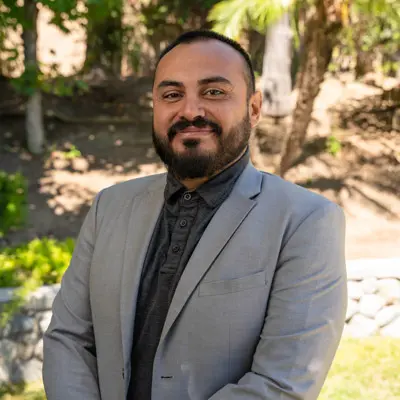
Chris Almendarez
Program Manager
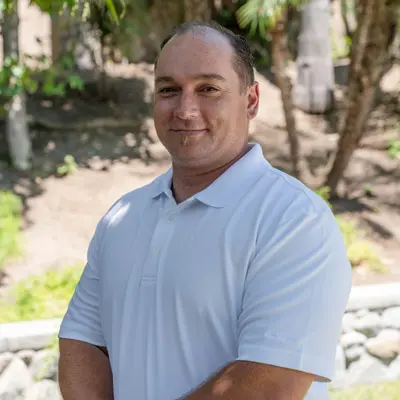
Joshua Ori
Operations Manager
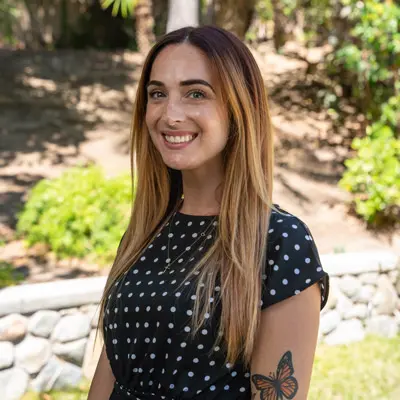
Britni Shelton
Human Resources Compliance Manager
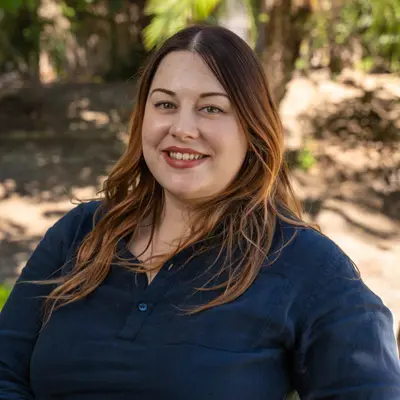
Harper Tassie
Therapist
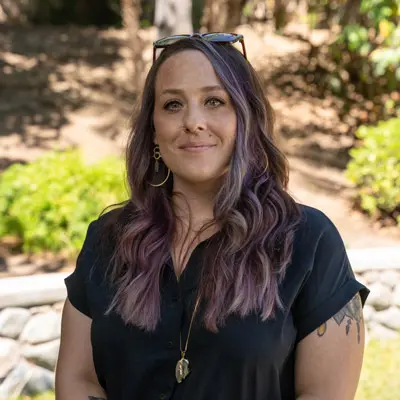
Hasya Gibbons
Case Manager
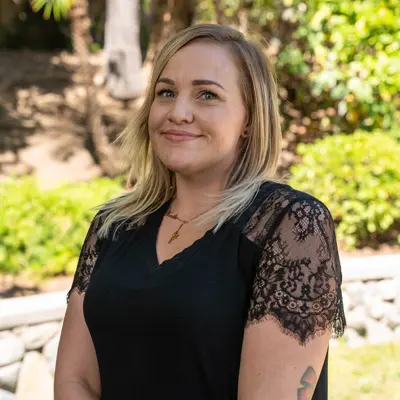
Samantha Farish
Lead BHT
Rehab.com regularly reviews this listing for accuracy but changes may occur between updates. For the most up-to-date information, please contact Better Days Treatment Center – Alcohol and Drug Rehab.
Contact Information

2220 W Judith Ln
Anaheim, CA 92804
Get Help Now - 714-406-5787
Sponsored Helpline
Sponsored Helpline
