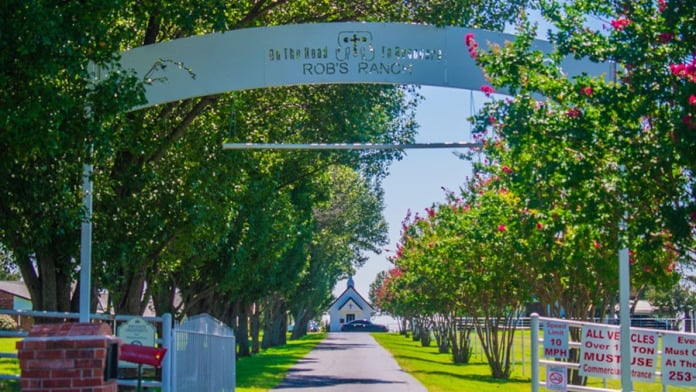
Medical detox is often the first step in treatment for many. People attend detox to withdraw from substances under medical supervision safely. Clients have access to tailored services to help them complete detox before transitioning to another level of care.
Residential rehab provides a safe space to live while completing treatment. Their neurological team understands the unique challenges people with TBIs and addiction face. Their highly personalized treatment plans offer access to individual and group therapy, continuous medical supervision, specialized physician services, medication management, and re entry support. Clients also benefit from recreational therapy, physical therapy, and vocational therapy.
People can live at home while seeking treatment in outpatient rehab. Their program offers multiple services to promote long term recovery, including group and individual therapy, 12 Step programs, relapse prevention programs, and addiction counseling.
Brookhaven Hospital accepts Medicaid, Medicare, and many major insurance providers. They may collaborate with Amerigroup, Ambetter, Bright Health, HCSC, BlueCross BlueShield, Aetna, and UnitedHealthcare to cover some treatment costs. Insurance coverage can vary, particularly with out of network benefits. Be sure to contact your provider for your specific insurance details.
Some of these other reviews seem very misleading. It is my understanding that this hospital shares a name with the hospital in a video game? So that’s why some of the pictures on reviews are a video game characters. Regardless, it is my understanding. Also that Brookhaven no longer has a ward for just drug use or mental health. All patients have brain injuries. Our nephew was at Brookhaven for several months getting treatment for his brain injury and struggles with acting out and my family has nothing but the best to say about their care. His therapist called us regularly and listened to what we had to say and his treatment really worked. He’s not living somewhat independently with no problems and appreciate medicine. I think some of these very old reviews need to be taken down
Scoring is assigned by a proprietary system which helps surface key metrics that determine quality. The 10-point scale factors in categories such as operations, customer satisfaction, and trust metrics. Read Full Methodology
7 / 10
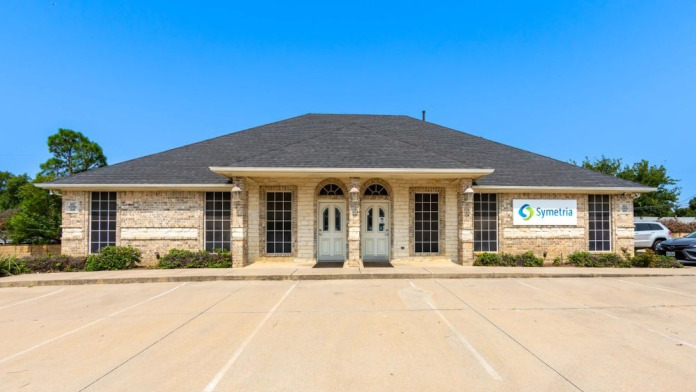
Gallery
Accepted Insurance
Please contact to verify your specific insurance provider.
Brookhaven Hospital works with several private insurance providers, please contact to verify your specific insurance provider.
Medicaid is a state based program that helps lower-income individuals and families pay for healthcare. Medicaid covers addiction treatment so those enrolled can use their coverage to pay for rehab. When a program accepts Medicaid the client often pays very little or nothing out of their own pocket.
Private insurance refers to any kind of healthcare coverage that isn't from the state or federal government. This includes individual and family plans offered by an employer or purchased from the Insurance Marketplace. Every plan will have different requirements and out of pocket costs so be sure to get the full details before you start treatment.
Self-pay involves paying for treatment out of your own pocket. You can use savings or credit, get a personal loan, or receive help from family and friends to fund your treatment. If you don't have insurance or your insurance plan doesn't cover a specific program, self-pay can help ensure you still get the care you need.
Medicare is a federal program that provides health insurance for those 65 and older. It also serves people under 65 with chronic and disabling health challenges. To use Medicare for addiction treatment you need to find a program that accepts Medicare and is in network with your plan. Out of pocket costs and preauthorization requirements vary, so always check with your provider.
Military members, veterans, and eligible dependents have access to specific insurance programs that help them get the care they need. TRICARE and VA insurance can help you access low cost or no cost addiction and mental health treatment. Programs that accept military insurance often have targeted treatment focused on the unique challenges military members, veterans, and their families face.
Addiction Treatments
Levels of Care
Brookhaven’s unique outpatient services provide a confidential, therapeutic experience that incorporates professional guidance with individualized medical consultations for individuals who seek help in dealing with life issues or other mental health concerns but do not need or wish to stay in a hospital setting. With separate visits to the outpatient clinic, patients can schedule appointments around their own lives, giving them more control over their treatments.
At Brookhaven, the Outpatient Specialty Treatment Programs include: Anxiety treatment and Mood disorder treatment.
Drug and alcohol addiction often takes a heavy toll on one's body. Over time, a physical dependence can develop, meaning the body physiologically needs the substance to function. Detox is the process of removing drugs and/or alcohol from the body, a process that can be lethal if mismanaged. Medical detox is done by licensed medical professionals who monitor vital signs and keep you safe, healthy, and as comfortable as possible as you go through detox and withdrawal.
Residential treatment programs are those that offer housing and meals in addition to substance abuse treatment. Rehab facilities that offer residential treatment allow patients to focus solely on recovery, in an environment totally separate from their lives.
For individuals suffering with behavioral health issues and addiction, recovery may sometimes require around-the-clock care in a safe, secure and structured setting. During their stay at Brookhaven’s 64-bed facility, patients receive personalized, comprehensive care from our team of doctors, therapists, social workers and nurses—all dedicated to the healing and recovery process.
12-step programs are addiction recovery models based on Alcoholics Anonymous (AA). A number of substance abuse programs (including some drug and alcohol rehab centers) use the 12 steps as a basis for treatment. Beginning steps involve admitting powerlessness over the addiction and creating a spiritual basis for recovery. Middle steps including making direct amends to those who've been hurt by the addiction, and the final step is to assist others in addiction recovery in the same way. 12-Step offshoots including Narcotics Anonymous (NA), Cocaine Anonymous (CA), Dual Recovery Anonymous (DRA), Sex and Love Addicts Anonymous (SLAA) and Gamblers Anonymous (GA).
At certain points in the recovery process, it's important to have support available 24/7. 24-hour clinical care offers a safe environment in which to recover from drug or alcohol addiction in peace, knowing medical detox and other treatment will happen with professionals on hand.
A partial hospitalization program (PHP) is ideal for those with moderate to severe addictions who don't require 24-hour care. PHP treatment can be an alternative to inpatient hospitalization or a step-down option after hospital or residential care. During a partial hospitalization program, you'll engage in daily therapeutic services for a minimum of 20 hours a week with the ability to return home. The cost of a partial hospitalization program can vary but is often covered by providers.
Treatments
The goal of treatment for alcoholism is abstinence. Those with poor social support, poor motivation, or psychiatric disorders tend to relapse within a few years of treatment. For these people, success is measured by longer periods of abstinence, reduced use of alcohol, better health, and improved social functioning. Recovery and Maintenance are usually based on 12 step programs and AA meetings.
To address the issues of addiction, each drug rehab in Oklahoma is tailored to meet the individual's needs. Treatment may occur in a residential or outpatient setting, and may last from a few days to several months.
Many of those suffering from addiction also suffer from mental or emotional illnesses like schizophrenia, bipolar disorder, depression, or anxiety disorders. Rehab and other substance abuse facilities treating those with a dual diagnosis or co-occurring disorder administer psychiatric treatment to address the person's mental health issue in addition to drug and alcohol rehabilitation.
A combined mental health and substance abuse rehab has the staff and resources available to handle individuals with both mental health and substance abuse issues. It can be challenging to determine where a specific symptom stems from (a mental health issue or an issue related to substance abuse), so mental health and substance abuse professionals are helpful in detangling symptoms and keeping treatment on track.
Opioid rehabs specialize in supporting those recovering from opioid addiction. They treat those suffering from addiction to illegal opioids like heroin, as well as prescription drugs like oxycodone. These centers typically combine both physical as well as mental and emotional support to help stop addiction. Physical support often includes medical detox and subsequent medical support (including medication), and mental support includes in-depth therapy to address the underlying causes of addiction.
Programs
Adult rehab programs include therapies tailored to each client's specific needs, goals, and recovery progress. They are tailored to the specific challenges adult clients may face, including family and work pressures and commitments. From inpatient and residential treatment to various levels of outpatient services, there are many options available. Some facilities also help adults work through co-occurring conditions, like anxiety, that can accompany addiction.
The Behavioral Health programs at Brookhaven Hospital offer help and hope for returning combat veterans suffering from PTSD and other combat-related behavioral health issues. Their programs are solution-focused and designed to help returning veterans acquire the coping skills necessary to manage their symptoms, prevent relapse and make a successful transition back into civilian life.
Young adulthood can be an exciting, yet difficult, time of transition. Individuals in their late teens to mid-20s face unique stressors related to school, jobs, families, and social circles, which can lead to a rise in substance use. Rehab centers with dedicated young adult programs will include activities and amenities that cater to this age group, with an emphasis on specialized counseling, peer socialization, and ongoing aftercare.
Clinical Services
Whether a marriage or other committed relationship, an intimate partnership is one of the most important aspects of a person's life. Drug and alcohol addiction affects both members of a couple in deep and meaningful ways, as does rehab and recovery. Couples therapy and other couples-focused treatment programs are significant parts of exploring triggers of addiction, as well as learning how to build healthy patterns to support ongoing sobriety.
Eating disorders include anorexia, bulimia, binge eating, and dysfunctional eating patterns. Many psychologists and other mental health professionals consider eating disorders to be food addictions, meaning food is being used in an addictive way (similar to drug or alcohol addiction). Certain substance abuse treatment programs will have treatment for eating disorders as one of the services offered. An eating disorder may also present as a co-occuring disorder or dual diagnosis alongside drug and alcohol addiction.
Research clearly demonstrates that recovery is far more successful and sustainable when loved ones like family members participate in rehab and substance abuse treatment. Genetic factors may be at play when it comes to drug and alcohol addiction, as well as mental health issues. Family dynamics often play a critical role in addiction triggers, and if properly educated, family members can be a strong source of support when it comes to rehabilitation.
Group therapy is any therapeutic work that happens in a group (not one-on-one). There are a number of different group therapy modalities, including support groups, experiential therapy, psycho-education, and more. Group therapy involves treatment as well as processing interaction between group members.
In individual therapy, a patient meets one-on-one with a trained psychologist or counselor. Therapy is a pivotal part of effective substance abuse treatment, as it often covers root causes of addiction, including challenges faced by the patient in their social, family, and work/school life.
Life skills trainings involve all the skills a person must have in order to function successfully in the world. These include time management, career guidance, money management, and effective communication. Truly successful addiction recovery is based on the ability to not only live substance-free, but to thrive. Life skills teaches the practical necessities of functioning in society, which sets clients up for success in life, and therefore sobriety.
Nutrition therapy, aka medical nutrition therapy (MNT), is a way of treating physical, emotional, and medical conditions through diet. Specific dietary plans are designed by professional nutritionists or registered dietitians, and patients follow them in order to positively affect their physical and mental health.
Motivational interviewing may be used on its own or in conjunction with other treatment approaches. It is designed as a mode of communication rather than an intervention. It involves asking questions, listening, and encouraging clients to come to their own conclusions and feel empowered to make changes in their lives.
If you participate in cognitive behavioral therapy in Oklahoma, you can expect to attend somewhere between five and 20 sessions. This short term method is an effective way to learn healthy coping strategies that help you change your thinking and behavior patterns.
Amenities
Residential Setting
Private Setting
Staff & Accreditations
Staff
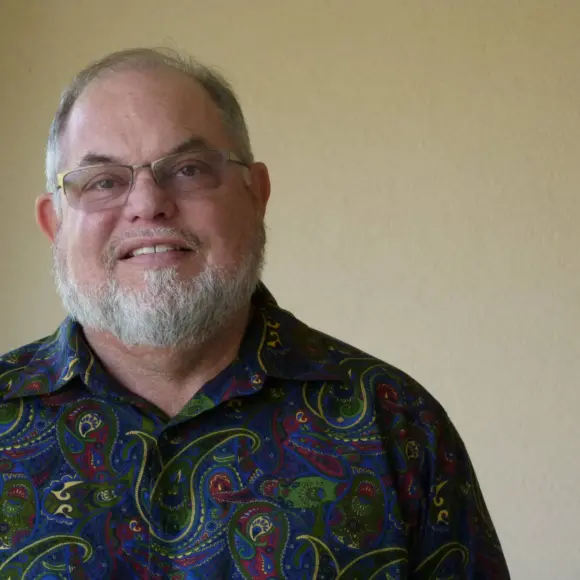
Mark D. Gage, DO
Medical Director
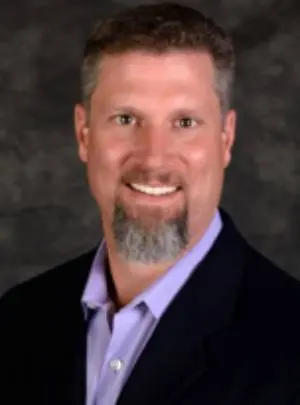
Coby D. Nirider, PT, DPT
CCO
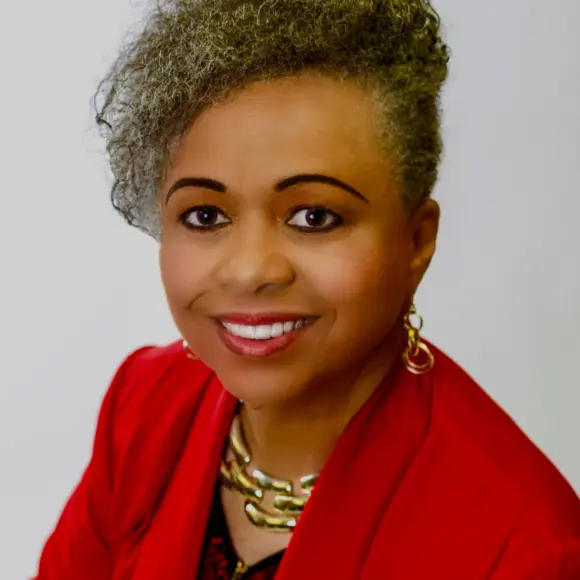
Janice Ponds, LADC, CBIS
Director of Utilization Review
Dr. Naveen Kumar, MD
Staff Psychiatrist
Accreditations
The Joint Commission, formerly known as JCAHO, is a nonprofit organization that accredits rehab organizations and programs. Founded in 1951, the Joint Commision's mission is to improve the quality of patient care and demonstrating the quality of patient care.
Joint Commission Accreditation: Yes
The Commission on Accreditation of Rehabilitation Facilities (CARF) is a non-profit organization that specifically accredits rehab organizations. Founded in 1966, CARF's, mission is to help service providers like rehab facilities maintain high standards of care.
CARF Accreditation: Yes
Rehab.com regularly reviews this listing for accuracy but changes may occur between updates. For the most up-to-date information, please contact Brookhaven Hospital.
We tried over 50 facilities for this patient and Brookhaven is the only one who could treat brain injury, mental health issues AND was willing to work with Medicaid. The case manager was very helpful and caring. Unfortunately Medicaid would not fund but I’m so grateful for ...
Read More
J W.
Reviewed on 1/15/2025
Staff
5
Amenities
5
Meals
5
Value
5
Cleanliness
5
1
Worst place ever! They are useless can't even do a simple task, the nurses do not worry about doing their job well, they are the laziest people I have ever met, would never recommend this place to anyone!!!
well might wanna change the name or something i wouldn't wanna set foot in brookehaven mental hospital from silent hill
Sara grenard
6 months ago
5
Did amazing work with my son. Thank u so much
Steven Jacobs
6 months ago
5
Some of these other reviews seem very misleading. It is my understanding that this hospital shares a name with the hospital in a video game? So that’s why some of the pictures on reviews are a video game characters. Regardless, it is my understanding. Also that Brookhaven no longer has a ward for just drug use or mental health. All patients have brain injuries. Our nephew was at Brookhaven for several months getting treatment for his brain injury and struggles with acting out and my family has nothing but the best to say about their care. His therapist called us regularly and listened to what we had to say and his treatment really worked. He’s not living somewhat independently with no problems and appreciate medicine. I think some of these very old reviews need to be taken down
Mariah Bourne received her Master of Arts in Community Social Psychology from the University of Massachusetts Lowell. She later served as a Research Associate in many studies focused on education, addiction, and treatment, including one examining the efficacy of an LED treatment device in reducing opioid cravings. Currently, she works as a freelance writer and is dedicated to providing helpful information to those seeking recovery from substance abuse.
By calling the helpline you agree to the terms of use. We do not receive any commission or fee that is dependent upon which treatment provider a caller chooses. There is no obligation to enter treatment.
Calls to numbers on a specific treatment center listing will be routed to that treatment center. Calls to any general helpline could be forwarded to SAMHSA or a verified treatment provider.
If you wish to connect with non-sponsor centers, you can browse top-rated listings, visit our homepage and browse by state, or visit SAMHSA.

 Sponsored Helpline






























































































 64
64 






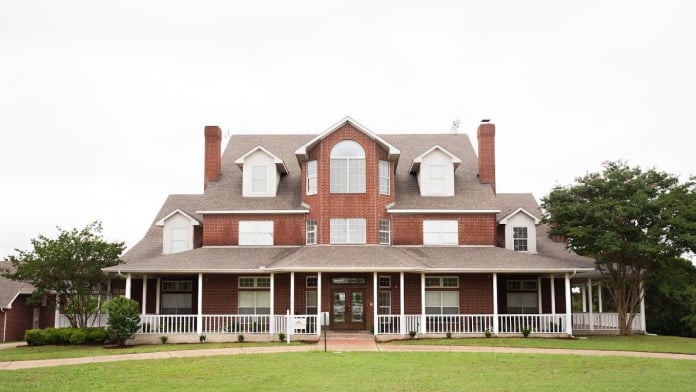
 Residential Setting
  Private Setting