





























































































I have never felt that a treatment center was genuine until coming here. I have been to dozens of other centers over the years, and this was the first time I felt I truly got the care I needed. Everyone on staff here took time to ask how I was doing every day, and it felt a ...
About California Prime Recovery Drug & Alcohol Rehab Orange County
One of the best intensive outpatient programs in CA, California Prime Recovery allows you to meet your family and work or educational obligations during the daytime. Your program begins with an assessment that forms the foundation of your personalized treatment program. This may start with medication assisted treatment which uses FDA approved medications to reduce withdrawal symptoms. MAT can also be used in ongoing treatment to reduce cravings and the potential for relapse.
They provide options for drug court programming to reduce recidivism and a pet friendly sober living environment. Their mental health program addresses co-occurring mental health conditions in similar outpatient programming. They provide psychiatric stabilization treatment center and supportive housing when your primary diagnosis is a mental health condition.
Their treatment approaches include evidence-based treatments like cognitive behavioral therapy, alongside holistic treatments including neurofeedback, vocational development programming, adventure therapy, nutritional therapy, art therapy, and equine therapy, among others. They treat a variety of substance use disorders and mental health conditions including depression, anxiety disorders, schizophrenia, dissociative disorders, and post traumatic stress disorders. They work with most major insurance companies in the area and will verify your insurance before treatment begins.
Latest Reviews
Great experience. Provided all the resources needed.
Response from the owner3 weeks ago
Thank you, Tom, for your 5-star review! We appreciate you taking the time to share your feedback.
Great place to get sober.
Response from the owner3 weeks ago
Thank you, Chris, for your kind words and 5-star review! We appreciate you taking the time to share your feedback.
I would recommend Cali Prime to anyone seeking a treatment Program, all the staff were respectful and kind and committed to helping the clients in any way they can.
Response from the owner3 weeks ago
Thank you, Jonathan, for your kind words and recommendation! We truly appreciate you taking the time to share your feedback about our team. 
Rehab Score
 Our Methodology
Scoring is assigned by a proprietary system which helps surface key metrics that determine quality. The 10-point scale factors in categories such as operations, customer satisfaction, and trust metrics. Read Full Methodology

9.2 / 10
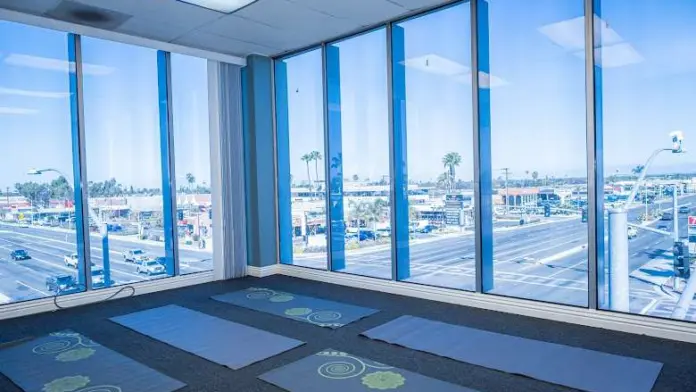
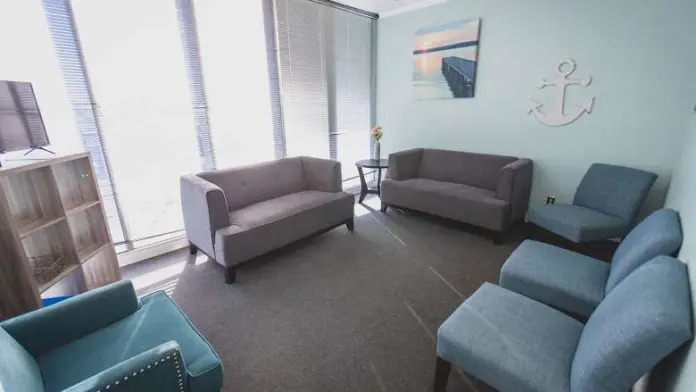
Gallery

Accepted Insurance

Managed Health Network (MHN)

HMC HealthWorks
Other Forms of Payment
Private insurance refers to any kind of healthcare coverage that isn't from the state or federal government. This includes individual and family plans offered by an employer or purchased from the Insurance Marketplace. Every plan will have different requirements and out of pocket costs so be sure to get the full details before you start treatment.
Self-pay involves paying for treatment out of your own pocket. You can use savings or credit, get a personal loan, or receive help from family and friends to fund your treatment. If you don't have insurance or your insurance plan doesn't cover a specific program, self-pay can help ensure you still get the care you need.
Military members, veterans, and eligible dependents have access to specific insurance programs that help them get the care they need. TRICARE and VA insurance can help you access low cost or no cost addiction and mental health treatment. Programs that accept military insurance often have targeted treatment focused on the unique challenges military members, veterans, and their families face.
Addiction Treatments
Levels of Care
Outpatient programs are for those seeking mental rehab or drug rehab, but who also stay at home every night. The main difference between outpatient treatment (OP) and intensive outpatient treatment (IOP) lies in the amount of hours the patient spends at the facility. Most of the time an outpatient program is designed for someone who has completed an inpatient stay and is looking to continue their growth in recovery. Outpatient is not meant to be the starting point, it is commonly referred to as aftercare. California Prime Recovery's iOP meets 1 hour for typically 2 days a week.
For clients who need a live-in level of structure, California Prime Recovery pairs full-day programming with coordinated residential sober living, creating an immersive base during the early phase of treatment before stepping down to outpatient care.
Intensive Outpatient programs are for those who want or need a very structured treatment program but who also wish to live at home and continue with certain responsibilities (such as work or school). IOP substance abuse treatment programs vary in duration and intensity, and certain outpatient rehab centers will offer individualized treatment programs. California Prime Recovery's iOP meets 3 hours for 5 days a week.
12-step programs are addiction recovery models based on Alcoholics Anonymous (AA). A number of substance abuse programs (including some drug and alcohol rehab centers) use the 12 steps as a basis for treatment. Beginning steps involve admitting powerlessness over the addiction and creating a spiritual basis for recovery. Middle steps including making direct amends to those who've been hurt by the addiction, and the final step is to assist others in addiction recovery in the same way. 12-Step offshoots including Narcotics Anonymous (NA), Cocaine Anonymous (CA), Dual Recovery Anonymous (DRA), Sex and Love Addicts Anonymous (SLAA) and Gamblers Anonymous (GA).
Sober Living Houses (SLHs), aka sober homes or halfway houses, are safe, substance-free, supportive living facilities for those recovering from substance abuse. Ideal for those who've just been through inpatient or outpatient treatment, SLHs are supervised environments with rules that support sobriety, such as curfews, shared chores, and therapeutic meetings. Residents are also often trained on life skills and coping skills to make it easier to transition into society. SLHs also provide a strong sense of community that can lead to the kind of deep and lasting connections with other sober individuals that supports a new, healthy lifestyle.
California Prime Recovery can help families take the first step by coordinating a professional intervention, guiding a loved one toward assessment and the facility's treatment programs.
California Prime Recovery's partial hospitalization program is the most structured of its three outpatient levels in Fountain Valley, giving clients full days of clinical programming while they return to coordinated sober living or home in the evenings. It suits people who need intensive daily support but not a locked inpatient setting.
Treatment at California Prime Recovery can begin with medication-assisted treatment, using FDA-approved medications to ease withdrawal symptoms and, later in care, to reduce cravings and relapse risk. It is paired with the facility's outpatient therapy so clients move from stabilization into ongoing recovery without a gap.
California Prime Recovery offers telehealth options so clients can attend eligible therapy and support sessions remotely, helping maintain continuity of care when attending in person is not practical.
Treatments
The goal of treatment for alcoholism is abstinence. Those with poor social support, poor motivation, or psychiatric disorders tend to relapse within a few years of treatment. For these people, success is measured by longer periods of abstinence, reduced use of alcohol, better health, and improved social functioning. Recovery and Maintenance are usually based on 12 step programs and AA meetings.
California Prime Recovery treats addiction to opioids, stimulants, and other substances through its outpatient levels in Fountain Valley, combining medication support where appropriate with individual and group therapy. Care is built around each person's history rather than a fixed track.
Opioid rehabs specialize in supporting those recovering from opioid addiction. They treat those suffering from addiction to illegal opioids like heroin, as well as prescription drugs like oxycodone. These centers typically combine both physical as well as mental and emotional support to help stop addiction. Physical support often includes medical detox and subsequent medical support (including medication), and mental support includes in-depth therapy to address the underlying causes of addiction.
Substance rehabs focus on helping individuals recover from substance abuse, including alcohol and drug addiction (both illegal and prescription drugs). They often include the opportunity to engage in both individual as well as group therapy.
Because California Prime Recovery views addiction and mental health as intertwined, its programming treats both together rather than in sequence. Clients whose substance use overlaps with conditions like depression, anxiety, or trauma receive integrated care within one plan.
California Prime Recovery is built around co-occurring care, treating substance use disorders and conditions such as depression, anxiety, and PTSD side by side. When a mental health condition is the primary diagnosis, the facility also offers psychiatric stabilization and supportive housing.
California Prime Recovery offers a mental health track for people whose primary concern is a condition such as depression, anxiety, a dissociative disorder, or PTSD, using the same outpatient structure as its addiction programming. Psychiatric stabilization and supportive housing are available when needed.
Programs
California Prime Recovery's programming is designed for adults navigating substance use, mental health conditions, or both, with individualized outpatient plans that progress through the facility's three-level system.
California Prime Recovery welcomes young adults into its programming, tailoring individualized outpatient plans to the priorities of clients establishing independence in early adulthood.
California Prime Recovery supports veterans and service members, including care that addresses combat-related trauma, PTSD, and reintegration, drawing on its trauma-focused and dual-diagnosis programming.
California Prime Recovery offers gender-specific accommodations for men, coordinating sober living that the facility has found provides more comfort and support during recovery.
California Prime Recovery offers gender-specific programming and accommodations for women, addressing needs and experiences particular to women alongside its core outpatient treatment.
Clinical Services
Cognitive behavioral therapy is one of the core evidence-based modalities in California Prime Recovery's outpatient programming, helping clients connect the thoughts and feelings that drive substance use with healthier responses. It runs alongside the facility's holistic offerings rather than in isolation.
California Prime Recovery uses dialectical behavior therapy within its individualized outpatient plans to help clients build emotion regulation and distress tolerance skills, which is especially relevant for those managing co-occurring mental health conditions.
Group therapy is any therapeutic work that happens in a group (not one-on-one). There are a number of different group therapy modalities, including support groups, experiential therapy, psycho-education, and more. Group therapy involves treatment as well as processing interaction between group members.
In individual therapy, a patient meets one-on-one with a trained psychologist or counselor. Therapy is a pivotal part of effective substance abuse treatment, as it often covers root causes of addiction, including challenges faced by the patient in their social, family, and work/school life.
Motivational interviewing is used at California Prime Recovery to help clients strengthen their own reasons for change, a fit for a program that emphasizes individualized, stage-appropriate care through its three-level system.
California Prime Recovery integrates trauma-focused work into treatment for clients whose substance use is tied to unresolved trauma or PTSD, reflecting the facility's view that underlying causes must be addressed for recovery to hold.
California Prime Recovery offers couples-focused sessions for clients whose recovery involves a partner, supporting communication and shared understanding as part of a broader individualized plan.
EMDR is available at California Prime Recovery as part of its trauma-focused care, giving clients a structured way to process traumatic memories that may underlie substance use or co-occurring conditions.
California Prime Recovery involves families in treatment, reflecting its commitment to assisting both individuals and the loved ones affected by addiction and mental health conditions. Family sessions support communication and a more stable home environment for recovery.
Life skills trainings involve all the skills a person must have in order to function successfully in the world. These include time management, career guidance, money management, and effective communication. Truly successful addiction recovery is based on the ability to not only live substance-free, but to thrive. Life skills teaches the practical necessities of functioning in society, which sets clients up for success in life, and therefore sobriety.
Amenities
-
 Private Transportation
 -
 Residential Setting
 -
 Private Rooms
 -
 Beach Setting
Staff & Accreditations
Staff

Karynne Witkin
Chief Executive Officer
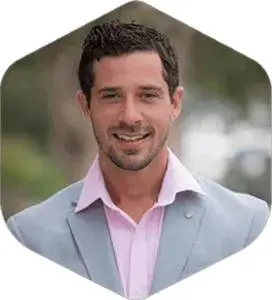
Stephen Carmel
Founder
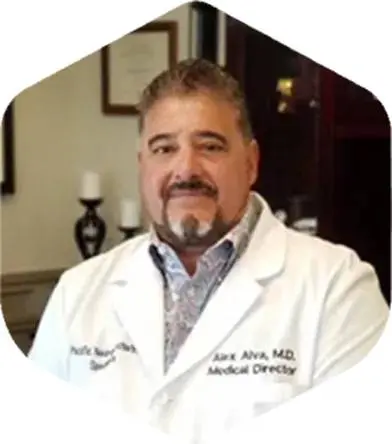
Dr Alejandro Alva, MD
Medical Director & Psychiatrist
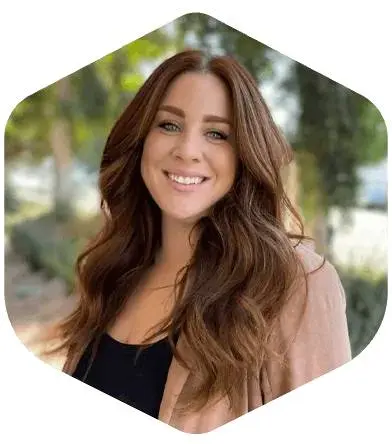
Alyssa Mueller, LCSW
Clinical Director
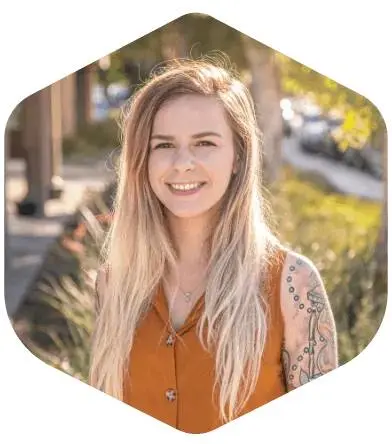
Kayli Sullivan
Director of Administration
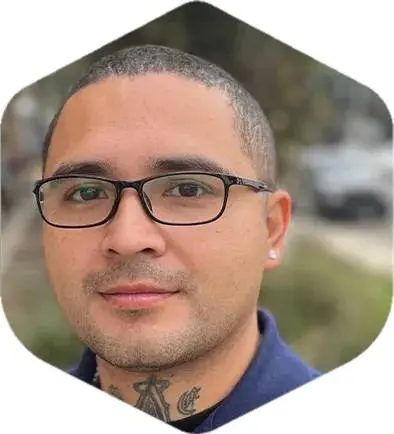
Wilson Mamian
Operations Manager
Accreditations

LegitScript has reviewed California Prime Recovery Drug & Alcohol Rehab Orange County as part of their certification program, and has determined that it meets the LegitScript standards for legality, safety and transparency.
LegitScript verified in

State Licenses are permits issued by government agencies that allow rehab organizations to conduct business legally within a certain geographical area. Typically, the kind of program a rehab facility offers, along with its physical location, determines which licenses are required to operate legally.
State License: California

The Joint Commission, formerly known as JCAHO, is a nonprofit organization that accredits rehab organizations and programs. Founded in 1951, the Joint Commision's mission is to improve the quality of patient care and demonstrating the quality of patient care.
Joint Commission Accreditation: Yes
Rehab.com regularly reviews this listing for accuracy but changes may occur between updates. For the most up-to-date information, please contact California Prime Recovery Drug & Alcohol Rehab Orange County.
Contact Information

17330 Newhope Street
Unit A
Fountain Valley, CA 92708
Get Help Now - 714-450-6763
Sponsored Helpline
Sponsored Helpline


