Our Rehab Score is designed to make it easier for you to find the best treatment centers. We combine overall ratings with recent feedback to create a score that reflects a center's quality right now.
Our Rehab Score is designed to make it easier for you to find the best treatment centers. We combine overall ratings with recent feedback to create a score that reflects a center's quality right now.
7.85 / 10
About Centerstone
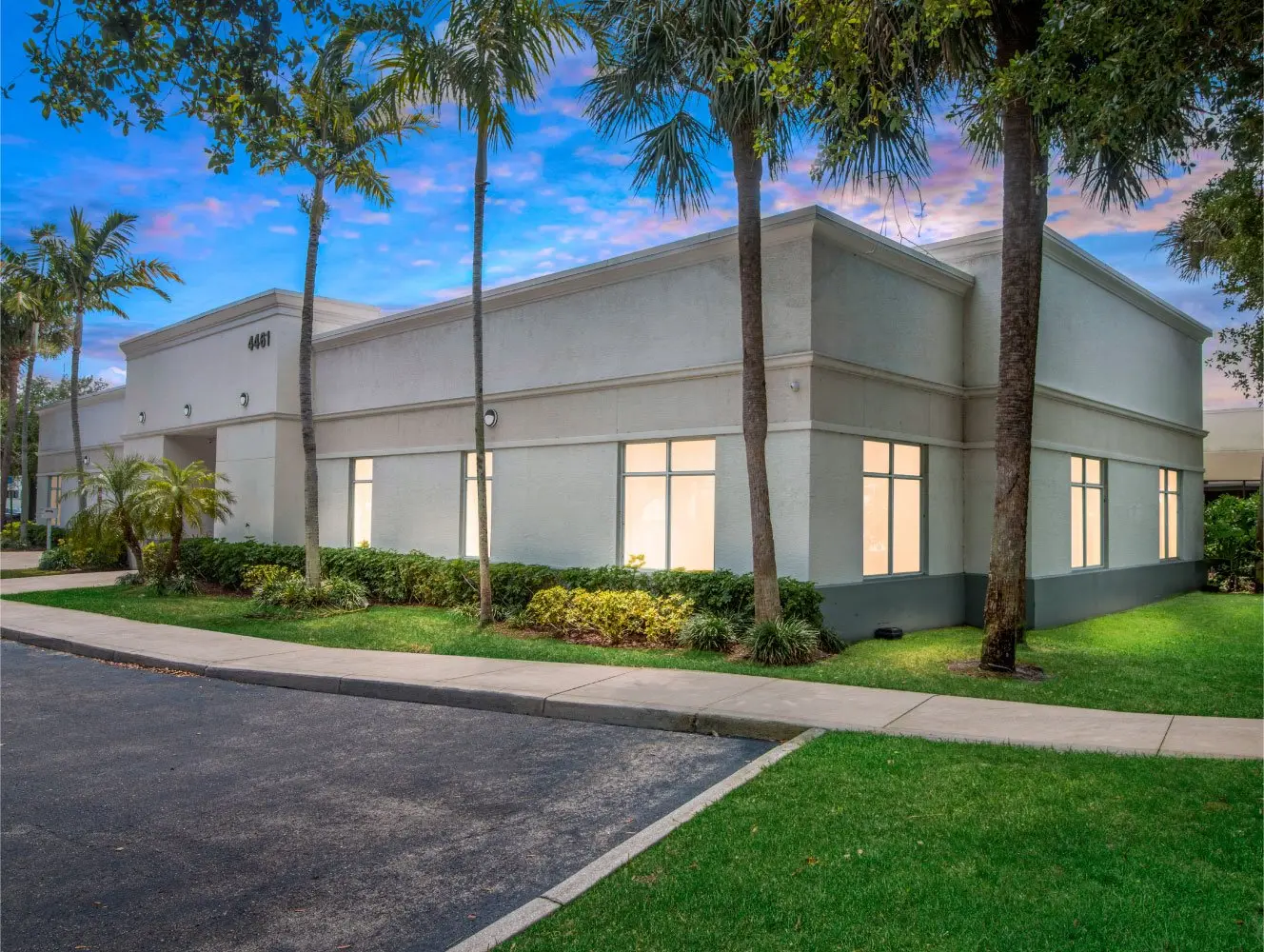
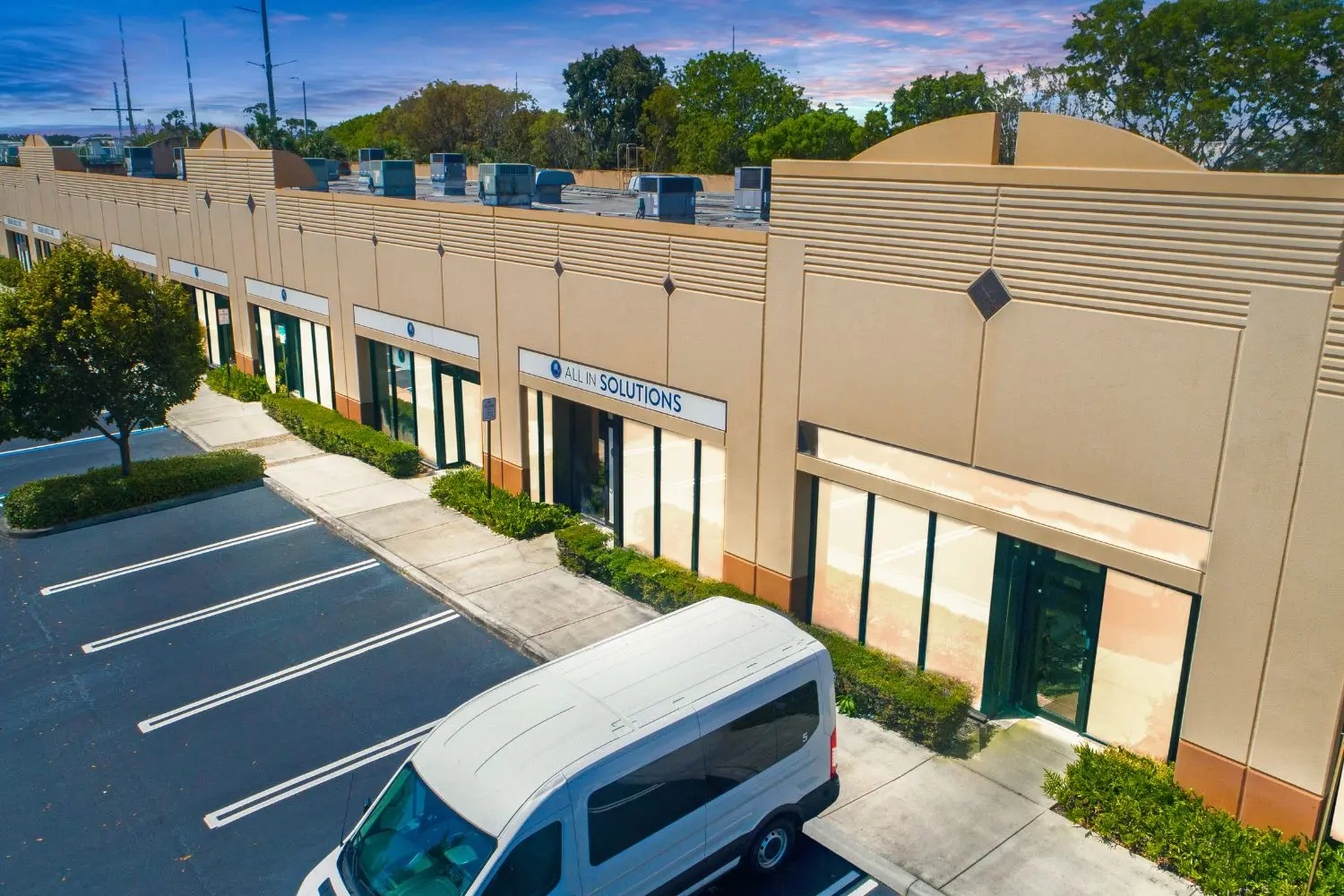
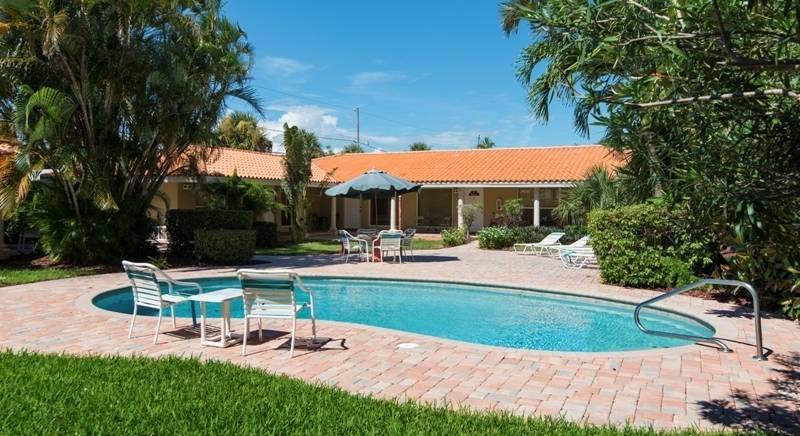
Located in Bradenton, Florida, Centerstone is a non profit organization that provides treatment for co-occurring trauma and addictions The services available at this facility include medication therapy, case management and crisis intervention. The facility accepts payment through Medicaid and Medicare.
Crisis Services to Avoid Relapsing
Sometimes, stressful moments arise where clients are in need of immediate support to avoid relapsing. These can include family issues or traumatic experiences. Centerstone provides crisis services that includes assessments, referrals to appropriate care and short term counseling.
Clients can walk into the facility to receive help Monday through Friday. Centerstone also understands that in some cases, a crisis may occur outside of their regular office hours. Mobile Response Crisis Intervention Services are available around the clock.
Accessible Care Near St. Petersburg and Tampa
Centerstone Bradenton is only a half hour away from St. Petersburg and less than an hour away from Tampa, Florida. You can take a day trip to these locations and enjoy activities such as walking around Boyd Hill Nature Preserve or riding roller coasters at Busch Gardens Tampa Bay. Bradenton is also not far from various beaches such as Holmes Beach and Bradenton Beach.
Mental Health Treatment to Prevent Addiction
The staff uses psychological testing and medication therapy to address mental health disorders that may be causing your addiction. Some of the issues that the facility can treat are anxiety, depression, and schizophrenic disorders. You’ll have the option of participating in individual, group and family therapy.
Two years ago, I turned to Centerstone after experiencing severe medical trauma and extrapyramidal side effects—including life-threatening larynx spasms—under the care of a private psychiatric practice. Having lost two jobs and suffering from horrible physical and neurological side effects, I was desperate for help. I contacted Centerstone and was scheduled to meet with Dr. Lilas Harley.
If I could give this practice 1,000 stars, I would. While there are occasional administrative communication gaps—such as appointments being changed without my preferred text notification—the quality of care far outweighs any scheduling inconveniences.
Dr. Harley quite literally saved my life. In my 50 years, I have never encountered a more compassionate, honest, and caring physician. While she expertly manages my clinical diagnosis, she consistently reminds me that I am more than a condition and that I deserve dignity as a human being.
Under her holistic care, I have healed significantly from my previous medical trauma. Even though I still manage chronic tardive dystonia in my neck, Dr. Harley has successfully guided my treatment using effective medications and vitamin regimens, leveraging her background as a DO. Furthermore, she encouraged me to find an excellent therapist who has been instrumental in my continued progress.
I allowed my own biases to keep me from seeking help here for years. I strongly encourage others not to make the same mistake. Centerstone is a wonderful facility, and I cannot recommend Dr. Harley highly enough.
5 stars are SPECIFICALLY for JENNY GILMORE!!! Her customer service skills go ABOVE and BEYOND the description of her job. She is the FIRST person who made me feel like I wasn't just alone or a patient, but a PERSON who needs a hand... KUDOS JENNY... Thank you for ALL your assistance.🙏🏾🙏🏾🙏🏾💃🏾💃🏾💃🏾
Thank you for all your help and support Viktoriia and Centerstone.. Always love meeting with Viktoriia, she is a great listener and always gives me healthy idea’s, perspective and insight.
Response from the owner1 day ago
Thank you Dante Nicastro, we love to hear such great things about Victoria. We appreciate you taking the time to give us a rating!
Scoring is assigned by a proprietary system which helps surface key metrics that determine quality. The 10-point scale factors in categories such as operations, customer satisfaction, and trust metrics. Read Full Methodology
7.9 / 10
Gallery
Accepted Insurance
Please contact to verify your specific insurance provider.
Centerstone works with several private insurance providers, please contact to verify your specific insurance provider.
Medicaid is a state based program that helps lower-income individuals and families pay for healthcare. Medicaid covers addiction treatment so those enrolled can use their coverage to pay for rehab. When a program accepts Medicaid the client often pays very little or nothing out of their own pocket.
Private insurance refers to any kind of healthcare coverage that isn't from the state or federal government. This includes individual and family plans offered by an employer or purchased from the Insurance Marketplace. Every plan will have different requirements and out of pocket costs so be sure to get the full details before you start treatment.
Self-pay involves paying for treatment out of your own pocket. You can use savings or credit, get a personal loan, or receive help from family and friends to fund your treatment. If you don't have insurance or your insurance plan doesn't cover a specific program, self-pay can help ensure you still get the care you need.
Financial aid can take many forms. Centers may have grants or scholarships available to clients who meet eligibility requirements. Programs that receive SAMHSA grants may have financial aid available for those who need treatment as well. Grants and scholarships can help you pai for treatment without having to repay.
Sliding scale payments are based on a client's income and family size. The goal is to make treatment affordable to everyone. By taking these factors into account, addiction recovery care providers help ensure that your treatment does not become a financial burden to you or your family, eliminating one barrier to care.
Medicare is a federal program that provides health insurance for those 65 and older. It also serves people under 65 with chronic and disabling health challenges. To use Medicare for addiction treatment you need to find a program that accepts Medicare and is in network with your plan. Out of pocket costs and preauthorization requirements vary, so always check with your provider.
Military members, veterans, and eligible dependents have access to specific insurance programs that help them get the care they need. TRICARE and VA insurance can help you access low cost or no cost addiction and mental health treatment. Programs that accept military insurance often have targeted treatment focused on the unique challenges military members, veterans, and their families face.
Addiction Treatments
Levels of Care
Outpatient programs are for those seeking mental rehab or drug rehab, but who also stay at home every night. The main difference between outpatient treatment (OP) and intensive outpatient treatment (IOP) lies in the amount of hours the patient spends at the facility. Most of the time an outpatient program is designed for someone who has completed an inpatient stay and is looking to continue their growth in recovery. Outpatient is not meant to be the starting point, it is commonly referred to as aftercare.
Centerstone offers the largest psychiatric specialist medical group in the region. The facility also provides individual and group counseling services for children,adults and seniors as well as family therapy to address individual emotional and behavioral problems. Counselors help with difficulties in many areas including mood management, anxiety, depression, family relationship issues, parenting, anger and co-occurring and additions. Psychologists offer testing to assist in care.
Residential treatment programs are those that offer housing and meals in addition to substance abuse treatment. Rehab facilities that offer residential treatment allow patients to focus solely on recovery, in an environment totally separate from their lives. Some rehab centers specialize in short-term residential treatment (a few days to a week or two), while others solely provide treatment on a long-term basis (several weeks to months). Some offer both, and tailor treatment to the patient's individual requirements.
Instensive Outpatient programs are for those who want or need a very structured treatment program but who also wish to live at home and continue with certain responsibilities (such as work or school). IOP substance abuse treatment programs vary in duration and intensity, and certain outpatient rehab centers will offer individualized treatment programs.
The Centerstone Intensive Outpatient Team provides community based services at an intensity and frequency required to prevent individuals from experiencing multiple crisis center/hospital admissions. The facility also assists family members in providing a support plan for their loves ones through personal concierge services.
Rehab aftercare programs are a collection of highly individualized services designed to promote long-term recovery. These services evolve as your needs change. Case managers and recovery teams typically begin formulating the rehab aftercare service plan early in the recovery process to facilitate your reintegration back into the home, workplace, and community.
12-step programs are addiction recovery models based on Alcoholics Anonymous (AA). A number of substance abuse programs (including some drug and alcohol rehab centers) use the 12 steps as a basis for treatment. Beginning steps involve admitting powerlessness over the addiction and creating a spiritual basis for recovery. Middle steps including making direct amends to those who've been hurt by the addiction, and the final step is to assist others in addiction recovery in the same way. 12-Step offshoots including Narcotics Anonymous (NA), Cocaine Anonymous (CA), Dual Recovery Anonymous (DRA), Sex and Love Addicts Anonymous (SLAA) and Gamblers Anonymous (GA).
A sober living home in Florida often serves as a transitional residence for individuals coming out of inpatient rehab. This helps those in recovery avoid isolation that can sometimes happen after they return home from treatment. It offers a supportive environment where they can practice skills learned in rehab. Offering a combination of structure and freedom, men's or women's sober living is a good stepping stone to independent life in recovery.
Intervention services helps family or friends of addicts stage an intervention, which is a meeting in which loved ones share their concerns and attempt to get an addict into treatment. Professional intervention specialists can help loved ones organize, gather, and communicate with an addict. They can guide intervention participants in describing the damage the addict's behavior is causing and that outside help is necessary to address the addiction. The ideal outcome of an intervention is for the addict to go to rehab and get the help they need.
Often referred to as "day treatment," a partial hospitalization program (PHP) offers an intensive treatment option that allows individuals to return home at night. PHP treatment typically requires a minimum of 20 hours a week for an average of 90 days. Participants attend daily therapeutic sessions, receive medication management, and have access to skilled medical professionals. While costs can vary, most insurance will fully or partially cover a partial hospitalization program.
At certain points in the recovery process, it's important to have support available 24/7. 24-hour clinical care offers a safe environment in which to recover from drug or alcohol addiction in peace, knowing medical detox and other treatment will happen with professionals on hand.
Drug and alcohol addiction often takes a heavy toll on one's body. Over time, a physical dependence can develop, meaning the body physiologically needs the substance to function. Detox is the process of removing drugs and/or alcohol from the body, a process that can be lethal if mismanaged. Medical detox is done by licensed medical professionals who monitor vital signs and keep you safe, healthy, and as comfortable as possible as you go through detox and withdrawal.
Treatments
The goal of treatment for alcoholism is abstinence. Those with poor social support, poor motivation, or psychiatric disorders tend to relapse within a few years of treatment. For these people, success is measured by longer periods of abstinence, reduced use of alcohol, better health, and improved social functioning. Recovery and Maintenance are usually based on 12 step programs and AA meetings.
Drug rehab in Florida provides quality treatment to help individuals overcome dependency related to a wide range of addictive substances. Programs address both the physical and mental aspects of addiction in order to help you make a full recovery.
Many of those suffering from addiction also suffer from mental or emotional illnesses like schizophrenia, bipolar disorder, depression, or anxiety disorders. Rehab and other substance abuse facilities treating those with a dual diagnosis or co-occurring disorder administer psychiatric treatment to address the person's mental health issue in addition to drug and alcohol rehabilitation.
A combined mental health and substance abuse rehab has the staff and resources available to handle individuals with both mental health and substance abuse issues. It can be challenging to determine where a specific symptom stems from (a mental health issue or an issue related to substance abuse), so mental health and substance abuse professionals are helpful in detangling symptoms and keeping treatment on track.
Opioid rehabs specialize in supporting those recovering from opioid addiction. They treat those suffering from addiction to illegal opioids like heroin, as well as prescription drugs like oxycodone. These centers typically combine both physical as well as mental and emotional support to help stop addiction. Physical support often includes medical detox and subsequent medical support (including medication), and mental support includes in-depth therapy to address the underlying causes of addiction.
Programs
Adult rehab programs include therapies tailored to each client's specific needs, goals, and recovery progress. They are tailored to the specific challenges adult clients may face, including family and work pressures and commitments. From inpatient and residential treatment to various levels of outpatient services, there are many options available. Some facilities also help adults work through co-occurring conditions, like anxiety, that can accompany addiction.
Young adulthood can be an exciting, yet difficult, time of transition. Individuals in their late teens to mid-20s face unique stressors related to school, jobs, families, and social circles, which can lead to a rise in substance use. Rehab centers with dedicated young adult programs will include activities and amenities that cater to this age group, with an emphasis on specialized counseling, peer socialization, and ongoing aftercare.
Clinical Services
Group therapy is any therapeutic work that happens in a group (not one-on-one). There are a number of different group therapy modalities, including support groups, experiential therapy, psycho-education, and more. Group therapy involves treatment as well as processing interaction between group members.
In individual therapy, a patient meets one-on-one with a trained psychologist or counselor. Therapy is a pivotal part of effective substance abuse treatment, as it often covers root causes of addiction, including challenges faced by the patient in their social, family, and work/school life.
As a short term therapeutic method, motivational interviewing in Florida requires only a couple of sessions. During these sessions, you'll have the opportunity to talk about your circumstances and any discrepancies between your current situation and future goals. You'll then decide for yourself what changes you want to make.
Trauma therapy addresses traumatic incidents from a client's past that are likely affecting their present-day experience. Trauma is often one of the primary triggers and potential causes of addiction, and can stem from child sexual abuse, domestic violence, having a parent with a mental illness, losing one or both parents at a young age, teenage or adult sexual assault, or any number of other factors. The purpose of trauma therapy is to allow a patient to process trauma and move through and past it, with the help of trained and compassionate mental health professionals.
During couples therapy in Florida, your therapist will take steps to get to know you, help you identify feelings, explore the past, develop solutions, and help you learn skills to manage relationship challenges. This process will allow you to work through conflict and strengthen your relationship.
Research clearly demonstrates that recovery is far more successful and sustainable when loved ones like family members participate in rehab and substance abuse treatment. Genetic factors may be at play when it comes to drug and alcohol addiction, as well as mental health issues. Family dynamics often play a critical role in addiction triggers, and if properly educated, family members can be a strong source of support when it comes to rehabilitation.
Life skills trainings involve all the skills a person must have in order to function successfully in the world. These include time management, career guidance, money management, and effective communication. Truly successful addiction recovery is based on the ability to not only live substance-free, but to thrive. Life skills teaches the practical necessities of functioning in society, which sets clients up for success in life, and therefore sobriety.
Substance abuse creates biochemical imbalances in your body and brain. By implementing dietary changes, you can restore that balance. This is the goal of nutrition therapy in Florida. You'll gain an understanding of what nutrients your body needs and learn best self care practices.
Recreational therapy helps you recover from addiction by giving you structured activities that promote your physical health and mental well being. These activities could range from sports and fitness to creative arts and provide a constructive outlet for your emotions and stress.
Creativity is inherently healing, and can help those in recovery express thoughts or feelings they might not otherwise be able to. Creative arts therapy can include music, poetry/writing, painting, sculpting, dance, theater, sandplay, and more. Unlike traditional art, the final product matters far less than the experience of creation and expression itself.
Your mind, body, and emotions interact in complex ways. Experiential therapy addresses all three of these aspects. Interactive and creative activities provide physical sensations and evoke emotional responses. These offer insight into how you interact with the world and any negative patterns you need to change.
Amenities
Private Setting
Staff & Accreditations
Staff
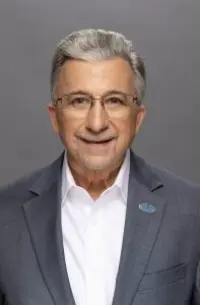
David Guth
Chief Executive Officer
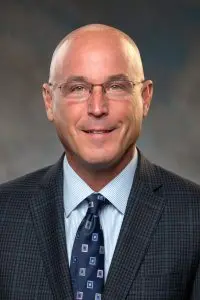
Kevin Norton
Chief Operating Officer
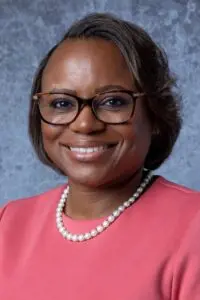
Carol Bean, MBA
Chief Financial Officer
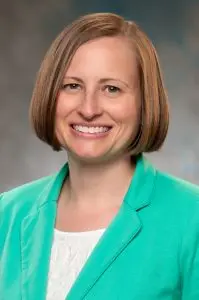
April Van Epps
Chief of Staff
Jason Hernandez, EdD, MBA
Chief Human Resources Officer
Prasad Kodali
Chief Information Officer
Johnel Reid
Chief Marketing Officer
Tyler Roebke, JD
Chief Compliance Officer
Accreditations
The Joint Commission, formerly known as JCAHO, is a nonprofit organization that accredits rehab organizations and programs. Founded in 1951, the Joint Commision's mission is to improve the quality of patient care and demonstrating the quality of patient care.
Joint Commission Accreditation: Yes
Rehab.com regularly reviews this listing for accuracy but changes may occur between updates. For the most up-to-date information, please contact Centerstone.
My wife deals with schizophrenia and needs very special medication. She lived in Utah and moved to Florida and the medication was not available without pre-authorization Centerstone and their pharmacy has been able to provide her the medication and keep her stable while we ...
Read More
Two years ago, I turned to Centerstone after experiencing severe medical trauma and extrapyramidal side effects—including life-threatening larynx spasms—under the care of a private psychiatric practice. Having lost two jobs and suffering from horrible physical and neurological side effects, I was desperate for help. I contacted Centerstone and was scheduled to meet with Dr. Lilas Harley.
If I could give this practice 1,000 stars, I would. While there are occasional administrative communication gaps—such as appointments being changed without my preferred text notification—the quality of care far outweighs any scheduling inconveniences.
Dr. Harley quite literally saved my life. In my 50 years, I have never encountered a more compassionate, honest, and caring physician. While she expertly manages my clinical diagnosis, she consistently reminds me that I am more than a condition and that I deserve dignity as a human being.
Under her holistic care, I have healed significantly from my previous medical trauma. Even though I still manage chronic tardive dystonia in my neck, Dr. Harley has successfully guided my treatment using effective medications and vitamin regimens, leveraging her background as a DO. Furthermore, she encouraged me to find an excellent therapist who has been instrumental in my continued progress.
I allowed my own biases to keep me from seeking help here for years. I strongly encourage others not to make the same mistake. Centerstone is a wonderful facility, and I cannot recommend Dr. Harley highly enough.
Shelley F
1 month ago
5
Response from the owner
Wow Shelley F, we are delighted to receive a 5-star rating! Thank you so much.
Thomas Bostaph
1 month ago
5
Response from the owner
Wow Thomas Bostaph, we are delighted to receive a 5-star rating! Thank you so much.
Ellana Hayes
1 month ago
5
5 stars are SPECIFICALLY for JENNY GILMORE!!! Her customer service skills go ABOVE and BEYOND the description of her job. She is the FIRST person who made me feel like I wasn't just alone or a patient, but a PERSON who needs a hand... KUDOS JENNY... Thank you for ALL your assistance.🙏🏾🙏🏾🙏🏾💃🏾💃🏾💃🏾
Eric has been a content writer in the health and wellness space for over six years. He has a passion for researching and putting together content that’s informative and easy for readers to understand.
By calling the helpline you agree to the terms of use. We do not receive any commission or fee that is dependent upon which treatment provider a caller chooses. There is no obligation to enter treatment.
Calls to numbers on a specific treatment center listing will be routed to that treatment center. Calls to any general helpline could be forwarded to SAMHSA or a verified treatment provider.
If you wish to connect with non-sponsor centers, you can browse top-rated listings, visit our homepage and browse by state, or visit SAMHSA.

 Sponsored Helpline




































































































 Private Setting