




























































































About Centerstone Carterville – Municipal Drive
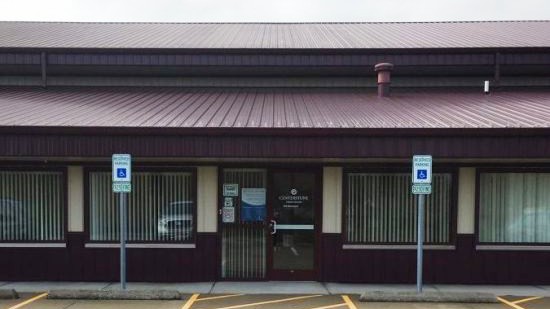
Centerstone Carterville Municipal Drive is an outpatient mental health and substance use treatment center in Carterville, Illinois offering accessible care for adults facing addiction and cooccurring disorders.
The center provides outpatient counseling, crisis services and mobile crisis response to support clients in the community. Centerstone takes a trauma informed person centered approach that addresses both substance use and mental health challenges in a flexible outpatient setting.
Trauma Informed Outpatient Addiction Treatment
Clients can access outpatient services designed for individuals who need structured support while maintaining work, school or family responsibilities.
For those experiencing a mental health or substance use crisis, the center offers Mobile Crisis Response connecting clients to immediate support and linking them to ongoing outpatient care when appropriate.
Treatment includes individual counseling and group therapy focused on skill building, relapse prevention and managing cooccurring mental health conditions.
Centerstone’s trauma informed model helps clients understand the root causes of their substance use and develop healthier coping strategies with the support of trained clinicians.
What to Know
- Location: Carterville, with easy access via Municipal Drive and directions available online
- Services offered: Outpatient mental health and substance use treatment, crisis services and mobile crisis response
- Approach: Trauma informed care, individual therapy and group counseling
- Payment options: Accepts multiple insurance plans including Aetna, Blue Cross Blue Shield, UnitedHealthcare, Humana, Molina, Medicare and military insurance with sliding scale fees and client assistance available
Latest Reviews



Rehab Score
 Our Methodology


Gallery
Accepted Insurance


Other Forms of Payment
Self-pay involves paying for treatment out of your own pocket. You can use savings or credit, get a personal loan, or receive help from family and friends to fund your treatment. If you don't have insurance or your insurance plan doesn't cover a specific program, self-pay can help ensure you still get the care you need.
Sliding scale payments are based on a client's income and family size. The goal is to make treatment affordable to everyone. By taking these factors into account, addiction recovery care providers help ensure that your treatment does not become a financial burden to you or your family, eliminating one barrier to care.
Medicaid is a state based program that helps lower-income individuals and families pay for healthcare. Medicaid covers addiction treatment so those enrolled can use their coverage to pay for rehab. When a program accepts Medicaid the client often pays very little or nothing out of their own pocket.
Medicare is a federal program that provides health insurance for those 65 and older. It also serves people under 65 with chronic and disabling health challenges. To use Medicare for addiction treatment you need to find a program that accepts Medicare and is in network with your plan. Out of pocket costs and preauthorization requirements vary, so always check with your provider.
Military members, veterans, and eligible dependents have access to specific insurance programs that help them get the care they need. TRICARE and VA insurance can help you access low cost or no cost addiction and mental health treatment. Programs that accept military insurance often have targeted treatment focused on the unique challenges military members, veterans, and their families face.
Addiction Treatments
Levels of Care
Outpatient Programs (OP) are for those seeking mental rehab or drug rehab, but who also stay at home every night. The main difference between outpatient treatment (OP) and intensive outpatient treatment (IOP) lies in the amount of hours the patient spends at the facility. Most of the time an outpatient program is designed for someone who has completed an inpatient stay and is looking to continue their growth in recovery. Outpatient is not meant to be the starting point, it is commonly referred to as aftercare.
Treatments
Mental health rehabs focus on helping individuals recover from mental illnesses like bipolar disorder, clinical depression, anxiety disorders, schizophrenia, and more. Mental health professionals at these facilities are trained to understand and treat mental health issues, both in individual and group settings.
Programs
Adult rehab programs include therapies tailored to each client's specific needs, goals, and recovery progress. They are tailored to the specific challenges adult clients may face, including family and work pressures and commitments. From inpatient and residential treatment to various levels of outpatient services, there are many options available. Some facilities also help adults work through co-occurring conditions, like anxiety, that can accompany addiction.
Clinical Services
In individual therapy, a patient meets one-on-one with a trained psychologist or counselor. Therapy is a pivotal part of effective substance abuse treatment, as it often covers root causes of addiction, including challenges faced by the patient in their social, family, and work/school life.
Staff

David Guth
CEO
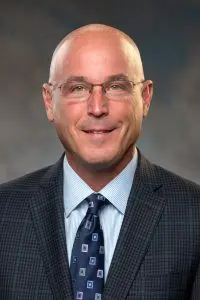
Kevin Norton
COO

Carol Bean
CFO
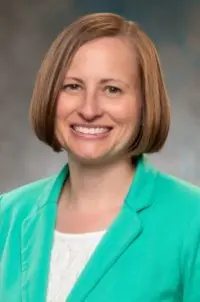
April Van Epps
Chief of Staff
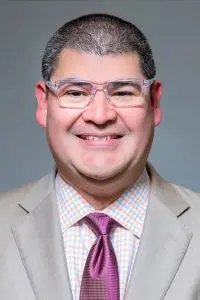
Dr. Jason Hernández
Chief Human Resources Officer

Prasad Kodali
CIO
Johnel Reid
CMO

Tyler Roebke
Chief Compliance Officer
Rehab.com regularly reviews this listing for accuracy but changes may occur between updates. For the most up-to-date information, please contact Centerstone Carterville – Municipal Drive.
Contact Information


403 Municipal Drive
Carterville, IL 62918
Sponsored Helpline

