






























































































About CleanSlate Centers
CleanSlate Centers is an outpatient addiction treatment center in Springfield, Massachusetts specializing in Medication Assisted Treatment for opioid and alcohol use disorders.
As part of a national medical group this office based clinic pairs FDA approved medications with counseling and support to treat the whole client.
Opioid and Alcohol Treatment With MAT
Care at CleanSlate begins with an outpatient assessment often with same-day or next-day appointments available so patients can start treatment quickly. The office-based model combines medical care and behavioral health support with ongoing follow-up visits to guide each stage of recovery.
Patients receive MAT using medications such as buprenorphine/naloxone (Suboxone), buprenorphine (Subutex), and naltrexone (Vivitrol) paired with counseling and recovery support.
Virtual and telehealth appointments are also offered for added flexibility and family members are supported as part of the recovery process.
Quick Facts About CleanSlate Centers
- Location: Springfield, Massachusetts, in a community outpatient clinic setting.
- Levels of care: Outpatient, office based addiction treatment with telehealth options.
- Who they treat: Clients with opioid and alcohol use disorders, with support for family members.
- Approach: Evidence based MAT combined with counseling and judgment free support.
- Medications offered: Suboxone, Subutex, and Vivitrol.
- Access: Same day or next day appointments and virtual visits from home.
Latest Reviews



Rehab Score
 Our Methodology


Location
Accepted Insurance
Other Forms of Payment
Self-pay involves paying for treatment out of your own pocket. You can use savings or credit, get a personal loan, or receive help from family and friends to fund your treatment. If you don't have insurance or your insurance plan doesn't cover a specific program, self-pay can help ensure you still get the care you need.
Private insurance refers to any kind of healthcare coverage that isn't from the state or federal government. This includes individual and family plans offered by an employer or purchased from the Insurance Marketplace. Every plan will have different requirements and out of pocket costs so be sure to get the full details before you start treatment.
Medicaid is a state based program that helps lower-income individuals and families pay for healthcare. Medicaid covers addiction treatment so those enrolled can use their coverage to pay for rehab. When a program accepts Medicaid the client often pays very little or nothing out of their own pocket.
Medicare is a federal program that provides health insurance for those 65 and older. It also serves people under 65 with chronic and disabling health challenges. To use Medicare for addiction treatment you need to find a program that accepts Medicare and is in network with your plan. Out of pocket costs and preauthorization requirements vary, so always check with your provider.
Military members, veterans, and eligible dependents have access to specific insurance programs that help them get the care they need. TRICARE and VA insurance can help you access low cost or no cost addiction and mental health treatment. Programs that accept military insurance often have targeted treatment focused on the unique challenges military members, veterans, and their families face.
Addiction Treatments
Levels of Care
Outpatient Programs (OP) are for those seeking mental rehab or drug rehab, but who also stay at home every night. The main difference between outpatient treatment (OP) and intensive outpatient treatment (IOP) lies in the amount of hours the patient spends at the facility. Most of the time an outpatient program is designed for someone who has completed an inpatient stay and is looking to continue their growth in recovery. Outpatient is not meant to be the starting point, it is commonly referred to as aftercare.
Intensive Outpatient programs are for those who want or need a very structured treatment program but who also wish to live at home and continue with certain responsibilities (such as work or school). IOP substance abuse treatment programs vary in duration and intensity, and certain outpatient rehab centers will offer individualized treatment programs. The Intensive Outpatient Program gives patients the chance to participate in a structured treatment plan part-time while they transition back to home and work or other responsibilities.
Completing a drug or alcohol rehab program shouldn't spell the end of substance abuse treatment. Aftercare involves making a sustainable plan for recovery, including ongoing support. This can include sober living arrangements like halfway houses, career counseling, and setting a patient up with community programs like Alcoholics Anonymous (AA) or Narcotics Anonymous (NA).
Programs
Adult rehab programs include therapies tailored to each client's specific needs, goals, and recovery progress. They are tailored to the specific challenges adult clients may face, including family and work pressures and commitments. From inpatient and residential treatment to various levels of outpatient services, there are many options available. Some facilities also help adults work through co-occurring conditions, like anxiety, that can accompany addiction.
Clinical Services
Therapists in Massachusetts offer individual therapy in a confidential setting to help you explore the complex factors that have contributed to your drug addiction. Using a tailored approach, your therapist supports you and utilizes evidence based treatment modalities to help you develop healthier thought patterns and behaviors. This builds a foundation for enduring sobriety.
Group therapy is a safe space for participants to share their stories and experiences within a confidential and judgment free environment. You have the opportunity to openly discuss your difficulties and create a network of community support that can extend long after group therapy sessions end.
Staff
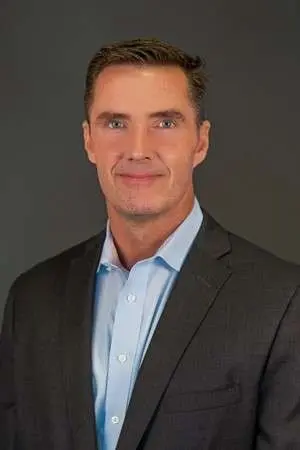
Chris Bove
CEO
Rehab.com regularly reviews this listing for accuracy but changes may occur between updates. For the most up-to-date information, please contact CleanSlate Centers.
Contact Information


1985 Main Street
Springfield, MA 01103
Sponsored Helpline

