





























































































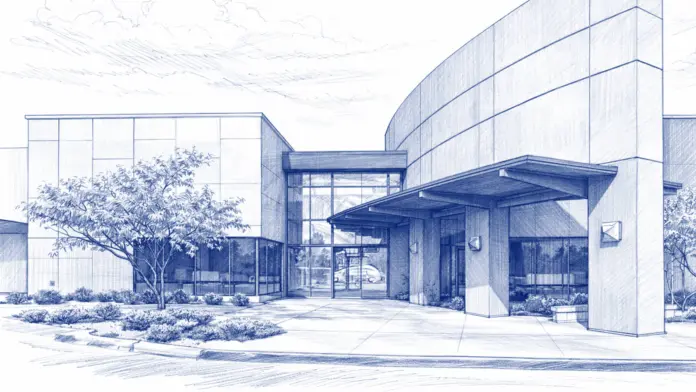


At Community Counseling Center don't provide real therapy, It used to be a center that was very helpful, but now is focused for people who look for pills. The staff is wonderful and very kind but the service provided does not help me with anything.
About Community Counseling Center – Ridgeway House
Community Counseling Center is a provider that works with children, adults and families in Cape Girardeau, Missouri .
It offers outpatient care, treatment for opioid use disorders, counseling, psychiatric medication management and crisis services.
They also have a specialized track for parents and pregnant women along with numerous community based recovery options.
Treatment for Pregnant Women and Parents
The team provides services specifically for pregnant women and people raising children under 17.
This is not a generic outpatient program. You’ll have defined track that’s built around the realities of pursuing recovery while parenting or preparing for a birth.
For a parent weighing where to seek help this addresses a common barrier of needing treatment that accounts for children in the household too. Many people can’t step away from caregiving to attend treatment.
It makes care accessible for expecting mothers and caregivers who might otherwise be forced to choose between recovery and family life.
Community Based Recovery and Crisis Support
Community Counseling Center offers wraparound supports that extend into daily life. These include Community Psychiatric Rehabilitation to build skills for living, working and socializing,
Supportive Community Living for people with serious mental illness and Targeted Case Management help patients access medical, social and educational services.
A 24 hour crisis line provides help outside regular scheduled appointment hours.
The center include the support needed when recovery depends on stability across housing, work and health.
Facility Overview
 16
16 Number of Available Beds
Latest Reviews
Awesome programs that help a lot of people out, and good staff who care
I enjoy working with my Psychiatrist and Therapist.
They are warm and welcoming. I did not feel judge or uncomfortable speaking to them.
My only complaint was having to wait a year to start seeing the Therapist, however I was able to start seeing my Psychiatrist right away.
Also I use the pharmacy at the CCC, Genoa. The keep track of my prescriptions and will refill them when needed and let me know they are ready to pick up. I never have to work about running out if I forget to get the refill.
I didn't go there at all I don't know why it's asking me for this stuff when I didn't go

Rehab Score
 Our Methodology
Scoring is assigned by a proprietary system which helps surface key metrics that determine quality. The 10-point scale factors in categories such as operations, customer satisfaction, and trust metrics. Read Full Methodology

7.1 / 10
Gallery
Accepted Insurance
Other Forms of Payment
Private insurance refers to any kind of healthcare coverage that isn't from the state or federal government. This includes individual and family plans offered by an employer or purchased from the Insurance Marketplace. Every plan will have different requirements and out of pocket costs so be sure to get the full details before you start treatment.
Self-pay involves paying for treatment out of your own pocket. You can use savings or credit, get a personal loan, or receive help from family and friends to fund your treatment. If you don't have insurance or your insurance plan doesn't cover a specific program, self-pay can help ensure you still get the care you need.
Sliding scale payments are based on a client's income and family size. The goal is to make treatment affordable to everyone. By taking these factors into account, addiction recovery care providers help ensure that your treatment does not become a financial burden to you or your family, eliminating one barrier to care.
Medicare is a federal program that provides health insurance for those 65 and older. It also serves people under 65 with chronic and disabling health challenges. To use Medicare for addiction treatment you need to find a program that accepts Medicare and is in network with your plan. Out of pocket costs and preauthorization requirements vary, so always check with your provider.
Medicaid is a state based program that helps lower-income individuals and families pay for healthcare. Medicaid covers addiction treatment so those enrolled can use their coverage to pay for rehab. When a program accepts Medicaid the client often pays very little or nothing out of their own pocket.
Addiction Treatments
Levels of Care
Outpatient rehab enables clients to continue to work, attend school, or reside at home while undergoing treatment, including addiction counseling and recovery-focused life skills training. Evening, night, and weekend sessions are available at many facilities to ensure continuous access to care on the client's schedule. Many centers also offer ancillary services, such as career coaching and peer mentoring, to promote clients' sustained recovery and community integration. Higher-level outpatient treatment, including intensive outpatient (IOP) care, is also widely available.
Residential treatment programs are those that offer housing and meals in addition to the mental health treatment. Rehab facilities that offer residential treatment allow patients to focus solely on recovery, in an environment totally separate from their lives. Ridgeway House offers intensive residential treatment for those individuals living with a chronic mental health diagnoses.
Due to the potential for severe withdrawal symptoms, it is important to detox in a facility with 24-hour clinical care in Missouri. Most people experience some form of withdrawal symptoms, and this setting offers medical professionals who are on site 24/7 to provide any necessary treatment. This supervision makes the detox process safer and less painful and improves the likelihood of a successful recovery.
Treatments
Mental health rehabs focus on helping individuals recover from mental illnesses like bipolar disorder, clinical depression, anxiety disorders, schizophrenia, and more. Mental health professionals at these facilities are trained to understand and treat mental health issues, both in individual and group settings.
Programs
Adult rehab programs include therapies tailored to each client's specific needs, goals, and recovery progress. They are tailored to the specific challenges adult clients may face, including family and work pressures and commitments. From inpatient and residential treatment to various levels of outpatient services, there are many options available. Some facilities also help adults work through co-occurring conditions, like anxiety, that can accompany addiction.
Young adulthood can be an exciting, yet difficult, time of transition. Individuals in their late teens to mid-20s face unique stressors related to school, jobs, families, and social circles, which can lead to a rise in substance use. Rehab centers with dedicated young adult programs will include activities and amenities that cater to this age group, with an emphasis on specialized counseling, peer socialization, and ongoing aftercare.
Clinical Services
Dialectical Behavior Therapy (DBT) is a modified form of Cognitive Behavioral Therapy (CBT), a treatment designed to help people understand and ultimately affect the relationship between their thoughts, feelings, and behaviors. DBT is often used for individuals who struggle with self-harm behaviors, such as self-mutilation (cutting) and suicidal thoughts, urges, or attempts. It has been proven clinically effective for those who struggle with out-of-control emotions and mental health illnesses like Borderline Personality Disorder.
Group therapy is any therapeutic work that happens in a group (not one-on-one). There are a number of different group therapy modalities, including support groups, experiential therapy, psycho-education, and more. Group therapy involves treatment as well as processing interaction between group members.
In individual therapy, a patient meets one-on-one with a trained psychologist or counselor. Therapy is a pivotal part of effective substance abuse treatment, as it often covers root causes of addiction, including challenges faced by the patient in their social, family, and work/school life.
Trauma therapy addresses traumatic incidents from a client's past that are likely affecting their present-day experience. Trauma is often one of the primary triggers and potential causes of addiction, and can stem from child sexual abuse, domestic violence, having a parent with a mental illness, losing one or both parents at a young age, teenage or adult sexual assault, or any number of other factors. The purpose of trauma therapy is to allow a patient to process trauma and move through and past it, with the help of trained and compassionate mental health professionals.
Whether a marriage or other committed relationship, an intimate partnership is one of the most important aspects of a person's life. Drug and alcohol addiction affects both members of a couple in deep and meaningful ways, as does rehab and recovery. Couples therapy and other couples-focused treatment programs are significant parts of exploring triggers of addiction, as well as learning how to build healthy patterns to support ongoing sobriety.
Research clearly demonstrates that recovery is far more successful and sustainable when loved ones like family members participate in rehab and substance abuse treatment. Genetic factors may be at play when it comes to drug and alcohol addiction, as well as mental health issues. Family dynamics often play a critical role in addiction triggers, and if properly educated, family members can be a strong source of support when it comes to rehabilitation.
Amenities
-
 Residential Setting
 -
 Private Setting
Staff & Accreditations
Staff
Wendy Ice, MS, MA, LPC
CEO
Lisa Tolbert, MBA
COO
Deanna McCrary, MBA
CFO
Brenda Robertson, MA, LPC
Clinical Director
Sidharth Chandra, M.D.
Medical Director
Sondra Petitt, PHR
Human Resource Director
Jacob Alsup, BS
Director of Recruitment & Hiring
Larry Wagner
Director of Information Technology
Accreditations

The Substance Abuse and Mental Health Services Administration (SAMHSA) is a branch of the U.S. Department of Health and Human Services. Established in 1992 by congress, SAMHSA's mission is to reduce the impact of substance abuse and mental illness on American's communities.
SAMHSA Listed: Yes

The Commission on Accreditation of Rehabilitation Facilities (CARF) is a non-profit organization that specifically accredits rehab organizations. Founded in 1966, CARF's, mission is to help service providers like rehab facilities maintain high standards of care.
CARF Accreditation: Yes
Accreditation Number: 249875

State Licenses are permits issued by government agencies that allow rehab organizations to conduct business legally within a certain geographical area. Typically, the kind of program a rehab facility offers, along with its physical location, determines which licenses are required to operate legally.
State License: Missouri
Rehab.com regularly reviews this listing for accuracy but changes may occur between updates. For the most up-to-date information, please contact Community Counseling Center – Ridgeway House.
Contact Information

6 South Hanover Street
Cape Girardeau, MO 63703
Get Help Now - 314-384-4223
Sponsored Helpline
Sponsored Helpline


