





























































































About CPC Integrated Health Aberdeen Counseling Cente
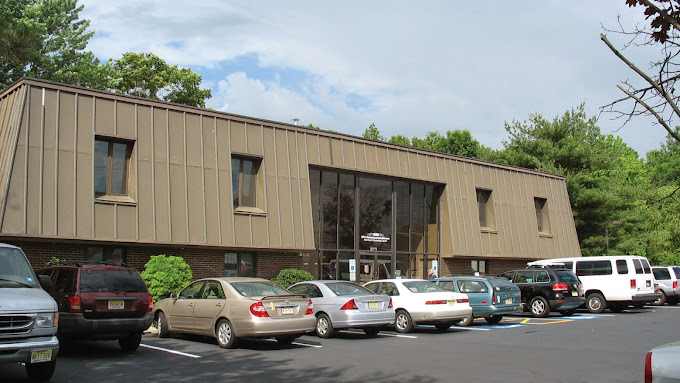
CPC Integrated Health Aberdeen Counseling Center is a behavioral health provider in Aberdeen Township, New Jersey offering substance use disorder treatment for children, adolescents and adults.
The center combines counseling, psychiatry and medication to support individuals managing addiction alongside co-occurring conditions like anxiety, depression and trauma.
Their integrated approach brings mental health and addiction care together under one roof, meeting clients where they are on the path to recovery.
Addiction Treatment and Recovery Support
Aberdeen Counseling Center provides individualized substance use disorder treatment addressing both alcohol and drug use through proven practices.
Their programs include an Intensive Outpatient Program, Medication-Assisted Treatment for opioid use disorder and DUI/DWI education and counseling.
Treatment plans are tailored to each person and may include individual, group and family counseling.
Sessions focus on building coping skills, developing relapse prevention strategies and coordinating care to address the underlying drivers of addiction.
Integrated Mental Health and Psychiatric Care
Beyond addiction services the center offers mental health counseling and psychiatry for co-occurring conditions.
Psychiatric services include evaluation, medication management and ongoing support, while family services help strengthen communication and healthy relationships.
This integrated model supports clients across all life stages, from children through older adults.
Latest Reviews



Rehab Score
 Our Methodology


Gallery
Other Forms of Payment
Private insurance refers to any kind of healthcare coverage that isn't from the state or federal government. This includes individual and family plans offered by an employer or purchased from the Insurance Marketplace. Every plan will have different requirements and out of pocket costs so be sure to get the full details before you start treatment.
Self-pay involves paying for treatment out of your own pocket. You can use savings or credit, get a personal loan, or receive help from family and friends to fund your treatment. If you don't have insurance or your insurance plan doesn't cover a specific program, self-pay can help ensure you still get the care you need.
Financial aid can take many forms. Centers may have grants or scholarships available to clients who meet eligibility requirements. Programs that receive SAMHSA grants may have financial aid available for those who need treatment as well. Grants and scholarships can help you pai for treatment without having to repay.
Medicare is a federal program that provides health insurance for those 65 and older. It also serves people under 65 with chronic and disabling health challenges. To use Medicare for addiction treatment you need to find a program that accepts Medicare and is in network with your plan. Out of pocket costs and preauthorization requirements vary, so always check with your provider.
Military members, veterans, and eligible dependents have access to specific insurance programs that help them get the care they need. TRICARE and VA insurance can help you access low cost or no cost addiction and mental health treatment. Programs that accept military insurance often have targeted treatment focused on the unique challenges military members, veterans, and their families face.
Medicaid is a state based program that helps lower-income individuals and families pay for healthcare. Medicaid covers addiction treatment so those enrolled can use their coverage to pay for rehab. When a program accepts Medicaid the client often pays very little or nothing out of their own pocket.
Addiction Treatments
Levels of Care
Outpatient rehabs enable clients to receive a full continuum of care while continuing to live at home. They're often ideal for clients who are stepping down from inpatient care but some clients may prefer to transition into outpatient treatment immediately after completing detox. Many outpatient facilities also offer ambulatory medical detox for low-risk clients. Outpatient treatment generally includes psychotherapy and life skills training. Clients in opioid and/or alcohol recovery may also receive medication assisted treatment (MAT).
Intensive Outpatient programs are for those who want or need a very structured treatment program but who also wish to live at home and continue with certain responsibilities (such as work or school). IOP substance abuse treatment programs vary in duration and intensity, and certain outpatient rehab centers will offer individualized treatment programs. The Intensive Outpatient Program gives patients the chance to participate in a structured treatment plan part-time while they transition back to home and work or other responsibilities. This program provides half-day treatment (Monday, Wednesday and Friday, 9:15 am to 12:30 pm).
Clients in a rehab aftercare program have typically completed detox and intensive inpatient and are medically stable. These programs are designed to address addiction recovery as a life-long process. Outpatient counseling and recovery education are typically categorized as drug rehab aftercare, but many clients continue to receive support after being discharged from formal outpatient treatment. Case managers and recovery teams facilitate clients' access to peer coaching, career counseling, 12 step program induction, and related services.
Participants in 12 step programs engage in a rigorous process of personal growth as a cornerstone of long-term recovery. They are expected to attend anonymous, peer-led 12 step meetings, which are free, open to the public, and available multiple times per day in most communities. Though these programs are rooted in spiritual principles, religious affiliation is not required. Self-selected peer sponsors mentor participants as they work through the 12 steps, learning forgiveness, understanding, acceptance, and accountability.
A drug intervention in New Jersey is more than a confrontational conversation. This organized effort is specific and goal-oriented. During the intervention, family members share specific examples of how the person's addiction has impacted their lives and spell out what they will do if the individual does not get treatment. The intervention also presents a clear treatment plan, which typically involves input from intervention services.
Drug and alcohol addiction often takes a heavy toll on one’s body. Over time, a physical dependence can develop, meaning the body physiologically needs the substance to function. Detox is the process of removing drugs and/or alcohol from the body, a process that can be lethal if mismanaged. Medical detox is done by licensed medical professionals who monitor vital signs and keep you safe, healthy, and as comfortable as possible as you go through detox and withdrawal. Linden Oak's Addiction Services unit is a separate area within Linden Oaks Hospital that offers treatment for those undergoing withdrawal as they stop the cycle of addiction. Patients are detoxified under the care of a psychiatrist, and their staff has specialized training to provide the medication, monitoring and support needed during the withdrawal process.
Programs
Adult rehab programs include therapies tailored to each client's specific needs, goals, and recovery progress. They are tailored to the specific challenges adult clients may face, including family and work pressures and commitments. From inpatient and residential treatment to various levels of outpatient services, there are many options available. Some facilities also help adults work through co-occurring conditions, like anxiety, that can accompany addiction.
Young adulthood can be an exciting, yet difficult, time of transition. Individuals in their late teens to mid-20s face unique stressors related to school, jobs, families, and social circles, which can lead to a rise in substance use. Rehab centers with dedicated young adult programs will include activities and amenities that cater to this age group, with an emphasis on specialized counseling, peer socialization, and ongoing aftercare.
Clinical Services
Cognitive behavioral therapy (CBT) in New Jersey typically follows a set structure of treatment. The therapist helps clients identify their life challenges and their thoughts surrounding those challenges. The client then learns to identify unhealthy thought patterns and reshape those into healthy patterns of thinking and behavior.
Group therapy settings offer you a diverse perspective on addiction and recovery. People from a variety of backgrounds gather together to discuss their challenges and speak openly and in a nonjudgmental atmosphere. This enriches your experience and your understanding of addiction and recovery.
During individual therapy for drug addiction, patients receive a customized and tailored approach to understanding their unique circumstances and providing them with targeted interventions. These include coping skills, relapse prevention plans, and developing resilience, all of which are essential for long term recovery.
Motivational interviewing helps clients find their motivation to change. It can be an effective method to work with clients who are angry or hostile or feel insecure about their ability to make changes in their lives. It is often used during addiction treatment or to manage physical health conditions.
Trauma therapy provides a structure to approach healing from past traumatic events that you may have witnessed or experienced. Your therapist will work with you to identify and process these memories. This helps promote a sense of safety and stability and helps you heal emotionally.
Most experts in couples therapy are trained in several modes of treatment. This allows your therapist to draw from various techniques to personalize your therapy for your needs. This may include cognitive, emotional, and behavioral methods, which are all designed to help you strengthen your relationship.
Family therapy sessions address addiction related conflicts and other issues between members of the family unit. By strengthening communication and coping skills, as well as creating a nurturing environment, the family can help support their loved one's recovery.
Building life skills allows you to demolish negative patterns of behavior and build new, healthy patterns. By building new thought processes, coping strategies, and behaviors, you establish a solid foundation for recovery.
Amenities
-
 Residential Setting
 -
 Private Rooms
Staff & Accreditations
Staff
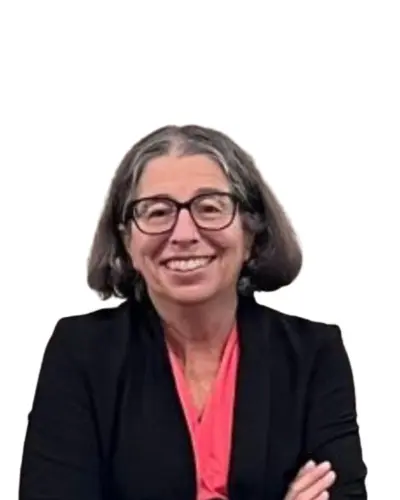
Vera Sansone, LCSW
President & CEO
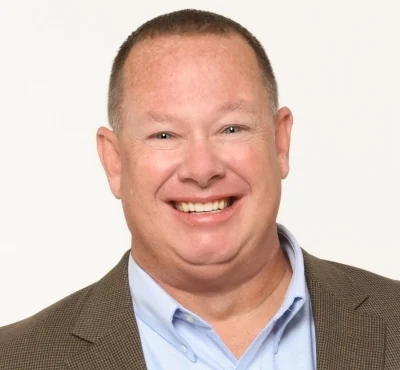
Dan Burns, CPA
Senior VP & CFO
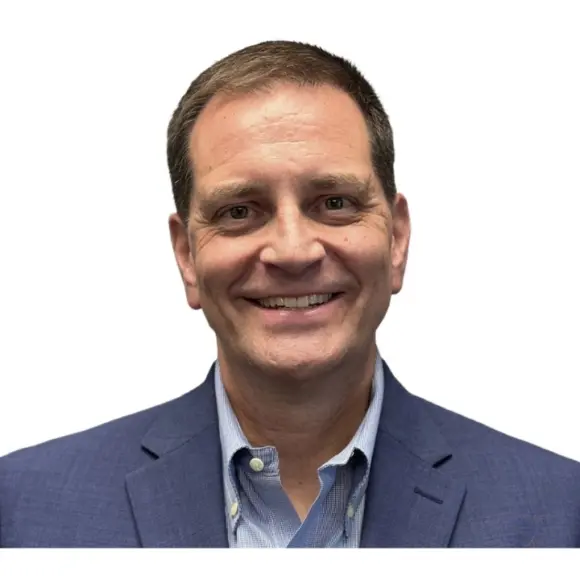
Dan Peck
Chief Administrative Officer
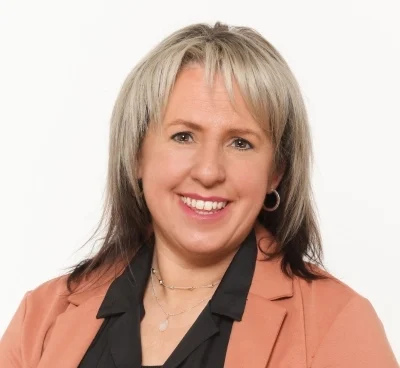
Donna Coyle, LCSW, LDADC, CCS & CPRP
Senior Chief Clinical Officer

Cheryl Mountain
Chief Academic Officer
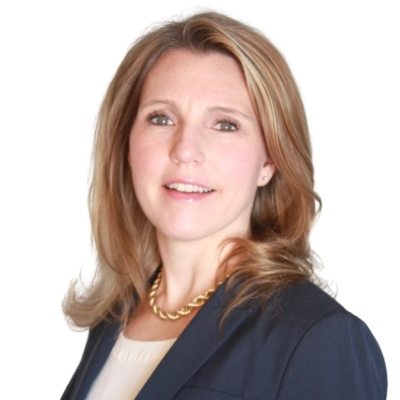
LeeAnn Wagner, LPC, LCADC, ACS
CIO
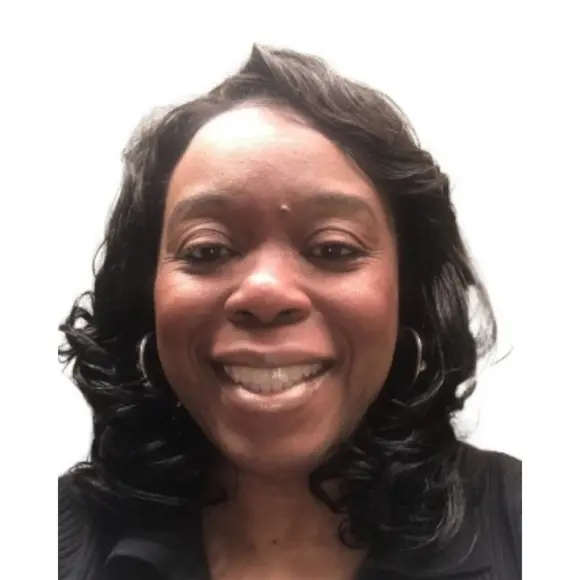
Debora A. Belfield, M.Ed.
VP, Human Resources
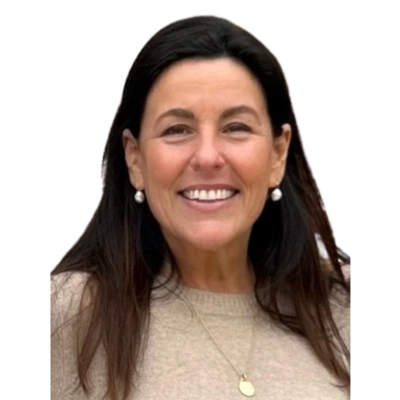
Lynn Lucarelli
VP & Chief Development Officer
Accreditations

State Licenses are permits issued by government agencies that allow rehab organizations to conduct business legally within a certain geographical area. Typically, the kind of program a rehab facility offers, along with its physical location, determines which licenses are required to operate legally.
State License: New Jersey

The Joint Commission, formerly known as JCAHO, is a nonprofit organization that accredits rehab organizations and programs. Founded in 1951, the Joint Commision's mission is to improve the quality of patient care and demonstrating the quality of patient care.
Joint Commission Accreditation: Yes
Rehab.com regularly reviews this listing for accuracy but changes may occur between updates. For the most up-to-date information, please contact CPC Integrated Health Aberdeen Counseling Cente.
Contact Information


1088 NJ-34
Aberdeen Township, NJ 07747
Sponsored Helpline


