





























































































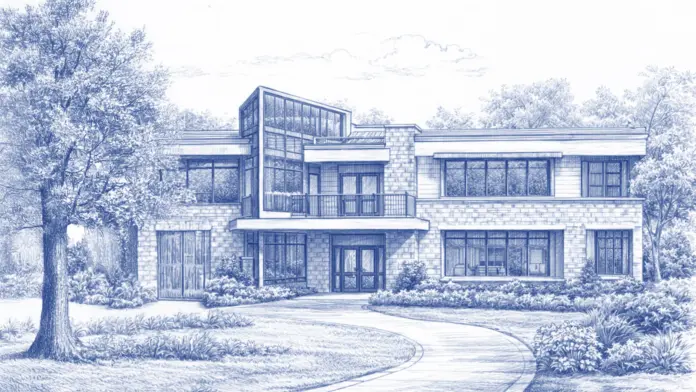
About Crescent Addiction and Recovery Center
Crescent Addiction and Recovery Center is a substance use treatment provider in New Orleans, Louisiana offering outpatient care for adults seeking recovery from addiction. The CARF accredited center specializes in intensive outpatient programs that combine therapy, education and ongoing support for lasting sobriety.
Crescent Addiction and Recovery Center accepts Veteran Administration benefits and all Louisiana Medicaid plans.
What types of treatment are offered?
Crescent Addiction and Recovery Center provides intensive outpatient programs for substance use disorders including alcohol, opioid and stimulant addictions. Treatment combines group and individual therapy, educational workshops and coping skills training. A continuum of care plan follows initial treatment offering follow up visits, support groups and family therapy.
Who can get help here?
The program serves adults struggling with substance use disorders and co-occurring mental health conditions such as depression and anxiety. The dual diagnosis approach ensures both addiction and mental health concerns are addressed together.
What therapies are used?
Clients receive evidence based therapies including cognitive behavioral therapy and group counseling. Holistic approaches like meditation and mindfulness are also incorporated. Medication assisted treatment is available to support recovery from opioid addiction.
Where is the center located?
The center is located at 3308 Tulane Avenue, Suite 414 in New Orleans, Louisiana. The office based setting provides accessible outpatient care in the heart of the city.

Rehab Score
 Our Methodology


Location
Other Forms of Payment
Medicaid is a state based program that helps lower-income individuals and families pay for healthcare. Medicaid covers addiction treatment so those enrolled can use their coverage to pay for rehab. When a program accepts Medicaid the client often pays very little or nothing out of their own pocket.
Military members, veterans, and eligible dependents have access to specific insurance programs that help them get the care they need. TRICARE and VA insurance can help you access low cost or no cost addiction and mental health treatment. Programs that accept military insurance often have targeted treatment focused on the unique challenges military members, veterans, and their families face.
Addiction Treatments
Levels of Care
Clients engaged in an intensive outpatient program (IOP) participate in multiple treatment sessions weekly. Typical treatment modalities include individual, group, and family counseling, addiction and recovery education, medication assisted treatment (MAT), and evidence-based holistic therapies. Most intensive outpatient rehabs require clients to engage in a minimum of nine and a maximum of 20 treatment hours per week. Many clients enter IOP after stepping down from intensive inpatient care, but some may enroll immediately after completing detox.
Clients enrolled in outpatient rehab typically need less intensive supervision and support than those in inpatient care. Clients may continue to work and attend school while participating in addiction counseling and recovery education during the evening, night, or weekend. Clients also often enter intensive outpatient (IOP) treatment immediately upon exiting residential care, which provides them with high-level step-down support as they reintegrate into their homes and communities.
Treatments
Alcoholism - also known as alcohol use disorder (AUD), alcohol dependence, and alcohol addiction - is a chronic condition that describes a form of problem drinking that causes harm to a person's health and relationships. To treat AUD, alcohol rehab in Louisiana is usually necessary. This typically involves three phases: medical detox to safely withdraw from alcohol, rehabilitation through evidence-based therapies, and support for long-term recovery maintenance.
 Opioid Addiction
While each drug rehab in Louisiana offers unique elements, recovery support often follows a similar pattern. Detox is followed by inpatient and/or outpatient care, then aftercare support is provided once the participant completes the initial program.
Specialized substance abuse treatment programs in Louisiana can address addiction and any co-occurring mental health disorders. These programs offer a range of care options, including outpatient, inpatient, and partial hospitalization programs. Expert clinicians utilize evidence-based therapies such as cognitive-behavioral therapy (CBT), dialectical behavior therapy (DBT), and trauma-focused therapy to address substance abuse and promote mental health. Other recovery supports include 12-Step meetings, skills workshops, psychoeducation, and an aftercare plan to enhance your chances of long-term recovery.
Inpatient addiction treatment relies heavily on mental health services that are designed to help simultaneously address both the addiction and co-occurring mental health conditions. Inpatient facilities offer 24-hour access to mental health clinicians and medical or clinical staff. Treatment plans usually include individual and group counseling, addiction and relapse prevention education, and coping skills training. Additional offerings that benefit mental health include family therapy, recreational therapies, yoga, and mindfulness training may be available.
Specialized dual-diagnosis addiction treatment in Louisiana offers integrated treatment for individuals with co-occurring substance use disorders and mental health conditions. Programs include detox, outpatient, inpatient, and partial hospitalization options. Therapies like cognitive behavioral therapy, or dialectical behavioral therapy, mindfulness, and group therapy address the underlying causes of addiction, enhance coping strategies, and promote mental health and well-being. The programs discharge planning and alumni program will help to support long-term recovery by preventing relapse and providing on-going support post-treatment.
Programs
Adult rehab programs include therapies tailored to each client's specific needs, goals, and recovery progress. They are tailored to the specific challenges adult clients may face, including family and work pressures and commitments. From inpatient and residential treatment to various levels of outpatient services, there are many options available. Some facilities also help adults work through co-occurring conditions, like anxiety, that can accompany addiction.
Clinical Services
If you undergo cognitive behavioral therapy in Louisiana, you may engage in role playing, face your fears, and learn to calm your mind and body. These techniques are designed to help you recognize unhealthy patterns of thinking and to learn healthy ways of coping with challenges.
People gain great insight into the patterns of behaviors and the triggers that underlie addiction when they participate in group therapy sessions. Your peers will discuss their experiences and strategies they use to manage addictive behaviors, offering you a greater opportunity to learn coping skills that work.
Accreditations

The Commission on Accreditation of Rehabilitation Facilities (CARF) is a non-profit organization that specifically accredits rehab organizations. Founded in 1966, CARF's, mission is to help service providers like rehab facilities maintain high standards of care.
CARF Accreditation: Yes
Rehab.com regularly reviews this listing for accuracy but changes may occur between updates. For the most up-to-date information, please contact Crescent Addiction and Recovery Center.
Contact Information


3308 Tulane Ave Suite 414, New Orleans, LA 70119
Sponsored Helpline

