





























































































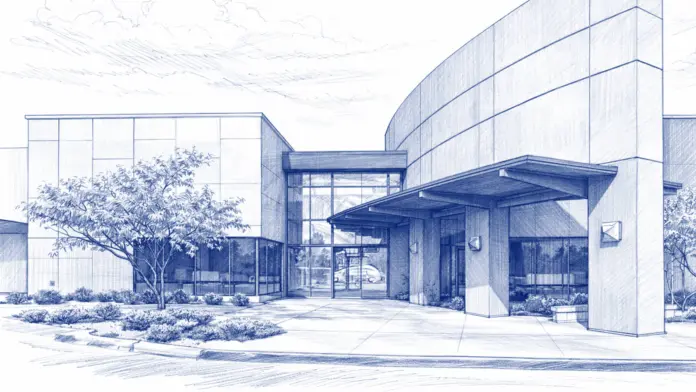
About DayBreak Addiction Treatment Solutions
Day Break Treatment Solutions is a holistic substance abuse treatment program on Veterans Highway by Forsythia Crossing Park in Levittown, Pennsylvania. They offer partial hospitalization (PHP) and outpatient treatment options to adults. They allow clients to take the time they need in treatment rather than placing them on a specific timetable.
TheJoint Commission has accredited this facility, and they utilize a number of different treatment options alongside traditional talk therapy (including eye movement reprocessing and desensitization for trauma) and 12 Step groups. Care is individualized to each client to best match their needs.
Housing Options
One unique aspect of Day Break Solutions is that they have premium housing options for clients in any of their programs, allowing them to recover in a safe and stable community, and making it easier for those who have to travel far distances to receive treatment. These are gender specific houses, though the programs are co-ed. They can also make arrangements to pick you up at the Philadelphia airport and bring you to the facility.
Variety of 12 Steps
The 12 Step model has been applied to a variety of addictions. This center uses those specific groups, such as Overeaters Anonymous, to best match clients to others experiencing the same struggles in their journey to recovery. This includes groups focusing on specific addictive substances, too.
Latest Reviews



Rehab Score
 Our Methodology


Location
Other Forms of Payment
Private insurance refers to any kind of healthcare coverage that isn't from the state or federal government. This includes individual and family plans offered by an employer or purchased from the Insurance Marketplace. Every plan will have different requirements and out of pocket costs so be sure to get the full details before you start treatment.
Self-pay involves paying for treatment out of your own pocket. You can use savings or credit, get a personal loan, or receive help from family and friends to fund your treatment. If you don't have insurance or your insurance plan doesn't cover a specific program, self-pay can help ensure you still get the care you need.
Addiction Treatments
Levels of Care
A medical detox is the safest way to wean your body off drugs and/or alcohol in an inpatient setting. When detoxing from addictive substances, the physical and psychological side effects of withdrawal can cause mood swings, anxiety, nausea, or flu-like symptoms. In medically assisted detox, a team of medical professionals are on hand 24/7 to help alleviate potential withdrawal symptoms, administer medications to alleviate withdrawal symptoms, and ultimately keep you safe and comfortable throughout this process.
With a partial hospitalization program (PHP), you can participate in intensive rehabilitation treatment with the ability to return home at the end of the day. For a weekly minimum of 20 hours, a partial hospitalization program can take place up to 5 days a week for an average of 90 days. During PHP treatment, you can receive relapse prevention strategies, medication management, individual and group therapy, and other behavioral therapy interventions.
Clients engaged in intensive outpatient programs (IOP) live and work in their home community while receiving frequent, high-level care. These programs offer personalized care designed to evolve with the clients' changing needs. Many intensive outpatient rehabs require a minimum of nine hours of treatment per week, but high-risk clients and those in early recovery may receive up to 20 hours of care weekly. IOP services generally include addiction counseling, recovery education, and holistic therapies, such as massage.
Outpatient rehabs specialize in providing comprehensive care for clients who choose to remain in their homes and communities during treatment. Their services may include transitional support for clients stepping down from intensive inpatient programming. Ambulatory medical detox may be provided for clients at low risk for withdrawal complications. Many programs include evening, night, and weekend services to accommodate clients who are working professionals or caregivers. Addiction counseling and life skills training are common treatment modalities.
Residents of a sober living home in Pennsylvania pay rent and contribute to household maintenance. For their contributions, individuals get the opportunity to live in a substance-free environment and receive support from others in recovery while all residents practice sober-living skills. Sober living expenses are not covered by insurance since they are not treatment services. However, grants and scholarships are often available to help individuals afford rent for men's or women's sober living.
Treatments
Alcoholism is a syndrome of dependent alcohol use. Also called alcohol use disorder (AUD), the symptoms include craving alcohol, not being able to stop drinking, and feeling anxious or irritable when not drinking. For many people, alcohol rehab in Pennsylvania is a beneficial treatment. Programs offer many levels of care, including medical and behavioral therapies.
 Opioid Addiction
Drug rehab in Pennsylvania is devoted to the treatment of addiction. Levels of care, treatment methods, and settings differ, but the aim of each program is to end drug dependency and empower participants to achieve long-term recovery.
In Pennsylvania, substance abuse treatment programs can help address addiction and any co-occurring mental health problems. These programs incorporate evidence-based therapies such as cognitive-behavioral therapy (CBT), dialectical behavior therapy (DBT), and psychoeducation to help you uncover the underlying causes for your substance use and develop new skills to help you manage stress and overcome future triggers which may challenge your sobriety.
If you have a mental health condition and an addiction, it is critical to address both conditions simultaneously. If you only address the mental health disorder, you'll likely continue to use drugs or alcohol, which can make your mental health issues even worse. On the other hand, if you only address the addiction, you won't have the tools to cope with your mental health disorder in a healthy way.
Pennsylvania's specialized dual-diagnosis addiction treatment programs prioritize comprehensive care for individuals with co-occurring substance use disorders and mental health conditions. Providing various levels of care, including outpatient, inpatient, and partial hospitalization, dual-diagnosis experts use evidence-based therapies, recovery support groups, and education to treat both disorders, promote mental health, and improve your quality of life.
Clinical Services
Cognitive behavioral therapy (CBT) in Pennsylvania can be helpful to individuals who are experiencing substance use disorder and various mental health conditions. It helps you identify damaging thought and behavior patterns and replace them with healthy ones.
Artistic talent is not required to participate in creative arts therapy. This form of rehab treatment in Pennsylvania simply allows you to try different art media and use the one that works best for you to express yourself. The goal is not to produce quality art but to use the creative process as an outlet for recovery.
Dialectical behavior therapy in Pennsylvania is an evidence based technique that involves group therapy, individual therapy, and phone coaching. Group sessions focus on learning behavioral skills. Individual therapy gives you the opportunity to apply what you're learning to your personal situations. Phone coaching allows you to call your therapist during the week for help with challenging situations.
 Eye Movement Desensitization And Reprocessing
It is important to process the impact that traumatic experiences have had on your life. During trauma therapy, you and an experienced therapist confront these experiences and the emotional impact it is had. This helps to reduce your symptoms of stress and anxiety and improve your overall mental health and well being.
Rehab.com regularly reviews this listing for accuracy but changes may occur between updates. For the most up-to-date information, please contact DayBreak Addiction Treatment Solutions.
Contact Information


1288 Veterans Hwy, Levittown, PA 19056
Sponsored Helpline
