





























































































About DUI and Behavioral Health Counseling Services Of Plano
DUI and Behavioral Health Counseling Services of DeKalb County is an outpatient counseling provider in Plano, Illinois, specializing in DUI evaluations, risk education, and substance use counseling.
The program offers individual and group counseling, Prime for Life® education and Secretary of State reinstatement evaluations for individuals navigating alcohol or drug-related offenses.
The team is committed to helping clients fulfill court requirements while building the insight and skills needed to make lasting, positive life changes.
DUI Evaluations and Risk Education in Plano, IL
The core of this program centers on DUI-specific clinical services, including state-required evaluations, risk education and structured substance use counseling.
Services are designed to meet Illinois DUI compliance standards while addressing the behaviors and choices that led to an offense.
Clients participate in evidence informed programs like Prime for Life®, an interactive education curriculum that explores the impact of alcohol and drug use on health, relationships and decision-making.
Individual and group counseling sessions reinforce these lessons, helping clients develop healthier patterns and reduce future risk.
Behavioral Health Counseling Support
Beyond DUI-focused services, the practice provides general behavioral health counseling for clients working through alcohol and drug related concerns.
Counselors take a supportive, education first approach that pairs accountability with practical tools for change.
Getting Started with Care
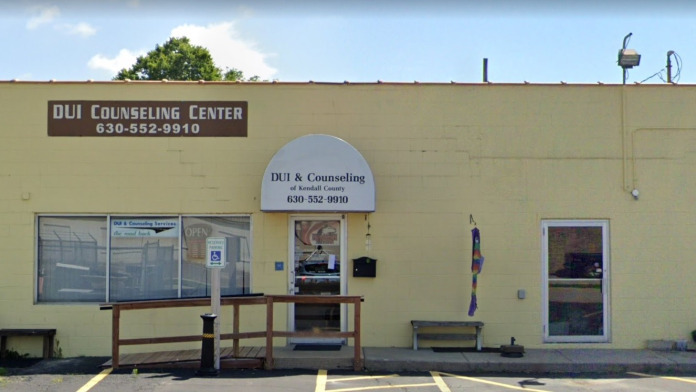
DUI and Behavioral Health Counseling Services of DeKalb County offers in-person outpatient services from its office on East South Street in Plano, Illinois, serving clients across DeKalb and Kendall counties.
Prospective clients are encouraged to contact the office directly to discuss service options and payment details.

Rehab Score
 Our Methodology


Gallery
Accepted Insurance
Other Forms of Payment
Medicare is a federal program that provides health insurance for those 65 and older. It also serves people under 65 with chronic and disabling health challenges. To use Medicare for addiction treatment you need to find a program that accepts Medicare and is in network with your plan. Out of pocket costs and preauthorization requirements vary, so always check with your provider.
Medicaid is a state based program that helps lower-income individuals and families pay for healthcare. Medicaid covers addiction treatment so those enrolled can use their coverage to pay for rehab. When a program accepts Medicaid the client often pays very little or nothing out of their own pocket.
Addiction Treatments
Levels of Care
Outpatient Programs (OP) are for those seeking mental rehab or drug rehab, but who also stay at home every night. The main difference between outpatient treatment (OP) and intensive outpatient treatment (IOP) lies in the amount of hours the patient spends at the facility. Most of the time an outpatient program is designed for someone who has completed an inpatient stay and is looking to continue their growth in recovery. Outpatient is not meant to be the starting point, it is commonly referred to as aftercare.
Treatments
Substance rehabs focus on helping individuals recover from substance abuse, including alcohol and drug addiction (both illegal and prescription drugs). They often include the opportunity to engage in both individual as well as group therapy.
Programs
Adult rehab programs include therapies tailored to each client's specific needs, goals, and recovery progress. They are tailored to the specific challenges adult clients may face, including family and work pressures and commitments. From inpatient and residential treatment to various levels of outpatient services, there are many options available. Some facilities also help adults work through co-occurring conditions, like anxiety, that can accompany addiction.
Clinical Services
Group therapy is any therapeutic work that happens in a group (not one-on-one). There are a number of different group therapy modalities, including support groups, experiential therapy, psycho-education, and more. Group therapy involves treatment as well as processing interaction between group members.
Staff
Amanda Stuck, LCSW, CADC
Substance Abuse Counselor
Rehab.com regularly reviews this listing for accuracy but changes may occur between updates. For the most up-to-date information, please contact DUI and Behavioral Health Counseling Services Of Plano.
Contact Information


217 E South Street, Suite B
Plano, IL 60545
Sponsored Helpline


