





























































































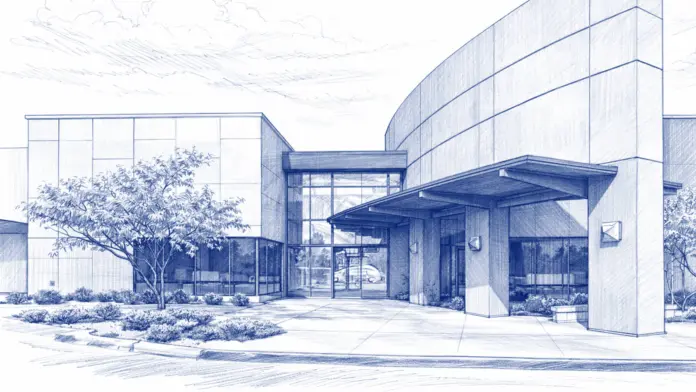
About EMASS
EMASS is a Florissant, Missouri outpatient provider specializing in court-related substance use education, evaluations and treatment services for adults and young adults.
The organization offers SATOP evaluations and classes, REACT screening, anger management, domestic violence programs and relapse prevention for court involved and justice referred clients.
Since 1991, EMASS has worked closely with courts, probation officers and individuals to bridge mandated treatment with practical recovery support.
SATOP and Court Referred Outpatient Services
EMASS’s core specialty is Missouri SATOP programs, including substance abuse evaluations and all required class levels for individuals facing DWI or related legal issues.
The Florissant office uses standardized screening tools and personal interviews to determine the appropriate education or treatment level for each client.
Outpatient and intensive outpatient services incorporate motivational interviewing, 12 step facilitation, brief intervention and relapse prevention strategies.
Sessions are structured to satisfy court requirements while helping clients address the underlying behaviors that led to legal involvement, with aftercare available by appointment.
Justice System Coordination and Monitoring
Beyond substance use services, EMASS offers a unique combination of probation supervision, onsite drug and EtG testing, electronic monitoring, mental health evaluations and court reporting.
This integrated approach allows clients to complete multiple court-mandated requirements through a single coordinated provider.
Affordable Care Based on Income
The Florissant office at Florissant Oak Shopping Center serves clients across St. Louis County as part of EMASS’s broader Missouri network, with many classes and evaluations also available virtually.
EMASS accepts cash and self-payment, and a sliding fee scale is available based on income and other qualifying factors.

Rehab Score
 Our Methodology


Location
Other Forms of Payment
Self-pay involves paying for treatment out of your own pocket. You can use savings or credit, get a personal loan, or receive help from family and friends to fund your treatment. If you don't have insurance or your insurance plan doesn't cover a specific program, self-pay can help ensure you still get the care you need.
Financial aid can take many forms. Centers may have grants or scholarships available to clients who meet eligibility requirements. Programs that receive SAMHSA grants may have financial aid available for those who need treatment as well. Grants and scholarships can help you pai for treatment without having to repay.
Addiction Treatments
Levels of Care
Outpatient Programs (OP) are for those seeking mental rehab or drug rehab, but who also stay at home every night. The main difference between outpatient treatment (OP) and intensive outpatient treatment (IOP) lies in the amount of hours the patient spends at the facility. Most of the time an outpatient program is designed for someone who has completed an inpatient stay and is looking to continue their growth in recovery. Outpatient is not meant to be the starting point, it is commonly referred to as aftercare.
Intensive Outpatient Programs (IOP) are for those who want or need a very structured treatment program but who also wish to live at home and continue with certain responsibilities (such as work or school). IOP substance abuse treatment programs vary in duration and intensity, and certain outpatient rehab centers will offer individualized treatment programs.
Rehab aftercare programs offer continuing care for clients in the maintenance phase of recovery and are designed to evolve over time. Outpatient treatment is generally categorized as drug rehab aftercare, but many clients continue to receive services after being discharged from formal care. These services are customized to clients' unique recovery goals, but typically include medical, mental health, and social services. Clients' case manager and recovery team play a key role in developing the client's care plan.
12-step programs are addiction recovery models based on Alcoholics Anonymous (AA). A number of substance abuse programs (including some drug and alcohol rehab centers) use the 12 steps as a basis for treatment. Beginning steps involve admitting powerlessness over the addiction and creating a spiritual basis for recovery. Middle steps including making direct amends to those who've been hurt by the addiction, and the final step is to assist others in addiction recovery in the same way. 12-Step offshoots including Narcotics Anonymous (NA), Cocaine Anonymous (CA), Dual Recovery Anonymous (DRA), Sex and Love Addicts Anonymous (SLAA) and Gamblers Anonymous (GA).
A drug intervention in Missouri is a planned meeting between a person struggling with addiction and their close friends and family members. The goal of the intervention is to motivate the individual to seek treatment. To be successful, an intervention requires careful planning which may involve intervention services from an intervention specialist. Theyl can be certified by the Association of Intervention Specialists, or they may have other expertise that qualifies them for this role.
Treatments
The goal of treatment for alcoholism is abstinence. Those with poor social support, poor motivation, or psychiatric disorders tend to relapse within a few years of treatment. For these people, success is measured by longer periods of abstinence, reduced use of alcohol, better health, and improved social functioning. Recovery and Maintenance are usually based on 12 step programs and AA meetings.
Drug rehab in Missouri usually involves several phases: detox, rehab, and aftercare. The rehab phase may include a combination of inpatient and outpatient treatments, as the individual moves through a continuum of care on their recovery journey.
Substance rehabs focus on helping individuals recover from substance abuse, including alcohol and drug addiction (both illegal and prescription drugs). They often include the opportunity to engage in both individual as well as group therapy.
Programs
Adult rehab programs include therapies tailored to each client's specific needs, goals, and recovery progress. They are tailored to the specific challenges adult clients may face, including family and work pressures and commitments. From inpatient and residential treatment to various levels of outpatient services, there are many options available. Some facilities also help adults work through co-occurring conditions, like anxiety, that can accompany addiction.
Young adulthood can be an exciting, yet difficult, time of transition. Individuals in their late teens to mid-20s face unique stressors related to school, jobs, families, and social circles, which can lead to a rise in substance use. Rehab centers with dedicated young adult programs will include activities and amenities that cater to this age group, with an emphasis on specialized counseling, peer socialization, and ongoing aftercare.
Clinical Services
Group therapy is any therapeutic work that happens in a group (not one-on-one). There are a number of different group therapy modalities, including support groups, experiential therapy, psycho-education, and more. Group therapy involves treatment as well as processing interaction between group members.
In individual therapy, a patient meets one-on-one with a trained psychologist or counselor. Therapy is a pivotal part of effective substance abuse treatment, as it often covers root causes of addiction, including challenges faced by the patient in their social, family, and work/school life.
Motivational interviewing is a short term method often used during drug rehab in Missouri. It typically lasts one or two sessions, with the goal of facilitating conversation about change. The client should leave the sessions feeling more decisive and secure in their ability to make the changes they desire in their life.
Life skills trainings involve all the skills a person must have in order to function successfully in the world. These include time management, career guidance, money management, and effective communication. Truly successful addiction recovery is based on the ability to not only live substance-free, but to thrive. Life skills teaches the practical necessities of functioning in society, which sets clients up for success in life, and therefore sobriety.
Accreditations

The Commission on Accreditation of Rehabilitation Facilities (CARF) is a non-profit organization that specifically accredits rehab organizations. Founded in 1966, CARF's, mission is to help service providers like rehab facilities maintain high standards of care.
CARF Accreditation: Yes
Rehab.com regularly reviews this listing for accuracy but changes may occur between updates. For the most up-to-date information, please contact EMASS.
Contact Information


71 Florissant Oak Shopping Center
Florissant, MO 63031
Sponsored Helpline

