All In Solutions Counseling Center
1
Top 10 Rehab Centers In Boynton Beach





































































































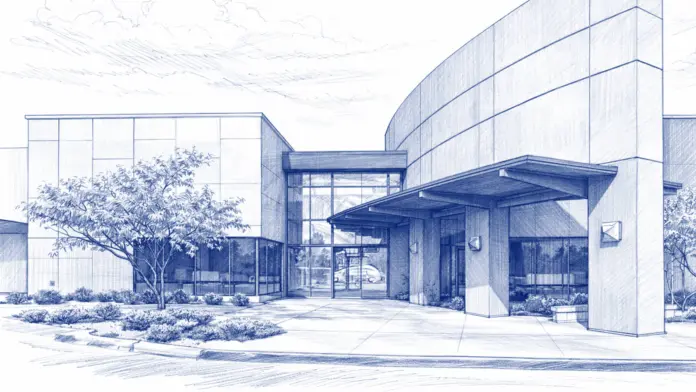
Florida Addiction and Recovery Center is a licensed addiction treatment facility in Fort Lauderdale, FL, offering residential, partial hospitalization and intensive outpatient care for adults. The center specializes in dual diagnosis treatment, addressing substance use disorders alongside co-occurring mental health conditions like anxiety, depression and PTSD.
With a 3-to-1 client-counselor ratio and a holistic, evidence-based approach, the program is designed to support lasting recovery in a private, home-like environment.
Florida Addiction and Recovery Center focuses on helping adults overcome addiction to alcohol, opioids, benzodiazepines, and other substances while treating underlying mental health concerns. The team uses a combination of cognitive behavioral therapy, medication-assisted treatment and family counseling to address the full scope of each client’s needs.
Treatment includes individual and group sessions, chemical dependency education, 12-step support and relapse prevention seminars. Holistic therapies like yoga, meditation, art therapy and equine therapy are also integrated to support emotional healing and long-term wellness.
The center offers residential treatment with gender-separate housing, PHP with community housing, and IOP with about nine hours of weekly group sessions plus individual counseling. Specialized tracks are available for professionals seeking discreet care and veterans or first responders with unique recovery needs.
Florida Addiction and Recovery Center accepts most major insurance plans, including Aetna, Cigna and Blue Cross Blue Shield. They offer self-pay and financing options.

 Our Methodology


Private insurance refers to any kind of healthcare coverage that isn't from the state or federal government. This includes individual and family plans offered by an employer or purchased from the Insurance Marketplace. Every plan will have different requirements and out of pocket costs so be sure to get the full details before you start treatment.
Self-pay involves paying for treatment out of your own pocket. You can use savings or credit, get a personal loan, or receive help from family and friends to fund your treatment. If you don't have insurance or your insurance plan doesn't cover a specific program, self-pay can help ensure you still get the care you need.
Financing your treatment can make treatment more accessible. You'll work with your care provider to set up payment plans, including interest rates and repayment timelines. Financing options vary widely and not all programs offer them, so be sure to get the full details before enrolling in treatment. If you have insurance or other benefits, financing may help you cover your remaining out of pocket expenses.
Clients typically choose inpatient rehab when they are in early recovery or are experiencing a crisis that puts them at an increased risk of relapse. They reside at the treatment center for the length of their program, which may range from two weeks to more than 18 months, depending on the program design. Intensive psychotherapy is often the primary treatment modality, but clients in inpatient care may also receive holistic treatment and recovery-focused life skills training.
Often referred to as "day treatment," a partial hospitalization program (PHP) offers an intensive treatment option that allows individuals to return home at night. PHP treatment typically requires a minimum of 20 hours a week for an average of 90 days. Participants attend daily therapeutic sessions, receive medication management, and have access to skilled medical professionals. While costs can vary, most insurance will fully or partially cover a partial hospitalization program.
Intensive outpatient programs (IOP) involve frequent and robust therapeutic sessions for clients requiring high-level care. Clients may engage in a combination of medication assisted treatment (MAT), addiction counseling, recovery skills training, and holistic therapies for a minimum of nine and a maximum of 20 hours per week. Intensive outpatient rehab is designed primarily for persons in early recovery, those exiting detox or inpatient care, and those at an elevated relapse risk.
Outpatient rehabs encompass multiple levels of care to facilitate clients' progress through their recovery journey. Clients who are stepping down from inpatient treatment may require intensive outpatient (IOP) treatment, which involves more frequent and substantive therapeutic interventions than does standard outpatient care. Outpatient centers typically provide extensive addiction counseling, including individual, group, and family therapy. Medication assisted treatment programs (MAT) and recovery-focused life skills training are also common in outpatient care.
When a person has alcohol use disorder (AUD), also referred to as alcoholism or alcohol addiction, they experience withdrawal symptoms when they stop drinking. This physical dependence results from overuse of alcohol, which may be used as a coping mechanism or escape. Individuals who have AUD can overcome the alcohol addiction through alcohol rehab in Florida. This treatment process involves essential therapy and supports to help the individual achieve and maintain recovery.
 Opioid Addiction
Drug rehab in Florida provides quality treatment to help individuals overcome dependency related to a wide range of addictive substances. Programs address both the physical and mental aspects of addiction in order to help you make a full recovery.
In Florida, substance abuse treatment focuses on treating mental health and substance use disorders concurrently to improve recovery outcomes and overall health. Levels of care include medical detox, outpatient, residential treatment, and intensive outpatient programs. Clinicians utilize evidence-based therapies such as dialectical behavioral therapy (DBT) or medication-assisted treatment, group therapy, and skills training activities. This comprehensive approach to treatment helps to ensure sustained recovery.
When you have a mental health disorder and an addiction, it's known as a co-occurring disorder. Since treating both conditions at the same time is critical, you'll want to seek out a dual diagnosis treatment center. These specialized rehabs offer the care needed to overcome both disorders, which drastically increases your chances of success in long-term recovery. Types of therapies provided tend to include individual and group counseling, relapse prevention education, coping skills training, and cognitive behavioral therapy (CBT).
In Florida, dual-diagnosis addiction treatment treats mental health and substance use disorders concurrently to enhance successful recovery outcomes and improve overall health. Specialized rehab programs include medical detox, outpatient, residential treatment, and intensive outpatient programs. Using evidence-based therapies, like dialectical behavioral therapy or medication-assisted treatment, clinicians successfully treat dual-diagnosis addiction and mental health conditions. Other activities include group therapy and skills training, to equip you with the skills required to achieve and sustain your recovery.
Adult rehab programs include therapies tailored to each client's specific needs, goals, and recovery progress. They are tailored to the specific challenges adult clients may face, including family and work pressures and commitments. From inpatient and residential treatment to various levels of outpatient services, there are many options available. Some facilities also help adults work through co-occurring conditions, like anxiety, that can accompany addiction.
Serving in the military is both mentally and physically challenging, and can result in trauma that persists even after combat ends. Military programs are tailored to the specific and often complex needs of active duty personnel, veterans, and military families. Clients often access these programs through the U.S. Department of Veterans Affairs (VA).
Therapists who apply cognitive behavioral therapy in Florida believe patient thoughts and behaviors are closely linked. They use this treatment method to help clients change their thought patterns so they can also change behaviors and break free from substance abuse.
Types of creative arts therapy in Florida include playing music, writing poetry, journaling, dancing, painting, and sculpting. These expressive activities can help you process emotions and work through challenges with the guidance of a creative arts therapist.
During family therapy sessions, you navigate the complexities of addiction and are provided tools to help improve communication and resolve conflicts. When you work together, families can better support their loved one's recovery and restore balance and harmony within the household.
Group therapy provides a safe and supportive environment for people in Florida who are struggling with drug addiction. There you can openly discuss the challenges and progress you're making without fear of judgment from your peers who experience many of the same things you are.
Individual therapy often includes Cognitive Behavioral Therapy. This is a structured approach to identifying and changing negative thought patterns. During therapy you learn how what you think drives your actions so you can develop healthier coping strategies to manage addiction triggers and reduce drug use.
Life skills are the core skills you need for daily success. They can include self care, stress management, daily routines, and emotion control. Rehab treatment includes the development of these skills so you have the tools you need for long term recovery.
Substance abuse creates biochemical imbalances in your body and brain. By implementing dietary changes, you can restore that balance. This is the goal of nutrition therapy in Florida. You'll gain an understanding of what nutrients your body needs and learn best self care practices.
 Metropolitan Area
State Licenses are permits issued by government agencies that allow rehab organizations to conduct business legally within a certain geographical area. Typically, the kind of program a rehab facility offers, along with its physical location, determines which licenses are required to operate legally.
State License: Florida

3601 W Commercial Blvd STE 35, Fort Lauderdale, FL 33309
Sponsored Helpline

Owners (LINDA) are viciously rude people who taunt and degrade certain employees; while others break rules, sleep, and have relations with coworkers, yet receive no consequence. There is no employee bathroom; can't even wash your hands here. Have to use client bathrooms. They don't genuinely care about the clients. They give them so many meds it causes genuine mental regression. Clients can fail multiple drug test and stay at the same level of care; no real consequence, such as going back to detox. They manipulate client's insurance, so clients can stay for 2 + years, constantly switching between different levels of care. They try to keep clients here as long as possible to abuse their insurance benefits. They hire people in active addiction. Very cheap. Run down apartments. Always have to request needed supplies multiple times. LOCATED IN THE HOOD WITH ALMOST DAILY POLICE ACTIVITY. NO SECURITY OR GATE, SO ANYONE CAN WALK ONTO THE PROPERTY AT ANY TIME.


Great place helped me finally take my recovery seriously i have been a year sober now thanks to farc, farc gave me a second chance which turned into 9 months of sobriety at farc until I left a few months ago

 Back
Back
Sharing your insights and experiences can help others learn more about this rehab center.