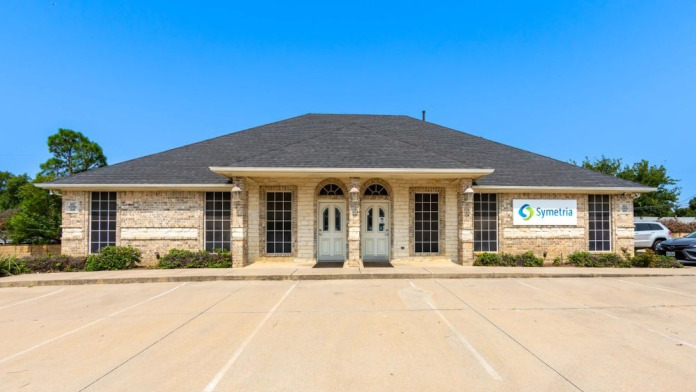
Symetria — Hurst Outpatient Rehab & Suboxone Clinic
1
Top 10 Rehab Centers In Hurst



















































































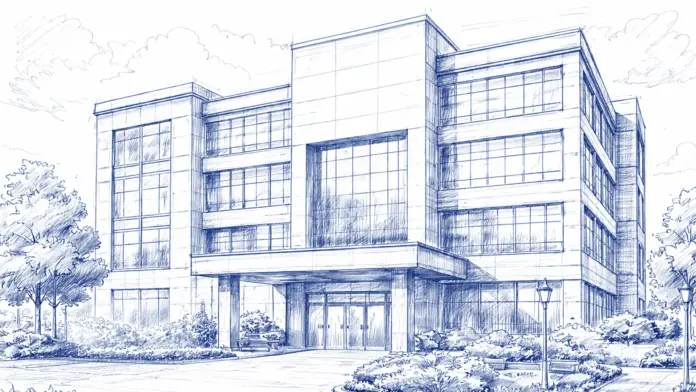
Fort Worth Men’s Rehab, operating as the Fort Worth Men’s Recovery Center under Adult & Teen Challenge of Texas is a men-only residential recovery program serving the Dallas-Fort Worth area.
The center supports adults and young men struggling with addiction and alcoholism through a Christ-centered, non-medical recovery model emphasizing biblical counseling, mentorship and life skills development.
Its mission centers on long-term life transformation and discipleship, helping men rebuild stable independent lives grounded in faith.
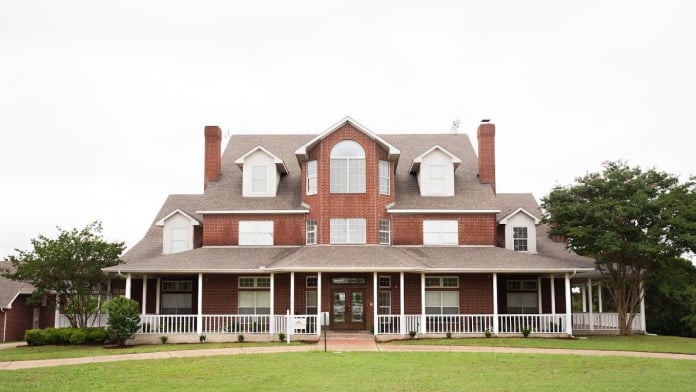
The core of the program is a full one-year residential stay on a 7.5-acre campus just outside Fort Worth.
Residents live in a structured, drug-free environment that prioritizes spiritual growth, accountability and personal transformation over short-term stabilization.
Daily life includes individual and group biblical counseling, relapse prevention, anger management and drug and alcohol education, alongside social and recreational activities.
The approach addresses the root causes of addiction through discipleship, moral guidance and consistent mentorship, often led by staff who are graduates of the program themselves.
Along with spiritual care, the program emphasizes practical readiness for life after recovery.
Residents take part in vocational rehabilitation, job skills training, parenting classes and life skills coaching, with a sober living program available to graduates for continued support and stability.
The program is donor-supported and designed to be highly affordable.

 Our Methodology


Residential treatment programs are those that offer housing and meals in addition to substance abuse treatment. Rehab facilities that offer residential treatment allow patients to focus solely on recovery, in an environment totally separate from their lives. Some rehab centers specialize in short-term residential treatment (a few days to a week or two), while others solely provide treatment on a long-term basis (several weeks to months). Some offer both, and tailor treatment to the patient's individual requirements.
Sober Living Houses (SLHs), aka sober homes or halfway houses, are safe, substance-free, supportive living facilities for those recovering from substance abuse. Ideal for those who've just been through inpatient or outpatient treatment, SLHs are supervised environments with rules that support sobriety, such as curfews, shared chores, and therapeutic meetings. Residents are also often trained on life skills and coping skills to make it easier to transition into society. SLHs also provide a strong sense of community that can lead to the kind of deep and lasting connections with other sober individuals that supports a new, healthy lifestyle.
A combined mental health and substance abuse rehab has the staff and resources available to handle individuals with both mental health and substance abuse issues. It can be challenging to determine where a specific symptom stems from (a mental health issue or an issue related to substance abuse), so mental health and substance abuse professionals are helpful in detangling symptoms and keeping treatment on track.
Young adulthood can be an exciting, yet difficult, time of transition. Individuals in their late teens to mid-20s face unique stressors related to school, jobs, families, and social circles, which can lead to a rise in substance use. Rehab centers with dedicated young adult programs will include activities and amenities that cater to this age group, with an emphasis on specialized counseling, peer socialization, and ongoing aftercare.
Research clearly demonstrates that recovery is far more successful and sustainable when loved ones like family members participate in rehab and substance abuse treatment. Genetic factors may be at play when it comes to drug and alcohol addiction, as well as mental health issues. Family dynamics often play a critical role in addiction triggers, and if properly educated, family members can be a strong source of support when it comes to rehabilitation.
Group therapy is any therapeutic work that happens in a group (not one-on-one). There are a number of different group therapy modalities, including support groups, experiential therapy, psycho-education, and more. Group therapy involves treatment as well as processing interaction between group members.
In individual therapy, a patient meets one-on-one with a trained psychologist or counselor. Therapy is a pivotal part of effective substance abuse treatment, as it often covers root causes of addiction, including challenges faced by the patient in their social, family, and work/school life.
Life skills trainings involve all the skills a person must have in order to function successfully in the world. These include time management, career guidance, money management, and effective communication. Truly successful addiction recovery is based on the ability to not only live substance-free, but to thrive. Life skills teaches the practical necessities of functioning in society, which sets clients up for success in life, and therefore sobriety.

President & CEO

Director of Training & Counseling
Director of Development

Azle Men’s Director
Rehab.com regularly reviews this listing for accuracy but changes may occur between updates. For the most up-to-date information, please contact Fort Worth Men’s Rehab.

1099 Flat Rock Road
Azle, TX 76020
Sponsored Helpline


Worst place possible. Would rather be in jail or prison than go into hypocritical stuff like these places I swear.dont send people to places like these if you actually care about them.

DO NOT come here or send people you care about here.

 Back
Back
Sharing your insights and experiences can help others learn more about this rehab center.