




























































































About Granite Recovery Center
Their IOP services are for those who have completed inpatient treatment or have less severe substance abuse issues. Clients attend the intensive outpatient program between 9:00 a.m. and 12:20 pm, participating in three groups a day. The facility serves breakfast and lunch to clients during this time period. Specialized programs are also available for young adults and veterans.
New Freedom Academy provides 24-hour care and uses different therapies and medication to treat patients in residential rehab. They have the option of multiple therapeutic approaches, including dialectical behavioral therapy (DBT) and cognitive behavioral therapy (CBT).
Clients can choose to either have a room to themselves or live with a roommate. The schedule throughout the day will consist of individual and group counseling sessions. Some group sessions that patients will participate in are the nutrition and wellness group and the therapeutic community group. Most patients, on average, will stay at the facility for 30 days. If the substance use disorder is severe, clients will stay longer than 30 days.
Short term residential care involves the same treatments but for a shorter duration of usually three to six weeks. The addictions treated at New Freedom Academy include cocaine, alcohol, and codeine. Combined with individual and group therapy, staff members also provide clients with yoga therapy, recreational therapy, and PTSD treatment.
Facility Overview
 16-30
16-30  31 - 60
 Latest Reviews



Rehab Score
 Our Methodology


Gallery
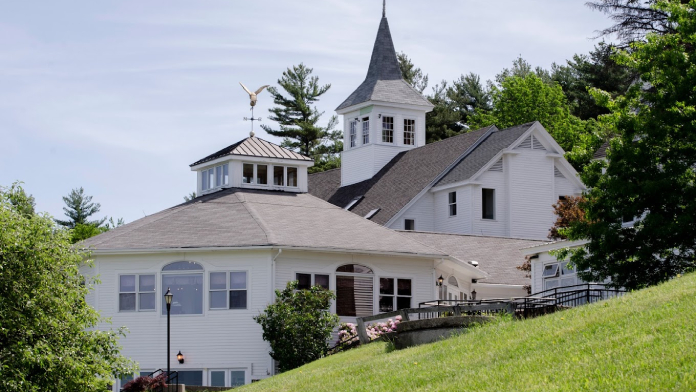

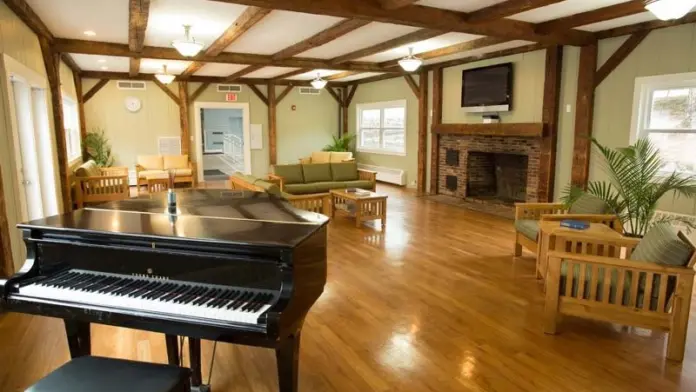

Accepted Insurance

Other Forms of Payment
Private insurance refers to any kind of healthcare coverage that isn't from the state or federal government. This includes individual and family plans offered by an employer or purchased from the Insurance Marketplace. Every plan will have different requirements and out of pocket costs so be sure to get the full details before you start treatment.
Self-pay involves paying for treatment out of your own pocket. You can use savings or credit, get a personal loan, or receive help from family and friends to fund your treatment. If you don't have insurance or your insurance plan doesn't cover a specific program, self-pay can help ensure you still get the care you need.
Financial aid can take many forms. Centers may have grants or scholarships available to clients who meet eligibility requirements. Programs that receive SAMHSA grants may have financial aid available for those who need treatment as well. Grants and scholarships can help you pai for treatment without having to repay.
Medicaid is a state based program that helps lower-income individuals and families pay for healthcare. Medicaid covers addiction treatment so those enrolled can use their coverage to pay for rehab. When a program accepts Medicaid the client often pays very little or nothing out of their own pocket.
Medicare is a federal program that provides health insurance for those 65 and older. It also serves people under 65 with chronic and disabling health challenges. To use Medicare for addiction treatment you need to find a program that accepts Medicare and is in network with your plan. Out of pocket costs and preauthorization requirements vary, so always check with your provider.
Addiction Treatments
Levels of Care
Residential treatment programs are those that offer housing and meals in addition to substance abuse treatment. Rehab facilities that offer residential treatment allow patients to focus solely on recovery, in an environment totally separate from their lives. Some rehab centers specialize in short-term residential treatment (a few days to a week or two), while others solely provide treatment on a long-term basis (several weeks to months). Some offer both, and tailor treatment to the patient's individual requirements.
Clients undergoing treatment at an outpatient rehab reside in their own homes and engage in counseling and recovery education sessions in the evening, at night, or on the weekend. This ensures clients' access to care while working, caregiving, or attending school. Outpatient treatment is often the next level of care for clients stepping down from inpatient care, though some clients enroll immediately after completing detox. Many programs offer medication assisted treatment (MAT) for those in alcohol or opioid recovery.
During a drug intervention in New Hampshire, family and friends gather to confront a loved one about their addiction and its consequences. The intervention includes specific examples of destructive behaviors and clearly explains what each person will do if the individual refuses to get help. It also offers a clear treatment plan that is often provided by professional intervention services.
Rehab aftercare programs provide continuing care for clients in an advanced phase of recovery, including those who have completed detox and intensive inpatient treatment. These clients typically have already engaged in many hours of addiction counseling and recovery education. Drug rehab aftercare supports clients in maintaining their sobriety at home, in the workplace, and in the community. Case managers and care teams advise clients on the resources they may need to promote their sustained sobriety.
12 step programs are often considered the gold standard in addiction treatment. They are based on personal growth and intensive peer support. Participants are expected to regularly attend 12 step meetings, which are free, anonymous, and open to the public. They are also required to select a peer sponsor to mentor them as they work through the steps of recovery, which are based on non-denominational spiritual principles designed to foster understanding, forgiveness, accountability, and acceptance.
If you need short-term intensive rehabilitation care that allows you to return home at the end of the day, a partial hospitalization program (PHP) is the ideal solution. PHP provides structured programming that typically includes therapeutic services, relapse prevention, and medication management. Typically, treatment can run between 3-5 days a week for an average of 90 days. The cost for a partial hospitalization program can vary, but is often covered by providers.
The aim of a medically supervised detox is to minimize withdrawal symptoms while removing alcohol and drugs from your system under 24/7 medical supervision and keep you as safe and as comfortable as possible. Medical detox is usually the first step in the recovery process as a whole, and it can take about 5-7 days to complete. This process is usually at least partially covered by most insurance plans.
Residents of a sober living home in New Hampshire commit to abstaining from drug and alcohol use and to abiding by the house rules. This communal living environment, also called a halfway house, provides a supportive community where people in recovery can start a new life free from substances. Typical house rules include individual room maintenance, shared meal times, curfews, and 12-step meeting attendance.
Intensive outpatient programs (IOP) offer high-level transitional support for clients exiting inpatient rehab. They can also be effective for clients at significant relapse risk Intensive outpatient treatment typically involves between nine and 20 hours of care per week, with the frequency and intensity of treatment decreasing as clients progress in their recovery. Most IOP clients participate in a combination of psychotherapy, recovery education, holistic therapies, and, for some, medication assisted treatment (MAT).
Treatments
Substance rehabs focus on helping individuals recover from substance abuse, including alcohol and drug addiction (both illegal and prescription drugs). They often include the opportunity to engage in both individual as well as group therapy.
Alcohol use disorder (AUD) is a condition characterized by drinking that causes distress or harm. Also called alcoholism, this alcohol addiction can be classified as mild, moderate, or severe. Various treatments for alcoholism can be classified as social, psychological, and physiological. Options include inpatient or outpatient alcohol rehab in New Hampshire, 12-step groups, and faith-based recovery programs.
Treatment provided at drug rehab in New Hampshire prepares individuals to handle life stressors without using substances. Participants get the tools and support they need to maintain lifelong recovery.
 Opioid Addiction
In New Hampshire, dual-diagnosis addiction treatment programs prioritize comprehensive care for individuals with co-occurring substance use disorders and mental health conditions. Offering a full continuum of care, you can generally choose from inpatient residential rehab, or outpatient programs. Treatment includes therapies such as cognitive behavioral therapy, or dialectical behavioral therapy, process groups, family counseling, skills training, and psychoeducation to uncover the root causes of your addiction, improve mental health, and achieve and sustain your recovery. Addiction and mental health experts help to create a comprehensive aftercare plan that will your long-term success.
If you had a pre-existing mental health disorder before you started abusing substances, it is likely you relied on the substances as a way to self-medicate. Many symptoms of mental health disorders are stressful, so it can initially feel like drugs or alcohol are a way to reduce those symptoms. On the other hand, people who abuse substances increase their chances of developing a mental health condition.
Programs
Adult rehab programs include therapies tailored to each client's specific needs, goals, and recovery progress. They are tailored to the specific challenges adult clients may face, including family and work pressures and commitments. From inpatient and residential treatment to various levels of outpatient services, there are many options available. Some facilities also help adults work through co-occurring conditions, like anxiety, that can accompany addiction.
Serving in the military is both mentally and physically challenging, and can result in trauma that persists even after combat ends. Military programs are tailored to the specific and often complex needs of active duty personnel, veterans, and military families. Clients often access these programs through the U.S. Department of Veterans Affairs (VA).
Clinical Services
Group therapy is any therapeutic work that happens in a group (not one-on-one). There are a number of different group therapy modalities, including support groups, experiential therapy, psycho-education, and more. Group therapy involves treatment as well as processing interaction between group members.
In individual therapy, a patient meets one-on-one with a trained psychologist or counselor. Therapy is a pivotal part of effective substance abuse treatment, as it often covers root causes of addiction, including challenges faced by the patient in their social, family, and work/school life.
Cognitive behavioral therapy in New Hampshire involves several steps to healing. The therapist will first help you identify stressful conditions currently in your life. You'll then identify your thoughts and beliefs about these challenges. Next, you'll identify inaccurate thoughts, and lastly you'll change those thought patterns, which will lead to changed behavior.
The goal of trauma therapy is to address the lingering emotional and physical effects that traumatic experiences can have on your life. Therapists help you to process the traumatic event so you can more easily manage your physical and emotional responses and develop compassion for yourself.
When you develop life skills during drug rehab in New Hampshire, you learn how to adapt to challenging situations and tasks. You learn coping strategies and techniques that allow you to live a healthy, sober lifestyle.
Dialectical behavior therapy is a form of talk therapy. While it's similar to cognitive behavioral therapy, it adds a focus on intense emotions. Its goal is to help you learn to manage difficult feelings and make positive changes.
Amenities
-
 Residential Setting
 -
 Gym
Gym
Staff & Accreditations
Staff

Eric Ekberg
CEO

Spencer Bush-Brown
VP of Business Development

Tammy Quattrocchi
Director of Compliance

Mike Mahan
DOA

Keri George
Director of Nursing
Accreditations

The Commission on Accreditation of Rehabilitation Facilities (CARF) is a non-profit organization that specifically accredits rehab organizations. Founded in 1966, CARF's, mission is to help service providers like rehab facilities maintain high standards of care.
CARF Accreditation: Yes

LegitScript has reviewed Granite Recovery Center as part of their certification program, and has determined that it meets the LegitScript standards for legality, safety and transparency.
LegitScript verified in January 2021

The Substance Abuse and Mental Health Services Administration (SAMHSA) is a branch of the U.S. Department of Health and Human Services. Established in 1992 by congress, SAMHSA's mission is to reduce the impact of substance abuse and mental illness on American's communities.
SAMHSA Listed: Yes
Rehab.com regularly reviews this listing for accuracy but changes may occur between updates. For the most up-to-date information, please contact Granite Recovery Center.
Contact Information


6 Manor Pkwy
Salem, NH 03079
Sponsored Helpline


