





























































































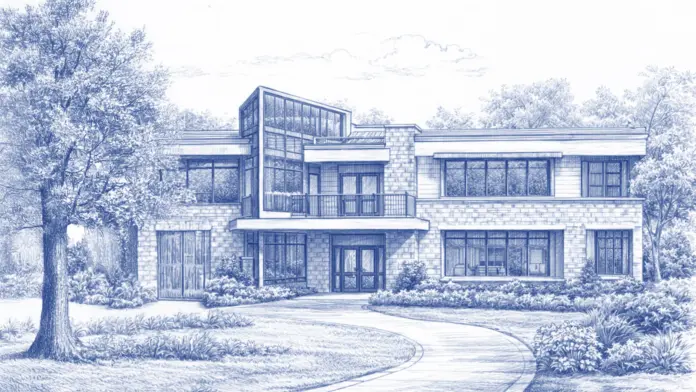
About Greater Piedmont Teen Challenge
Greater Piedmont Teen Challenge is a faith based residential addiction treatment program serving men ages 18 and older in Greensboro, North Carolina.
The program combines spiritual guidance, individual and group counseling, work therapy and life skills training to address substance abuse. Greater Piedmont Teen Challenge offers an immersive recovery experience rooted in Christian principles and community support.
Faith Based Treatment
Greater Piedmont Teen Challenge provides a comprehensive seven month residential program designed to help men overcome addiction through spiritual growth and practical life change. The facility houses up to 34 residents at a time with around the clock support and an additional six bed re entry program available for graduates needing continued support.
Treatment unfolds in two phases. The first 30 days focus on breaking destructive habits, managing emotions and building a foundation in Christian faith through counseling and spiritual development. The six month second phase emphasizes applying Christian character in daily life through work therapy, Bible study and goal setting, money management and recreational activities.
Days are highly structured with devotions, discipleship training and work projects, chapel services and skill building sessions designed to foster emotional, social and spiritual wellness.
Community Support
Beyond spiritual development, the program equips men with essential life skills including financial management, goal setting and healthy decision making. Residents participate in work projects and recreational activities that build accountability, structure and community connection to support long term recovery.
Getting Started
Greater Piedmont Teen Challenge is located on Boulevard Street in Greensboro, NC offering residential care exclusively for adult men seeking faith based recovery. The program operates Monday through Friday from 9 AM to 5 PM.
The seven month program costs $4,000 with payment plans and financial assistance available for those who qualify. Most major insurance plans are accepted and the team can help verify benefits.
Facility Overview
 40
40 Latest Reviews



Rehab Score
 Our Methodology


Location
Other Forms of Payment
Financial aid can take many forms. Centers may have grants or scholarships available to clients who meet eligibility requirements. Programs that receive SAMHSA grants may have financial aid available for those who need treatment as well. Grants and scholarships can help you pai for treatment without having to repay.
Self-pay involves paying for treatment out of your own pocket. You can use savings or credit, get a personal loan, or receive help from family and friends to fund your treatment. If you don't have insurance or your insurance plan doesn't cover a specific program, self-pay can help ensure you still get the care you need.
Addiction Treatments
Levels of Care
Clients receiving treatment at an inpatient rehab facility are typically in early recovery or are at heightened risk of relapse. Clients in inpatient care remain at the facility for the duration of their program, enabling them to focus solely on their recovery. Inpatient treatment typically involves extensive psychotherapy, often including group and family counseling as well as one-on-one sessions. Recovery-focused life skills education is another common service. Many rehabs also offer evidence-based holistic therapies.
Treatments
Alcohol use disorder, commonly called alcoholism, involves an inability to control the amount or frequency you drink and feeling withdrawal symptoms when you don't drink. Treatment for alcohol addiction may involve residential or outpatient alcohol rehab in North Carolina, counseling, or 12-step programs. Typically, some form of professional treatment and support is necessary to achieve long-term recovery.
 Opioid Addiction
There are many types of drug rehab in North Carolina. To receive treatment for addiction, you can choose from many inpatient and outpatient programs. Often, participants start with detox and work through a full continuum of care that continues with ongoing support for long-term recovery.
North Carolina offers substance abuse treatment programs that provide a holistic and evidence-based approach. Through a comprehensive mental health assessment, addiction experts can provide an individualized care plan specific to your needs. You can expect most rehabs programs to provide individual and group therapy, recovery meetings, and evidence-based therapies such as cognitive-behavioral therapy (CBT). Depending on your circumstances and severity of addiction, you may need more intensive care. Levels of care include outpatient, residential inpatient, intensive outpatient, and partial hospitalization. By choosing the right level of care, you're more likely to succeed in long-term recovery.
Drug and alcohol rehab programs that simultaneously treat mental health disorders are known as dual diagnosis centers. The specialized programs recognize that mental health conditions affect the whole person - physical, emotional, and spiritual. That's why mental health is at the center of many different dual diagnosis therapies, including individual and group therapy, cognitive behavioral therapy (CBT), trauma therapy, family support therapy, and more.
In North Carolina, dual-diagnosis addiction treatment programs focus on providing integrated care for individuals with co-occurring substance use disorders and mental health diagnoses. You can generally expect a range of programs, including intensive outpatient, inpatient residential, and partial hospitalization options. Therapies like cognitive-behavioral therapy (CBT), dialectical behavior therapy (DBT), trauma-informed therapy, and family therapy address both disorders and promote mental health and well-being, giving you the tools to sustain long-term recovery.
Programs
Adult rehab programs include therapies tailored to each client's specific needs, goals, and recovery progress. They are tailored to the specific challenges adult clients may face, including family and work pressures and commitments. From inpatient and residential treatment to various levels of outpatient services, there are many options available. Some facilities also help adults work through co-occurring conditions, like anxiety, that can accompany addiction.
Rehab.com regularly reviews this listing for accuracy but changes may occur between updates. For the most up-to-date information, please contact Greater Piedmont Teen Challenge.
Contact Information


1912 Boulevard St, Greensboro, NC 27407
Sponsored Helpline

