





























































































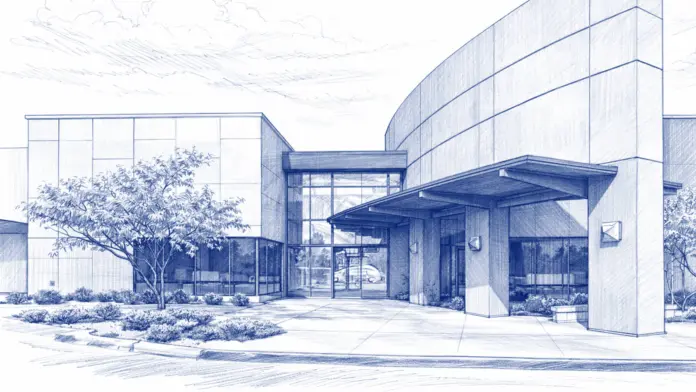
About Green Holistic Recovery
Green Holistic Recovery is an addiction treatment clinic located in Marrero, Louisiana. They provide outpatient services, DUI classes and a drug court program. When you show up to the center, you will be supported in an environment that cares for its clients with compassion.
Green Holistic Recovery strives to provide care that is culturally informed, inclusive and nonjudgmental. Addiction and mental health services take a holistic approach by focusing on the mind, body and spirit.
Outpatient Programs in Marrero
Outpatient programs focus on creating a personalized treatment plan for you while helping you maintain your daily routine and responsibilities.
The intensive outpatient program is more involved. You’ll participate in three hour therapy sessions, three days a week. It leaves room for you to do other activities during the week.
DUI classes involve educational lessons that focus on helping court mandated clients understand the impacts of driving under the influence and preventing relapse.
Community Resources
Further resources and healing spaces in Marrero like public libraries and parks. An example is the Jefferson Parish Library, which is a helpful resource to find study materials, books for entertainment and information about community events.
Facility Overview
 91+
91+ 
Rehab Score
 Our Methodology


Location
Other Forms of Payment
Medicaid is a state based program that helps lower-income individuals and families pay for healthcare. Medicaid covers addiction treatment so those enrolled can use their coverage to pay for rehab. When a program accepts Medicaid the client often pays very little or nothing out of their own pocket.
Medicare is a federal program that provides health insurance for those 65 and older. It also serves people under 65 with chronic and disabling health challenges. To use Medicare for addiction treatment you need to find a program that accepts Medicare and is in network with your plan. Out of pocket costs and preauthorization requirements vary, so always check with your provider.
Private insurance refers to any kind of healthcare coverage that isn't from the state or federal government. This includes individual and family plans offered by an employer or purchased from the Insurance Marketplace. Every plan will have different requirements and out of pocket costs so be sure to get the full details before you start treatment.
Addiction Treatments
Levels of Care
Clients engaged in an intensive outpatient program (IOP) participate in multiple treatment sessions weekly. Typical treatment modalities include individual, group, and family counseling, addiction and recovery education, medication assisted treatment (MAT), and evidence-based holistic therapies. Most intensive outpatient rehabs require clients to engage in a minimum of nine and a maximum of 20 treatment hours per week. Many clients enter IOP after stepping down from intensive inpatient care, but some may enroll immediately after completing detox.
Clients enrolled in outpatient rehab typically need less intensive supervision and support than those in inpatient care. Clients may continue to work and attend school while participating in addiction counseling and recovery education during the evening, night, or weekend. Clients also often enter intensive outpatient (IOP) treatment immediately upon exiting residential care, which provides them with high-level step-down support as they reintegrate into their homes and communities.
Treatments
Alcoholism - also known as alcohol use disorder (AUD), alcohol dependence, and alcohol addiction - is a chronic condition that describes a form of problem drinking that causes harm to a person's health and relationships. To treat AUD, alcohol rehab in Louisiana is usually necessary. This typically involves three phases: medical detox to safely withdraw from alcohol, rehabilitation through evidence-based therapies, and support for long-term recovery maintenance.
While each drug rehab in Louisiana offers unique elements, recovery support often follows a similar pattern. Detox is followed by inpatient and/or outpatient care, then aftercare support is provided once the participant completes the initial program.
Programs
Adult rehab programs include therapies tailored to each client's specific needs, goals, and recovery progress. They are tailored to the specific challenges adult clients may face, including family and work pressures and commitments. From inpatient and residential treatment to various levels of outpatient services, there are many options available. Some facilities also help adults work through co-occurring conditions, like anxiety, that can accompany addiction.
Clinical Services
People gain great insight into the patterns of behaviors and the triggers that underlie addiction when they participate in group therapy sessions. Your peers will discuss their experiences and strategies they use to manage addictive behaviors, offering you a greater opportunity to learn coping skills that work.
Men and women in Louisiana who seek individual therapy for drug and alcohol addiction treatment will receive therapy in a focused and supportive environment. Therapists customize interventions to your unique situation. This helps you understand the addictive process and develop coping strategies to help achieve and maintain sobriety.
The purpose of family therapy is to create a supportive and understanding dynamic between family members. Therapists assist families in identifying and changing negative, harmful patterns while improving open and honest communication. This provides a stable foundation for the recovery journey.
Rehab.com regularly reviews this listing for accuracy but changes may occur between updates. For the most up-to-date information, please contact Green Holistic Recovery.
Contact Information


4520 Wichers Dr suite 202, Marrero, LA 70072
Sponsored Helpline


