






























































































I won't tell you it was a completely negative experience because I learned some things that I didn't knew but clearly there are a lot of things that need to improve for this to be a place that really helps the patients.
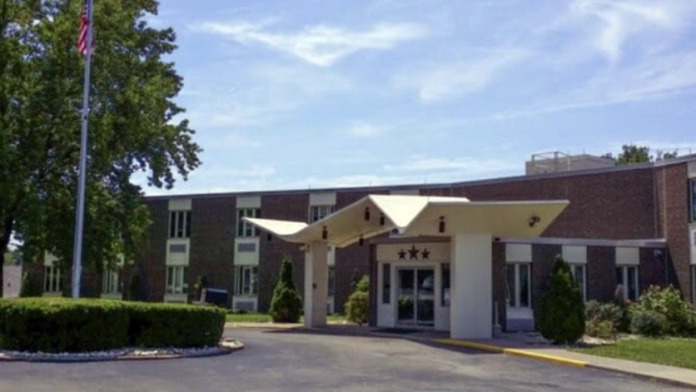
About Greenbriar Treatment Center
The treatment center accepts most major insurances offered in Western Pennsylvania. That includes Highmark BCBS and UPMC. If you’re uninsured, ask them about alternative funding options.
Everyone’s recovery journey is different but the first step for most people is detox which is withdrawing from the addictive substances in your body. Detox is the first step in the inpatient facility where they’ll monitor you for any difficult or dangerous side effects of withdrawal. They’ll give you medication to ease your symptoms if appropriate. Detox can be anywhere from a few days to two weeks.
After detox, you’ll start evidence based treatment to help you recover. You’ll have group and individual therapy. You’ll also have relapse prevention education. You’ll receive treatment for any underlying mental health issues such as anxiety, depression, or bipolar disorder. Your inpatient treatment may be as short as 28 days or as long as 90. You and your team of specialists will decide what length is best for your situation.
They also have an outpatient treatment center for drug and alcohol use disorders. You’ll get an individualized plan after a comprehensive assessment. You’ll see licensed therapists for cognitive behavioral therapy (CBT) and dialectical behavior therapy (DBT).
When you have your initial assessment, the team will help you decide which treatment program will work best for you. Inpatient requires you to live at the center so it’s not always feasible for everyone.
There’s also comprehensive discharge planning from both programs to help you in your journey to recovery. They offer continued medication management as well as family education and relapse prevention.
Latest Reviews
Lots of sex being had and I got kicked out 3 days later because I reported it and all of a sudden they kicked me out because they said I made sexual remarks to a worker 4 days prior it seems awful funny that this happen I was in room 214 and if camera footage would b pulled up I can prove to you all what goes on in there . Ask them y they are not allowed to where there hoody’s up
This place saved my life I'm now coming up on 7 years clean from Alcohol the staff I don't know if there are there anymore was great .
Great place for tevovery

Rehab Score
 Our Methodology
Scoring is assigned by a proprietary system which helps surface key metrics that determine quality. The 10-point scale factors in categories such as operations, customer satisfaction, and trust metrics. Read Full Methodology

8 / 10
Gallery
Accepted Insurance
Other Forms of Payment
Private insurance refers to any kind of healthcare coverage that isn't from the state or federal government. This includes individual and family plans offered by an employer or purchased from the Insurance Marketplace. Every plan will have different requirements and out of pocket costs so be sure to get the full details before you start treatment.
Self-pay involves paying for treatment out of your own pocket. You can use savings or credit, get a personal loan, or receive help from family and friends to fund your treatment. If you don't have insurance or your insurance plan doesn't cover a specific program, self-pay can help ensure you still get the care you need.
Medicaid is a state based program that helps lower-income individuals and families pay for healthcare. Medicaid covers addiction treatment so those enrolled can use their coverage to pay for rehab. When a program accepts Medicaid the client often pays very little or nothing out of their own pocket.
Addiction Treatments
Levels of Care
Clients receiving services from a rehab aftercare program are usually stable and in the maintenance phase of recovery, having completed detox and/or intensive inpatient treatment. Rehab aftercare services can vary widely based on clients' individual and evolving needs, but often include peer coaching, relapse prevention support, 12 step program induction, and medical, mental health, and social service referrals. Individual care plans are typically developed by the client in partnership with their case manager and care team.
12-step programs are addiction recovery models based on Alcoholics Anonymous (AA). A number of substance abuse programs (including some drug and alcohol rehab centers) use the 12 steps as a basis for treatment. Beginning steps involve admitting powerlessness over the addiction and creating a spiritual basis for recovery. Middle steps including making direct amends to those who've been hurt by the addiction, and the final step is to assist others in addiction recovery in the same way. 12-Step offshoots including Narcotics Anonymous (NA), Cocaine Anonymous (CA), Dual Recovery Anonymous (DRA), Sex and Love Addicts Anonymous (SLAA) and Gamblers Anonymous (GA).
Intervention services bring extensive experience to the planning and conducting of drug interventions in Pennsylvania. These experts can facilitate interventions in a sensitive manner that encourages positive outcomes. The goal of the intervention is to educate the individual about addiction and the consequences of their substance use and encourage them to get the treatment they need. Interventions can be effective with all types of drugs and alcohol addiction.
Because the severity of withdrawal symptoms can fluctuate, constant monitoring under 24-hour clinical care in Pennsylvania is recommended for early recovery. As you undergo detox, medical staff will supervise your health and ensure severe symptoms do not develop or threaten your life. Professional counselors will also be available to treat mental and emotional health needs.
Drug and alcohol addiction often takes a heavy toll on one's body. Over time, a physical dependence can develop, meaning the body physiologically needs the substance to function. Detox is the process of removing drugs and/or alcohol from the body, a process that can be lethal if mismanaged. Medical detox is done by licensed medical professionals who monitor vital signs and keep you safe, healthy, and as comfortable as possible as you go through detox and withdrawal.
Inpatient rehab provides clients with an opportunity to focus solely on their sobriety away from the stressors of the home and workplace. Clients receive housing, food, and intensive clinical supervision. They also typically engage in multiple addiction counseling sessions each week, including daily individual, group, and/or family sessions. Most programs also prioritize recovery-focused life skills training, including courses in relapse prevention. Many facilities offer evidence-based holistic therapies, such as yoga and meditation.
Outpatient rehabs specialize in providing comprehensive care for clients who choose to remain in their homes and communities during treatment. Their services may include transitional support for clients stepping down from intensive inpatient programming. Ambulatory medical detox may be provided for clients at low risk for withdrawal complications. Many programs include evening, night, and weekend services to accommodate clients who are working professionals or caregivers. Addiction counseling and life skills training are common treatment modalities.
Treatments
The goal of treatment for alcoholism is abstinence. Those with poor social support, poor motivation, or psychiatric disorders tend to relapse within a few years of treatment. For these people, success is measured by longer periods of abstinence, reduced use of alcohol, better health, and improved social functioning. Recovery and Maintenance are usually based on 12 step programs and AA meetings.
Drug rehab in Pennsylvania is devoted to the treatment of addiction. Levels of care, treatment methods, and settings differ, but the aim of each program is to end drug dependency and empower participants to achieve long-term recovery.
Many of those suffering from addiction also suffer from mental or emotional illnesses like schizophrenia, bipolar disorder, depression, or anxiety disorders. Rehab and other substance abuse facilities treating those with a dual diagnosis or co-occurring disorder administer psychiatric treatment to address the person's mental health issue in addition to drug and alcohol rehabilitation.
Opioid rehabs specialize in supporting those recovering from opioid addiction. They treat those suffering from addiction to illegal opioids like heroin, as well as prescription drugs like oxycodone. These centers typically combine both physical as well as mental and emotional support to help stop addiction. Physical support often includes medical detox and subsequent medical support (including medication), and mental support includes in-depth therapy to address the underlying causes of addiction.
Substance rehabs focus on helping individuals recover from substance abuse, including alcohol and drug addiction (both illegal and prescription drugs). They often include the opportunity to engage in both individual as well as group therapy.
Programs
Adult rehab programs include therapies tailored to each client's specific needs, goals, and recovery progress. They are tailored to the specific challenges adult clients may face, including family and work pressures and commitments. From inpatient and residential treatment to various levels of outpatient services, there are many options available. Some facilities also help adults work through co-occurring conditions, like anxiety, that can accompany addiction.
Young adulthood can be an exciting, yet difficult, time of transition. Individuals in their late teens to mid-20s face unique stressors related to school, jobs, families, and social circles, which can lead to a rise in substance use. Rehab centers with dedicated young adult programs will include activities and amenities that cater to this age group, with an emphasis on specialized counseling, peer socialization, and ongoing aftercare.
Men face specific challenges and concerns when seeking addiction treatment. Gender-specific recovery programs help them tackle these issues head-on in an environment that's focused, targeted, and distraction-free. It also gives them the opportunity to connect with and learn from other men who have been through a similar journey and can offer support for the next step.
Rehabs for women provide a safe, nurturing space for female clients to heal. These treatment programs consider the specific obstacles that women can face during recovery and place a special emphasis on mental, social, physical, and reproductive health. They explore how each woman's experience has shaped the trajectory of their substance use, addressing issues such as sexual abuse and past trauma.
Clinical Services
Cognitive behavioral therapy (CBT) in Pennsylvania can be helpful to individuals who are experiencing substance use disorder and various mental health conditions. It helps you identify damaging thought and behavior patterns and replace them with healthy ones.
Dialectical behavior therapy in Pennsylvania is an evidence based technique that involves group therapy, individual therapy, and phone coaching. Group sessions focus on learning behavioral skills. Individual therapy gives you the opportunity to apply what you're learning to your personal situations. Phone coaching allows you to call your therapist during the week for help with challenging situations.
Group therapy is any therapeutic work that happens in a group (not one-on-one). There are a number of different group therapy modalities, including support groups, experiential therapy, psycho-education, and more. Group therapy involves treatment as well as processing interaction between group members.
In individual therapy, a patient meets one-on-one with a trained psychologist or counselor. Therapy is a pivotal part of effective substance abuse treatment, as it often covers root causes of addiction, including challenges faced by the patient in their social, family, and work/school life.
Motivational interviewing in Pennsylvania gives you the opportunity to share your perspective and explore your ideas and motivation for change. Your therapist will walk you through the four steps of engaging, focusing, evoking, and planning to empower you to make any desired changes in your life.
It is important to process the impact that traumatic experiences have had on your life. During trauma therapy, you and an experienced therapist confront these experiences and the emotional impact it is had. This helps to reduce your symptoms of stress and anxiety and improve your overall mental health and well being.
Research clearly demonstrates that recovery is far more successful and sustainable when loved ones like family members participate in rehab and substance abuse treatment. Genetic factors may be at play when it comes to drug and alcohol addiction, as well as mental health issues. Family dynamics often play a critical role in addiction triggers, and if properly educated, family members can be a strong source of support when it comes to rehabilitation.
Life skills are the mental and social skills that are necessary to navigate day to day life. Addiction diminishes or eliminates these skills, so they must be relearned and practiced during drug rehab treatment in Pennsylvania.
Two nicotine replacement therapy medicines have been approved by the FDA. Bupropion decreases cravings and withdrawal symptoms. Varenicline reduces the urge to smoke and the enjoyment you get from cigarettes. Nonprescription therapies include gum, patches, and lozenges.
Amenities
-
 Private Transportation
 -
 Residential Setting
 -
 Private Rooms
Staff & Accreditations
Staff

James Troup
President & CEO

Karen Vula
CFO

Julia D'Alo, M.D.
Chief Medical Officer
Amy Hanrahan
Chief People Officer
Carin J. Fraioli
Vice President of Recovery Services

Lisa Cerra
Vice President of Nursing

Erich Curnow
Vice President of Strategic Management & Corporate Services

Amanda Dodd
Vice President of Admissions & Care Coordination
Accreditations

The Commission on Accreditation of Rehabilitation Facilities (CARF) is a non-profit organization that specifically accredits rehab organizations. Founded in 1966, CARF's, mission is to help service providers like rehab facilities maintain high standards of care.
CARF Accreditation: Yes

State Licenses are permits issued by government agencies that allow rehab organizations to conduct business legally within a certain geographical area. Typically, the kind of program a rehab facility offers, along with its physical location, determines which licenses are required to operate legally.
State License: Pennsylvania

The Joint Commission, formerly known as JCAHO, is a nonprofit organization that accredits rehab organizations and programs. Founded in 1951, the Joint Commision's mission is to improve the quality of patient care and demonstrating the quality of patient care.
Joint Commission Accreditation: Yes
Rehab.com regularly reviews this listing for accuracy but changes may occur between updates. For the most up-to-date information, please contact Greenbriar Treatment Center.
Contact Information

800 Manor Dr
Washington, PA 15301
Get Help Now - 412-729-2267
Sponsored Helpline
Sponsored Helpline



