






























































































Completed the 6 month program and I have been clean ever since! Almost 5 years! I'm so grateful for them that after I got 2 years clean I applied there and I'm employed there today!! I'm living proof that we do recover!
About Hope In the Mountain
Hope in the Mountains is a Kentucky licensed drug and alcohol rehab in Prestonsburg, Kentucky offering a full continuum of addiction treatment for adults seeking lasting recovery.
The program provides intake and orientation, high intensity and low intensity residential care, transitional living and outpatient services.
The facility emphasizes a real life rehab model rooted in 12 step philosophy, life skills development and community integration, supported by a multidisciplinary clinical team.
Residential Treatment and Peer Support
Treatment typically begins with intake and orientation including screening, assessments, treatment planning and assignment of a mentor.
From there, clients may step into high intensity or low intensity residential treatment, followed by transitional living and outpatient care to reinforce long term recovery.
Clients can expect individual and group therapy, peer support services and targeted case management, psychoeducation and relapse prevention.
The program also supports clients with co-occurring mental health conditions and helps residents practice coping skills, problem solving and community reintegration through work, school or service.
What to Know
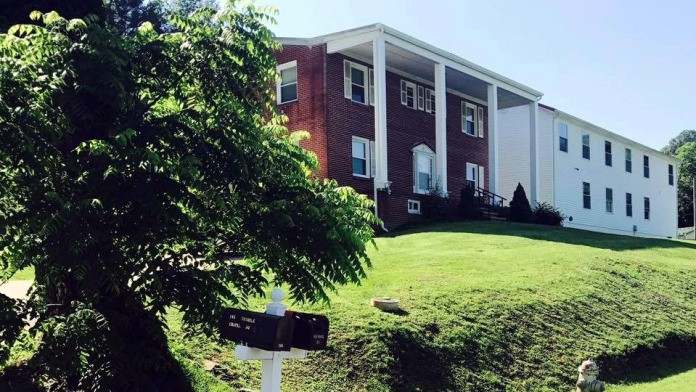
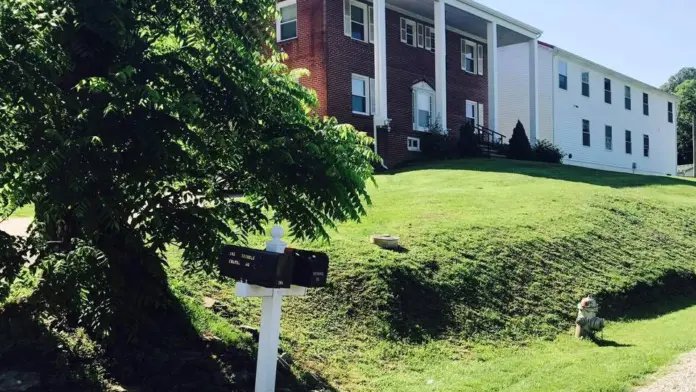
- Location: Prestonsburg, Kentucky and set in the Appalachian Mountains with a quiet, private residential setting and mountain views
- Levels of care: High intensity residential, low intensity residential, transitional living and outpatient services
- Who they treat: Adults motivated to pursue recovery, including those with co-occurring mental health conditions and a dedicated women’s residential center
- Approach: 12 step focused, life skills training, peer support and trauma informed clinical care
- Payment options: All forms of Medicaid, most commercial insurance, private health plans and private pay
- Accreditation: CARF accredited, Kentucky licensed AODE provider, National Health Service Corps site and DOC approved
Latest Reviews
Kristina Blakely
Reviewed on 05/21/2026
Completed the 6 month program and I have been clean ever since! Almost 5 years! I'm so grateful for them that after I got 2 years clean I applied there and I'm employed there today!! I'm living proof that we do recover!
I wanna thank Hope in the Mountains for giving me my wife! By saving her, it saved me. She and I just celebrated 6 years clean from all drugs and alcohol. If you have a loved one needing help, definitely call them.
This place saved my life. They believed in me until I could believe in myself. They have helped me so much and I can't say enough good things about this place

Rehab Score
 Our Methodology
Scoring is assigned by a proprietary system which helps surface key metrics that determine quality. The 10-point scale factors in categories such as operations, customer satisfaction, and trust metrics. Read Full Methodology

7.4 / 10
Gallery
Accepted Insurance
Other Forms of Payment
Private insurance refers to any kind of healthcare coverage that isn't from the state or federal government. This includes individual and family plans offered by an employer or purchased from the Insurance Marketplace. Every plan will have different requirements and out of pocket costs so be sure to get the full details before you start treatment.
Medicare is a federal program that provides health insurance for those 65 and older. It also serves people under 65 with chronic and disabling health challenges. To use Medicare for addiction treatment you need to find a program that accepts Medicare and is in network with your plan. Out of pocket costs and preauthorization requirements vary, so always check with your provider.
Medicaid is a state based program that helps lower-income individuals and families pay for healthcare. Medicaid covers addiction treatment so those enrolled can use their coverage to pay for rehab. When a program accepts Medicaid the client often pays very little or nothing out of their own pocket.
Sliding scale payments are based on a client's income and family size. The goal is to make treatment affordable to everyone. By taking these factors into account, addiction recovery care providers help ensure that your treatment does not become a financial burden to you or your family, eliminating one barrier to care.
Self-pay involves paying for treatment out of your own pocket. You can use savings or credit, get a personal loan, or receive help from family and friends to fund your treatment. If you don't have insurance or your insurance plan doesn't cover a specific program, self-pay can help ensure you still get the care you need.
Addiction Treatments
Levels of Care
Outpatient rehabs enable clients to integrate addiction treatment into their daily lives. Clients typically continue to work and reside at home, but may engage in daily therapeutic sessions, depending on need. Outpatient treatment generally involves individual, group, and/or family therapy, recovery-focused life skills training, and a variety of ancillary services, such as career counseling or vocational training. Outpatient rehabs often encompass multiple levels of care, including partial hospitalization (PHP), intensive outpatient (IOP), sober living, and standard outpatient.
Residential treatment programs are those that offer housing and meals in addition to substance abuse treatment. Rehab facilities that offer residential treatment allow patients to focus solely on recovery, in an environment totally separate from their lives. Some rehab centers specialize in short-term residential treatment (a few days to a week or two), while others solely provide treatment on a long-term basis (several weeks to months). Some offer both, and tailor treatment to the patient's individual requirements.
12-step programs are addiction recovery models based on Alcoholics Anonymous (AA). A number of substance abuse programs (including some drug and alcohol rehab centers) use the 12 steps as a basis for treatment. Beginning steps involve admitting powerlessness over the addiction and creating a spiritual basis for recovery. Middle steps including making direct amends to those who've been hurt by the addiction, and the final step is to assist others in addiction recovery in the same way. 12-Step offshoots including Narcotics Anonymous (NA), Cocaine Anonymous (CA), Dual Recovery Anonymous (DRA), Sex and Love Addicts Anonymous (SLAA) and Gamblers Anonymous (GA).
A sober living home in Kentucky offers many benefits to those in recovery. These drug-free environments allow individuals to distance themselves from situations that would prompt triggers and lead to relapse. Men's and women's sober living also offers 12-step programs, counseling, job placement services, and long-term residence after treatment. During their stay, residents are required to abstain from alcohol and drug use, pay rent, and contribute to household responsibilities.
Treatments
The goal of treatment for alcoholism is abstinence. Those with poor social support, poor motivation, or psychiatric disorders tend to relapse within a few years of treatment. For these people, success is measured by longer periods of abstinence, reduced use of alcohol, better health, and improved social functioning. Recovery and Maintenance are usually based on 12 step programs and AA meetings.
Drug rehab in Kentucky often starts with detox, then includes inpatient or outpatient treatment, and continues with aftercare support. Specific methods used during each of these phases varies, but often include individual and group counseling, medication, and recreational therapies.
Substance rehabs focus on helping individuals recover from substance abuse, including alcohol and drug addiction (both illegal and prescription drugs). They often include the opportunity to engage in both individual as well as group therapy.
 Opioid Addiction
Programs
Adult rehab programs include therapies tailored to each client's specific needs, goals, and recovery progress. They are tailored to the specific challenges adult clients may face, including family and work pressures and commitments. From inpatient and residential treatment to various levels of outpatient services, there are many options available. Some facilities also help adults work through co-occurring conditions, like anxiety, that can accompany addiction.
Young adulthood can be an exciting, yet difficult, time of transition. Individuals in their late teens to mid-20s face unique stressors related to school, jobs, families, and social circles, which can lead to a rise in substance use. Rehab centers with dedicated young adult programs will include activities and amenities that cater to this age group, with an emphasis on specialized counseling, peer socialization, and ongoing aftercare.
Rehabs for women provide a safe, nurturing space for female clients to heal. These treatment programs consider the specific obstacles that women can face during recovery and place a special emphasis on mental, social, physical, and reproductive health. They explore how each woman's experience has shaped the trajectory of their substance use, addressing issues such as sexual abuse and past trauma.
Clinical Services
Group therapy is any therapeutic work that happens in a group (not one-on-one). There are a number of different group therapy modalities, including support groups, experiential therapy, psycho-education, and more. Group therapy involves treatment as well as processing interaction between group members. Participants examine the way they communicate and how that influences the quality of their relationships. They also offer many services to enrich the quality of the patient's life.
In individual therapy, a patient meets one-on-one with a trained psychologist or counselor. Therapy is a pivotal part of effective substance abuse treatment, as it often covers root causes of addiction, including challenges faced by the patient in their social, family, and work/school life.
Trauma therapy provides you with a safe space to work through a trauma that you witnessed or experienced. Trauma informed therapy supports you to understand your emotional and physical responses and develop healthier coping mechanisms when exposed to triggers in the community. This improves your sense of self confidence and empowerment.
Research clearly demonstrates that recovery is far more successful and sustainable when loved ones like family members participate in rehab and substance abuse treatment. Genetic factors may be at play when it comes to drug and alcohol addiction, as well as mental health issues. Family dynamics often play a critical role in addiction triggers, and if properly educated, family members can be a strong source of support when it comes to rehabilitation.
Cognitive behavioral therapy in Kentucky involves learning to recognize unhealthy thinking patterns and developing problem solving skills to cope with life's challenges. It will help you have greater confidence in your abilities so you can change your patterns of behavior and break free from substance abuse.
Several techniques are key to motivational interviewing in Kentucky. Your therapist will use open ended questions, affirm your strengths, reflect your responses back to you, and summarize your responses. This allows you to identify any discrepancies in your current situation and your future goals, which can motivate you to make changes.
Amenities
-
 Residential Setting
 -
 Private Setting
 -
 Gym
Gym -
 Mountain Views
Staff & Accreditations
Staff
Renee McCoy
Executive Director
Mae Shurow, BSW, GCDF
Substance Abuse Counselor
Accreditations

The Commission on Accreditation of Rehabilitation Facilities (CARF) is a non-profit organization that specifically accredits rehab organizations. Founded in 1966, CARF's, mission is to help service providers like rehab facilities maintain high standards of care.
CARF Accreditation: Yes

State Licenses are permits issued by government agencies that allow rehab organizations to conduct business legally within a certain geographical area. Typically, the kind of program a rehab facility offers, along with its physical location, determines which licenses are required to operate legally.
State License: Kentucky
Rehab.com regularly reviews this listing for accuracy but changes may occur between updates. For the most up-to-date information, please contact Hope In the Mountain.
Contact Information

105 Trimble Chapel Square
Prestonsburg KY, 41653
Get Help Now - 606-257-4949
Sponsored Helpline
Sponsored Helpline


