






























































































I had suffered from a crack cocaine addiction for 7 years, and tried many, many treatment centers and House of Freedom was the only one that worked for me.
About House of Freedom
They offer 30, 90-day or 15 month residential rehab programs. They use cutting-edge methods such as brain imaging, DNA tests, personal fitness plans, and sleep studies to create a treatment plan for you. They combine these techniques with proven counseling and therapy.
The staff at House of Freedom includes medical doctors, psychiatrists, licensed addiction specialists, mental health professionals and physical trainers certified by the National Academy of Sports Medicine. This varied team allows you to get as fulsome a treatment as possible.
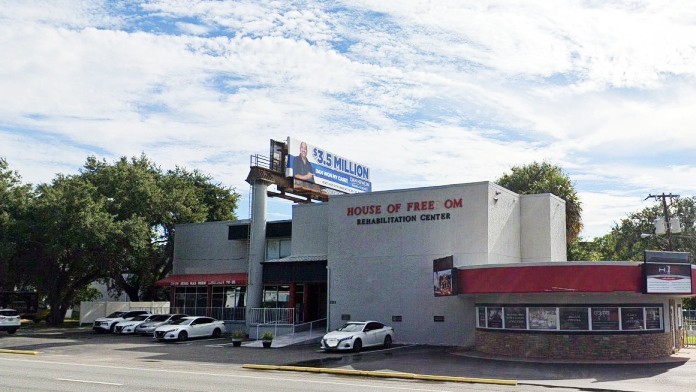
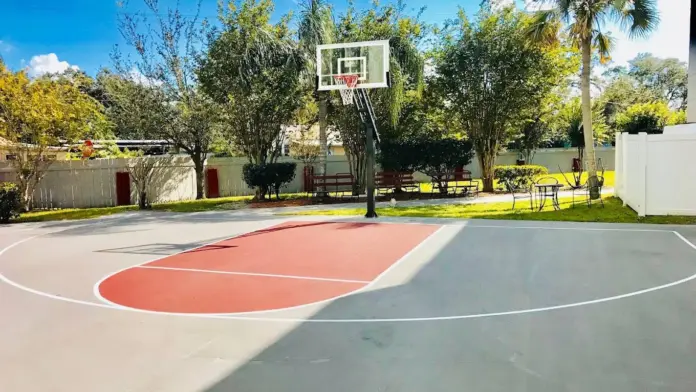
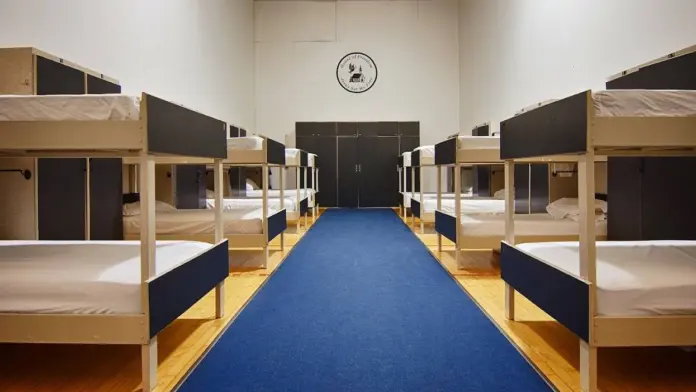
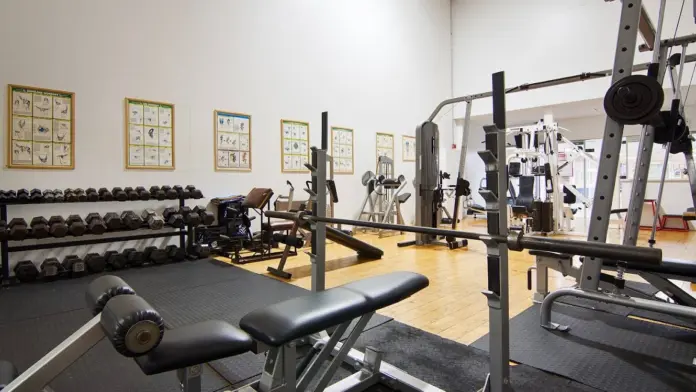
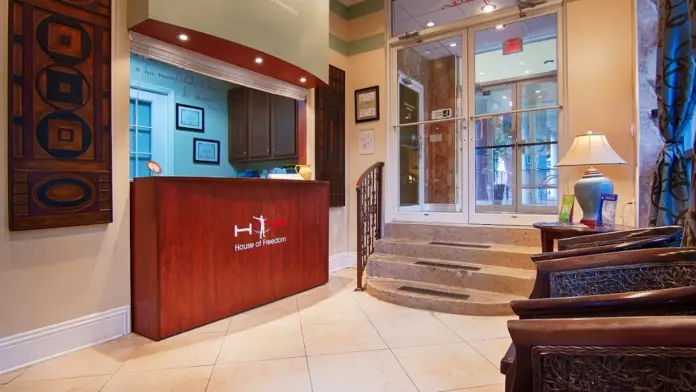
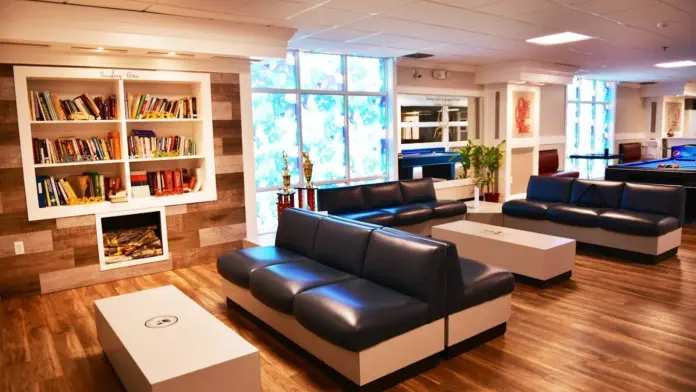
On site amenities include a basketball court, movie room, comfortable beds, plenty of lounge areas, outdoor swimming pool, and well-equipped gym.
I like that they offer a 15-month residential treatment option. This is ideal for those who have spent years using substances. This program has 5 phases and includes vocational and educational training, support and education for your family and much more.
Outpatient tracks are either intensive or general. You’ll be assigned either one depending on the intensity of treatment you need. You’ll spend anywhere from 3-9 hours a week in therapeutic activities.
Several previous clients say that this was not the first drug rehab program they’ve tried. But after being at House of Freedom, they reached long-term sobriety. Although this isn’t mentioned on their website, several clients mention that this is a Christian rehab. Unhappy former clients tend to have concerns with fees and lack of insurance coverage.
Facility Overview
 16 - 30
 Number of Available Beds
 $$2,000 - $20,000
 Avg Cost per Day
Latest Reviews
Todo lo que es bueno esta en ese centro no consigo palabras para describir la calidad lo recomiendo un 1000% es un gran lugar para salir de la situacion mi hijo medijo al salir que desde que entro sintio la prencencia de dios y que todos son una familia que no hay nada malo asi que escoger house of freedom es la mejor opcion...
Muchísimas gracias por tomarte el tiempo de compartir estas palabras tan conmovedoras sobre su experiencia con nosotros en House of Freedom.
Nos llena de mucha alegría saber que su hijo se sintió acogido y acompañado en su proceso de recuperación, y que pudo experimentar esa sensación de familia y paz que tanto nos esforzamos por brindar a cada persona que cruza nuestras puertas. Saber que él pudo sentir la presencia de Dios en su camino hacia la sanación es para nosotros el mayor de los reconocimientos.
Gracias por su confianza y por recomendarnos al 1000%. Estamos profundamente agradecidos de haber formado parte de la historia de su familia y nos alegra saber que han encontrado en nosotros un lugar de esperanza.
Un afectuoso saludo y Dios le bendiga.
El equipo de House of Freedom
Response from the owner1 week ago
Estimada Kelly,Muchísimas gracias por tomarte el tiempo de compartir estas palabras tan conmovedoras sobre su experiencia con nosotros en House of Freedom.
Nos llena de mucha alegría saber que su hijo se sintió acogido y acompañado en su proceso de recuperación, y que pudo experimentar esa sensación de familia y paz que tanto nos esforzamos por brindar a cada persona que cruza nuestras puertas. Saber que él pudo sentir la presencia de Dios en su camino hacia la sanación es para nosotros el mayor de los reconocimientos.
Gracias por su confianza y por recomendarnos al 1000%. Estamos profundamente agradecidos de haber formado parte de la historia de su familia y nos alegra saber que han encontrado en nosotros un lugar de esperanza.
Un afectuoso saludo y Dios le bendiga.
El equipo de House of Freedom
Muy bueno para la rehabilitación y orde b ar la vida de una persona creyente y llevarlo a el próximo Nivel
Response from the owner1 week ago
Gracias Pastor por su reseña de 5 estrellas. Con la ayuda del Señor, estamos para servir a todos los necesitados en la libertad de la adicción a drogas. Dios le bendiga.
Awesome people, Top Tier Program with excellent resources, I did the 15 month full program in 2023 and been sober ever since for the Glory of God. Great professionals and facilities.

Rehab Score
 Our Methodology
Scoring is assigned by a proprietary system which helps surface key metrics that determine quality. The 10-point scale factors in categories such as operations, customer satisfaction, and trust metrics. Read Full Methodology

7.4 / 10
Gallery
Accepted Insurance
Other Forms of Payment
Private insurance refers to any kind of healthcare coverage that isn't from the state or federal government. This includes individual and family plans offered by an employer or purchased from the Insurance Marketplace. Every plan will have different requirements and out of pocket costs so be sure to get the full details before you start treatment.
Self-pay involves paying for treatment out of your own pocket. You can use savings or credit, get a personal loan, or receive help from family and friends to fund your treatment. If you don't have insurance or your insurance plan doesn't cover a specific program, self-pay can help ensure you still get the care you need.
Private insurance refers to any kind of healthcare coverage that isn't from the state or federal government. This includes individual and family plans offered by an employer or purchased from the Insurance Marketplace. Every plan will have different requirements and out of pocket costs so be sure to get the full details before you start treatment.
Addiction Treatments
Levels of Care
Outpatient Programs (OP) are for those seeking mental rehab or drug rehab, but who also stay at home every night. The main difference between outpatient treatment (OP) and intensive outpatient treatment (IOP) lies in the amount of hours the patient spends at the facility. Most of the time an outpatient program is designed for someone who has completed an inpatient stay and is looking to continue their growth in recovery. Outpatient is not meant to be the starting point, it is commonly referred to as aftercare.
Residential treatment programs are those that offer housing and meals in addition to substance abuse treatment. Rehab facilities that offer residential treatment allow patients to focus solely on recovery, in an environment totally separate from their lives. Some rehab centers specialize in short-term residential treatment (a few days to a week or two), while others solely provide treatment on a long-term basis (several weeks to months). Some offer both, and tailor treatment to the patient's individual requirements.
Intensive Outpatient Programs (IOP) are for those who want or need a very structured treatment program but who also wish to live at home and continue with certain responsibilities (such as work or school). IOP substance abuse treatment programs vary in duration and intensity, and certain outpatient rehab centers will offer individualized treatment programs.
Drug and alcohol addiction often takes a heavy toll on one's body. Over time, a physical dependence can develop, meaning the body physiologically needs the substance to function. Detox is the process of removing drugs and/or alcohol from the body, a process that can be lethal if mismanaged. Medical detox is done by licensed medical professionals who monitor vital signs and keep you safe, healthy, and as comfortable as possible as you go through detox and withdrawal.
Often referred to as "day treatment," a partial hospitalization program (PHP) offers an intensive treatment option that allows individuals to return home at night. PHP treatment typically requires a minimum of 20 hours a week for an average of 90 days. Participants attend daily therapeutic sessions, receive medication management, and have access to skilled medical professionals. While costs can vary, most insurance will fully or partially cover a partial hospitalization program.
Treatments
The goal of treatment for alcoholism is abstinence. Those with poor social support, poor motivation, or psychiatric disorders tend to relapse within a few years of treatment. For these people, success is measured by longer periods of abstinence, reduced use of alcohol, better health, and improved social functioning. Recovery and Maintenance are usually based on 12 step programs and AA meetings.
Drug rehab in Florida provides quality treatment to help individuals overcome dependency related to a wide range of addictive substances. Programs address both the physical and mental aspects of addiction in order to help you make a full recovery.
Many of those suffering from addiction also suffer from mental or emotional illnesses like schizophrenia, bipolar disorder, depression, or anxiety disorders. Rehab and other substance abuse facilities treating those with a dual diagnosis or co-occurring disorder administer psychiatric treatment to address the person's mental health issue in addition to drug and alcohol rehabilitation.
Opioid rehabs specialize in supporting those recovering from opioid addiction. They treat those suffering from addiction to illegal opioids like heroin, as well as prescription drugs like oxycodone. These centers typically combine both physical as well as mental and emotional support to help stop addiction. Physical support often includes medical detox and subsequent medical support (including medication), and mental support includes in-depth therapy to address the underlying causes of addiction.
Substance rehabs focus on helping individuals recover from substance abuse, including alcohol and drug addiction (both illegal and prescription drugs). They often include the opportunity to engage in both individual as well as group therapy.
Programs
Adult rehab programs include therapies tailored to each client's specific needs, goals, and recovery progress. They are tailored to the specific challenges adult clients may face, including family and work pressures and commitments. From inpatient and residential treatment to various levels of outpatient services, there are many options available. Some facilities also help adults work through co-occurring conditions, like anxiety, that can accompany addiction.
Young adulthood can be an exciting, yet difficult, time of transition. Individuals in their late teens to mid-20s face unique stressors related to school, jobs, families, and social circles, which can lead to a rise in substance use. Rehab centers with dedicated young adult programs will include activities and amenities that cater to this age group, with an emphasis on specialized counseling, peer socialization, and ongoing aftercare.
Recovery is most successful when clients feel accepted and validated by their peers and treatment providers. Facilities that offer LGBTQ-inclusive programming are committed to creating a safe space where everyone can grow and recover without fear of judgment or discrimination. They will have dedicated policies in place to create a safe and supportive environment that fosters free expression.
Serving in the military is both mentally and physically challenging, and can result in trauma that persists even after combat ends. Military programs are tailored to the specific and often complex needs of active duty personnel, veterans, and military families. Clients often access these programs through the U.S. Department of Veterans Affairs (VA).
Men face specific challenges and concerns when seeking addiction treatment. Gender-specific recovery programs help them tackle these issues head-on in an environment that's focused, targeted, and distraction-free. It also gives them the opportunity to connect with and learn from other men who have been through a similar journey and can offer support for the next step.
Rehabs for women provide a safe, nurturing space for female clients to heal. These treatment programs consider the specific obstacles that women can face during recovery and place a special emphasis on mental, social, physical, and reproductive health. They explore how each woman's experience has shaped the trajectory of their substance use, addressing issues such as sexual abuse and past trauma.
Clinical Services
Group therapy is any therapeutic work that happens in a group (not one-on-one). There are a number of different group therapy modalities, including support groups, experiential therapy, psycho-education, and more. Group therapy involves treatment as well as processing interaction between group members.
Therapists who apply cognitive behavioral therapy in Florida believe patient thoughts and behaviors are closely linked. They use this treatment method to help clients change their thought patterns so they can also change behaviors and break free from substance abuse.
During family therapy sessions, you navigate the complexities of addiction and are provided tools to help improve communication and resolve conflicts. When you work together, families can better support their loved one's recovery and restore balance and harmony within the household.
Individual therapy often includes Cognitive Behavioral Therapy. This is a structured approach to identifying and changing negative thought patterns. During therapy you learn how what you think drives your actions so you can develop healthier coping strategies to manage addiction triggers and reduce drug use.
As a short term therapeutic method, motivational interviewing in Florida requires only a couple of sessions. During these sessions, you'll have the opportunity to talk about your circumstances and any discrepancies between your current situation and future goals. You'll then decide for yourself what changes you want to make.
Recreational therapy helps you recover from addiction by giving you structured activities that promote your physical health and mental well being. These activities could range from sports and fitness to creative arts and provide a constructive outlet for your emotions and stress.
Trauma therapy helps you work through the psychological impact that traumatic events have had on your life. Your therapist helps you identify the physical, emotional, and mental triggers and develop coping mechanisms. This helps rebuild a sense of safety and trust in yourself and others.
Amenities
-
 Basketball Court
 -
 Private Rooms
Staff & Accreditations
Staff
Olga Morales
Co-Founder & CEO
Mario Perez, MD
Medical Director
Alejandro Campos
Residental Treatment Director
Sherlley Y. Campos
Clinical Director
Iris Y. Ponce
CFO
Deborah Morales
Admissions Coordinator
Accreditations

The Commission on Accreditation of Rehabilitation Facilities (CARF) is a non-profit organization that specifically accredits rehab organizations. Founded in 1966, CARF's, mission is to help service providers like rehab facilities maintain high standards of care.
CARF Accreditation: Yes
Rehab.com regularly reviews this listing for accuracy but changes may occur between updates. For the most up-to-date information, please contact House of Freedom.
Contact Information

2311 North Orange Blossom Trail
Kissimmee FL, 34744
Get Help Now - 407-204-9068
Sponsored Helpline
Sponsored Helpline


