Great facility. You have helped save many lives including mine. Some will never get the chance to experience the results that a treatment center can bring if you are looking for a place that gives you the opportunity to recover, don't hesitate to visit them.
About House of Hope Inc
In 1977, two men in recovery came together with a heartfelt dream to create a home where other men with substance use disorder could find healing and a fresh start. That homely residential facility, now House of Hope in Grove, Oklahoma, has since helped over 4,000 men reclaim their lives with dignity and purpose. Many other men and women have also turned to the outpatient program here for strength and support in rebuilding their lives.
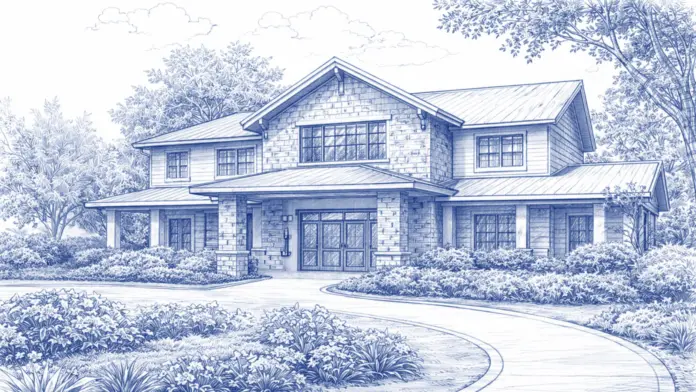
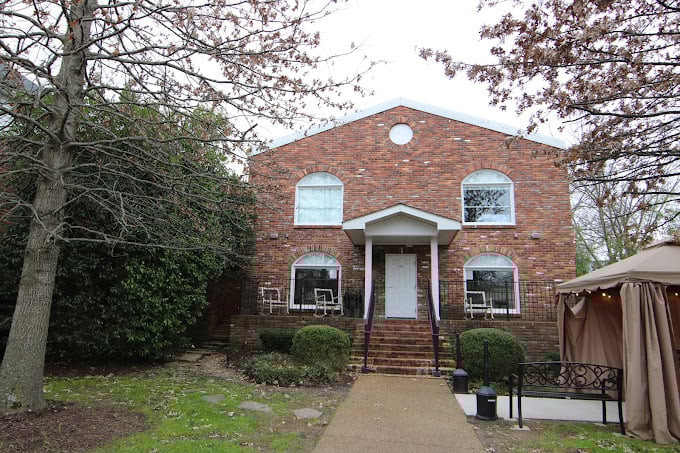
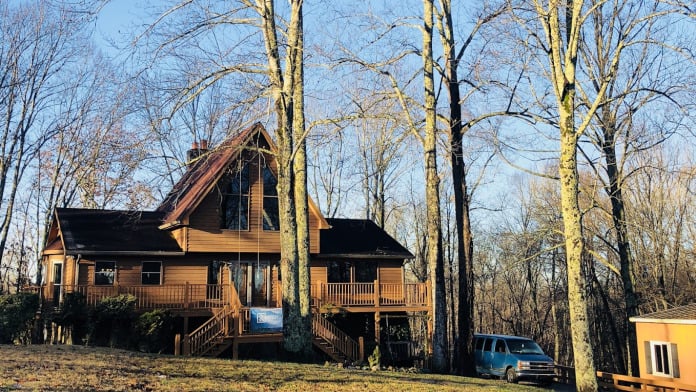
Their men’s residential facility is nestled on 10 acres surrounded by the quietness of nature. Their peaceful and structured setting ensures clients work toward achieving sobriety while enjoying a life of serenity, spirituality and purpose. The facility is dorm-like with four people sharing a room. The accommodations are comfortable, casual and convenient. Residents enjoy three daily home-cooked meals. Individual dietary needs are met as necessary.
Clients are treated with respect and dignity by compassionate staff dedicated to helping them recover. The support and camaraderie among clients and staff foster deep and family-like bonds that can last a lifetime.
The program is very cost-effective. They offer sliding fees or discounts based on family size and income. This ensures no one is denied care due to an inability to pay.
12-Step Based Men’s Residential Treatment
The House of Hope men’s residential program guides men toward lasting abstinence by combining the power of positive peer support with time-tested 12 Step practices. Clients attend daily educational classes, process and life skills groups, and individual sessions to develop healthy coping skills and strengthen their commitment to recovery. Therapy sessions address healthy communication, goal setting and anger/stress management. They also handle self-esteem building, assertiveness and healthy relationships.
Residents are introduced to 12 Step meetings of AA and NA by attending outside meetings. This helps them build a sober support network and deepen their understanding of the recovery process. Family involvement is also encouraged to strengthen relationships and create a supportive environment for lasting recovery. The program is open-ended with the length of stay determined via assessments by a certified counselor. The average stay is 30 days.
Outpatient Programs for Men and Women
Most clients transition to the outpatient program to continue their recovery with more flexibility while staying connected to support. This program is available for men and women. Their outpatient services also include court-ordered screening and assessment for DUI offenders with referral support when necessary.

Latest Reviews
Rehab Score
Other Forms of Payment
Private insurance refers to any kind of healthcare coverage that isn't from the state or federal government. This includes individual and family plans offered by an employer or purchased from the Insurance Marketplace. Every plan will have different requirements and out of pocket costs so be sure to get the full details before you start treatment.
Self-pay involves paying for treatment out of your own pocket. You can use savings or credit, get a personal loan, or receive help from family and friends to fund your treatment. If you don't have insurance or your insurance plan doesn't cover a specific program, self-pay can help ensure you still get the care you need.
Medicaid is a state based program that helps lower-income individuals and families pay for healthcare. Medicaid covers addiction treatment so those enrolled can use their coverage to pay for rehab. When a program accepts Medicaid the client often pays very little or nothing out of their own pocket.
Addiction Treatments
Levels of Care
Outpatient Programs (OP) are for those seeking mental rehab or drug rehab, but who also stay at home every night. The main difference between outpatient treatment (OP) and intensive outpatient treatment (IOP) lies in the amount of hours the patient spends at the facility. Most of the time an outpatient program is designed for someone who has completed an inpatient stay and is looking to continue their growth in recovery. Outpatient is not meant to be the starting point, it is commonly referred to as aftercare.
Inpatient rehabs provide extra support for clients in early recovery and those at a high risk of relapse. They allow clients to focus on their sobriety safe from outside distractions, stressors, and addiction triggers. Clients reside at the treatment center for the length of their program, where they receive extensive addiction counseling, including individual, group, and family therapy. Many programs also offer robust life skills training and holistic therapies, such as meditation.
Clients enrolled in rehab aftercare programs have typically completed weeks or months of intensive treatment, often in inpatient detox and/or rehab centers, and may be receiving outpatient care. Drug rehab aftercare is designed to approach recovery as a life-long process. Clients and their case managers and care teams typically work together to formulate clients' continuing care plan, which may include peer coaching, career counseling, and 12 step program facilitation, among other services.
12-step programs are addiction recovery models based on Alcoholics Anonymous (AA). A number of substance abuse programs (including some drug and alcohol rehab centers) use the 12 steps as a basis for treatment. Beginning steps involve admitting powerlessness over the addiction and creating a spiritual basis for recovery. Middle steps including making direct amends to those who've been hurt by the addiction, and the final step is to assist others in addiction recovery in the same way. 12-Step offshoots including Narcotics Anonymous (NA), Cocaine Anonymous (CA), Dual Recovery Anonymous (DRA), Sex and Love Addicts Anonymous (SLAA) and Gamblers Anonymous (GA).

A drug intervention in Oklahoma can be an effective tool for a loved one who's struggling with alcohol and drug addiction. Intervention services include trained interventionists to help families plan and carry out an intervention with their loved one. It is often helpful to involve a non-partial expert in this highly emotional process. The interventionist provides expert insight and can recommend the best course of treatment for the individual and family.

The safest way to remove addictive substances from your body after you've become physically dependent is through a medically assisted detox. Usually performed in an inpatient setting, a team of licensed medical professionals are tasked with monitoring your health and helping to minimize the risks and physical discomfort caused by withdrawal symptoms. Medically assisted detox is often the first step in the recovery process. After your body is safely free of substances, you'll likely transition to an inpatient treatment program to continue your recovery.
Treatments
The goal of treatment for alcoholism is abstinence. Those with poor social support, poor motivation, or psychiatric disorders tend to relapse within a few years of treatment. For these people, success is measured by longer periods of abstinence, reduced use of alcohol, better health, and improved social functioning. Recovery and Maintenance are usually based on 12 step programs and AA meetings.
To address the issues of addiction, each drug rehab in Oklahoma is tailored to meet the individual's needs. Treatment may occur in a residential or outpatient setting, and may last from a few days to several months.
Opioid rehabs specialize in supporting those recovering from opioid addiction. They treat those suffering from addiction to illegal opioids like heroin, as well as prescription drugs like oxycodone. These centers typically combine both physical as well as mental and emotional support to help stop addiction. Physical support often includes medical detox and subsequent medical support (including medication), and mental support includes in-depth therapy to address the underlying causes of addiction.
Substance rehabs focus on helping individuals recover from substance abuse, including alcohol and drug addiction (both illegal and prescription drugs). They often include the opportunity to engage in both individual as well as group therapy.
Programs
Adult rehab programs include therapies tailored to each client's specific needs, goals, and recovery progress. They are tailored to the specific challenges adult clients may face, including family and work pressures and commitments. From inpatient and residential treatment to various levels of outpatient services, there are many options available. Some facilities also help adults work through co-occurring conditions, like anxiety, that can accompany addiction.
Young adulthood can be an exciting, yet difficult, time of transition. Individuals in their late teens to mid-20s face unique stressors related to school, jobs, families, and social circles, which can lead to a rise in substance use. Rehab centers with dedicated young adult programs will include activities and amenities that cater to this age group, with an emphasis on specialized counseling, peer socialization, and ongoing aftercare.
Clinical Services
Cognitive Behavioral Therapy (CBT) is a therapy modality that focuses on the relationship between one's thoughts, feelings, and behaviors. It is used to establish and allow for healthy responses to thoughts and feelings (instead of unhealthy responses, like using drugs or alcohol). CBT has been proven effective for recovering addicts of all kinds, and is used to strengthen a patient's own self-awareness and ability to self-regulate. CBT allows individuals to monitor their own emotional state, become more adept at communicating with others, and manage stress without needing to engage in substance abuse.
Addiction treatment in Oklahoma may include dialectical behavior therapy. This evidence based approach teaches you how to improve relationships, manage your emotions, and learn healthy ways to deal with stress. Treatment includes one on one sessions with a therapist and group skills application sessions.

Motivational Interviewing (MI) is a clinical approach to helping people with substance abuse issues and other conditions shift behavior in positive ways. It is more goal-oriented than traditional psychotherapy, as MI counselors directly attempt to get clients to consider making behavioral change (rather than wait for them to come to conclusions themselves). Its primary purpose is to resolve ambivalence and help clients become able to make healthy choices freely.
Trauma therapy addresses traumatic incidents from a client's past that are likely affecting their present-day experience. Trauma is often one of the primary triggers and potential causes of addiction, and can stem from child sexual abuse, domestic violence, having a parent with a mental illness, losing one or both parents at a young age, teenage or adult sexual assault, or any number of other factors. The purpose of trauma therapy is to allow a patient to process trauma and move through and past it, with the help of trained and compassionate mental health professionals.
Life skills trainings involve all the skills a person must have in order to function successfully in the world. These include time management, career guidance, money management, and effective communication. Truly successful addiction recovery is based on the ability to not only live substance-free, but to thrive. Life skills teaches the practical necessities of functioning in society, which sets clients up for success in life, and therefore sobriety.
Research has shown that nicotine replacement therapy increases your chances of quitting smoking. It works by providing controlled amounts of nicotine, which you can reduce over time, to wean yourself off tobacco without suffering from extreme withdrawals and cravings.
Amenities
-
Residential Setting
-
Private Rooms
Accreditations
State Licenses are permits issued by government agencies that allow rehab organizations to conduct business legally within a certain geographical area. Typically, the kind of program a rehab facility offers, along with its physical location, determines which licenses are required to operate legally.
State License: Oklahoma
Contact Information
32300 South 625 Road
Grove, OK 74344