





























































































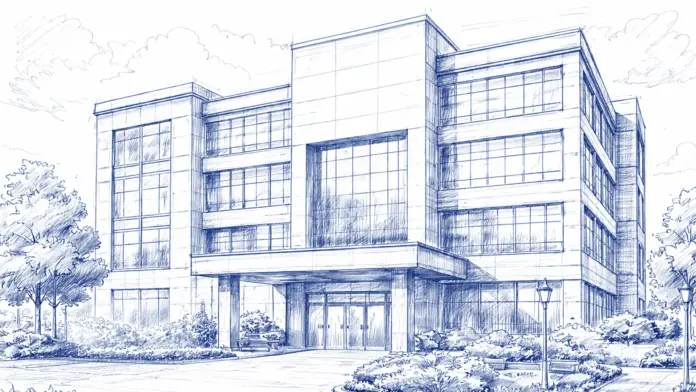
About Huntington Addiction Wellness Center
HAWC Recovery (Huntington Addiction Wellness Center) is a CARF-accredited, principle-driven treatment facility in West Virginia that provides a comprehensive three-phase continuum of care focused on long-term stability and real-world success.
Founded by individuals with lived experience in recovery, the center guides clients through a structured pathway that begins with clinical inpatient treatment and transitions into recovery housing, notably ensuring that every participant secures employment before completing the first phase.
By combining professional therapy with graduate housing and vocational support, HAWC Recovery empowers individuals struggling with substance use disorders, including opioids, alcohol, and methamphetamines, to build a foundation of accountability, community, and lasting sobriety.

Rehab Score
 Our Methodology


Location
Accepted Insurance
Other Forms of Payment
Financial aid can take many forms. Centers may have grants or scholarships available to clients who meet eligibility requirements. Programs that receive SAMHSA grants may have financial aid available for those who need treatment as well. Grants and scholarships can help you pai for treatment without having to repay.
Medicaid is a state based program that helps lower-income individuals and families pay for healthcare. Medicaid covers addiction treatment so those enrolled can use their coverage to pay for rehab. When a program accepts Medicaid the client often pays very little or nothing out of their own pocket.
Military members, veterans, and eligible dependents have access to specific insurance programs that help them get the care they need. TRICARE and VA insurance can help you access low cost or no cost addiction and mental health treatment. Programs that accept military insurance often have targeted treatment focused on the unique challenges military members, veterans, and their families face.
Private insurance refers to any kind of healthcare coverage that isn't from the state or federal government. This includes individual and family plans offered by an employer or purchased from the Insurance Marketplace. Every plan will have different requirements and out of pocket costs so be sure to get the full details before you start treatment.
Self-pay involves paying for treatment out of your own pocket. You can use savings or credit, get a personal loan, or receive help from family and friends to fund your treatment. If you don't have insurance or your insurance plan doesn't cover a specific program, self-pay can help ensure you still get the care you need.
Addiction Treatments
Levels of Care
When you enter 24-hour clinical care in West Virginia, you gain access to a comprehensive team of professionals who are on-call to help you in your recovery. Nurses and doctors can help you through detox by managing withdrawal using medication and other clinical treatment. For psychological withdrawal and other mental health concerns, counselors are available. This on-site care is designed to meet all physical, mental, and emotional needs.
Clients undergoing treatment at an inpatient rehab receive intensive clinical supervision and robust therapeutic support. Clients remain at the facility for the duration of their program, allowing them to focus on their recovery free of outside distractions, stressors, and triggers. Most inpatient programs offer addiction counseling as their primary treatment modality. This often includes group and family therapy in addition to individual counseling. Many centers also provide complementary therapies and recovery-focused life skills training.
Outpatient rehabs support clients' long-term recovery through a robust continuum of care aligned with clients' evolving needs. Many programs feature transitional services for clients stepping down from intensive inpatient care. Ambulatory medical detox is also available in some outpatient facilities for clients at low risk for withdrawal complications. Outpatient treatment centers typically encompass multiple levels of care, including partial hospitalization (PHP), intensive outpatient (IOP), supportive housing, and standard outpatient programming.
Participants in 12 step programs receive ongoing peer support while cultivating recovery-focused life skills. They engage in frequent, sometimes daily, 12 step meetings, which are anonymous, free, peer-led, and available day and night in most communities. Self-selected sponsors offer one-on-one mentoring throughout the recovery journey. This model invokes spiritual principles to encourage self-awareness, forgiveness, accountability, and acceptance in persons pursuing recovery. Specialized formatting is common, including programs for teens, seniors, and family members.
Clients who are leaving detox or intensive inpatient care often transition into a rehab aftercare program. Outpatient treatment is among the most common rehab aftercare services, but clients often continue to receive support long after being discharged from formal treatment. Clients' long-term care plans are highly individualized and designed to evolve with the clients' changing needs. Case managers and care teams typically work with the client to design their unique care strategy.
The primary rule in a sober living home in West Virginia is that residents stay sober. In addition to this rule, residents are encouraged to find work or attend school and must contribute to household chores and abide by a curfew. These rules encourage responsible behavior and help residents maintain a structured, sober lifestyle. The halfway house setting helps people in recovery avoid isolation, practice responsibility, and develop supportive relationships.
Treatments
When a person struggles with alcoholism, they have become dependent on alcohol and require treatment to overcome the addiction. Alcohol rehab in West Virginia teaches you new coping skills and helps you process emotional issues related to drinking. Medications may also be provided to help control the alcohol addiction and maintain sobriety.
Drug addiction causes psychological and physical damage through repeated and uncontrollable use of substances. Drug rehab in West Virginia focuses on providing a full continuum of care, from detox to aftercare, and treatment can take place in outpatient or inpatient settings, based on your needs.
 Opioid Addiction
In West Virginia, individuals seeking substance abuse treatment can access comprehensive rehab programs. Through a combination of individualized treatment planning and evidence-based therapies, you'll receive the treatment you need to overcome addiction and maintain your recovery long-term. You can also expect individual and group therapy, skills training, and personalized care to give you all the support you need to maintain your recovery after treatment.
In West Virginia, dual-diagnosis addiction treatment programs provide specialized care for individuals with co-occurring substance use disorders and mental health conditions. These programs offer a full continuum of care, including detox, outpatient, inpatient, intensive outpatient, and partial hospitalization options. Treatment includes individual and group therapy, medication management, experiential therapy, skills training, and relational counseling.
Programs
Adult rehab programs include therapies tailored to each client's specific needs, goals, and recovery progress. They are tailored to the specific challenges adult clients may face, including family and work pressures and commitments. From inpatient and residential treatment to various levels of outpatient services, there are many options available. Some facilities also help adults work through co-occurring conditions, like anxiety, that can accompany addiction.
Men face specific challenges and concerns when seeking addiction treatment. Gender-specific recovery programs help them tackle these issues head-on in an environment that's focused, targeted, and distraction-free. It also gives them the opportunity to connect with and learn from other men who have been through a similar journey and can offer support for the next step.
Rehabs for women provide a safe, nurturing space for female clients to heal. These treatment programs consider the specific obstacles that women can face during recovery and place a special emphasis on mental, social, physical, and reproductive health. They explore how each woman's experience has shaped the trajectory of their substance use, addressing issues such as sexual abuse and past trauma.
Young adulthood can be an exciting, yet difficult, time of transition. Individuals in their late teens to mid-20s face unique stressors related to school, jobs, families, and social circles, which can lead to a rise in substance use. Rehab centers with dedicated young adult programs will include activities and amenities that cater to this age group, with an emphasis on specialized counseling, peer socialization, and ongoing aftercare.
Clinical Services
Through cognitive behavioral therapy in West Virginia, therapists encourage clients to identify negative thoughts, gain control over them, and develop ways to change their behaviors. This can be an effective way to break the cycle of addiction and overcome substance use disorder.
Within a group therapy session, men and women in West Virginia can see successful recovery behaviors modeled by their peers. This provides inspiration and practical examples of coping skills that manage addiction in the community. Ultimately, this promotes sobriety and helps you attain sustainable recovery.
People in West Virginia seeking drug and alcohol addiction treatment usually undergo one on one individual therapy. This gives you a safe and supportive environment to explore issues with substance use and any co occurring mental health conditions. Your therapist offers individualized support to help you build resilience and work toward achieving long term sobriety.
Addiction can dismantle your life skills, making it difficult to manage daily tasks and challenges. Life skills training reteaches these skills and gives you the capabilities to navigate day to day life. Your training during rehab may include topics such as self care, communication, finances, and decision making.
Motivational interviewing in West Virginia is often used when the client's desire to change is low, their confidence is low, or they are struggling with mixed feelings about change. This technique allows them to explore the change process and feel empowered to move forward.
Using recreational therapy, you engage in activities that support your mental and physical health. These activities may include yoga, team sports, and creative arts that help improve your mood and build a supportive community of your peers that promotes long term sobriety.
Trauma therapy gives you a structured approach to healing from past traumatic events. You can experience the emotional and psychological impact of trauma whether you witness an event or experience it. Your therapist guides you in understanding your responses and helps you develop healthier coping skills.
Amenities
-
 Art activities
 -
 Gym
Gym -
 Residential setting
 -
 Recreation room
 -
Residential setting
-
 Walking trails
 -
 WiFi
WiFi
Accreditations

The Substance Abuse and Mental Health Services Administration (SAMHSA) is a branch of the U.S. Department of Health and Human Services. Established in 1992 by congress, SAMHSA's mission is to reduce the impact of substance abuse and mental illness on American's communities.
SAMHSA Listed: Yes

The Commission on Accreditation of Rehabilitation Facilities (CARF) is a non-profit organization that specifically accredits rehab organizations. Founded in 1966, CARF's, mission is to help service providers like rehab facilities maintain high standards of care.
CARF Accreditation: Yes

State Licenses are permits issued by government agencies that allow rehab organizations to conduct business legally within a certain geographical area. Typically, the kind of program a rehab facility offers, along with its physical location, determines which licenses are required to operate legally.
State License: West Virginia

LegitScript has reviewed Huntington Addiction Wellness Center as part of their certification program, and has determined that it meets the LegitScript standards for legality, safety and transparency.
LegitScript verified in
Rehab.com regularly reviews this listing for accuracy but changes may occur between updates. For the most up-to-date information, please contact Huntington Addiction Wellness Center.
Contact Information


1236 5th Avenue
Huntington, WV 25701
Sponsored Helpline
